
Airports are often described as transitional spaces — places where people pass through on their way to somewhere else, carrying their own stories but rarely connecting in meaningful ways. In these environments, movement is constant, conversations are brief, and attention is usually focused on schedules, gates, and boarding times. Yet, even in such structured and time-driven places, unexpected human moments can still emerge.
On a busy morning in an international terminal, the atmosphere reflected the usual rhythm of global travel. Families moved carefully through corridors with luggage in tow, tourists adjusted backpacks while checking directions, and business travelers walked quickly while glancing at their phones. Overhead announcements echoed through the halls, blending with the rolling sound of suitcases and distant conversations.
Security staff worked methodically at the checkpoints, observing passengers and scanning belongings with trained attention. Among them was an experienced officer who had spent many years in airport security. Over time, he had encountered countless routine situations involving misplaced items, unusual packing arrangements, and harmless misunderstandings. Most days followed predictable patterns, but occasionally something would stand out enough to require closer inspection.
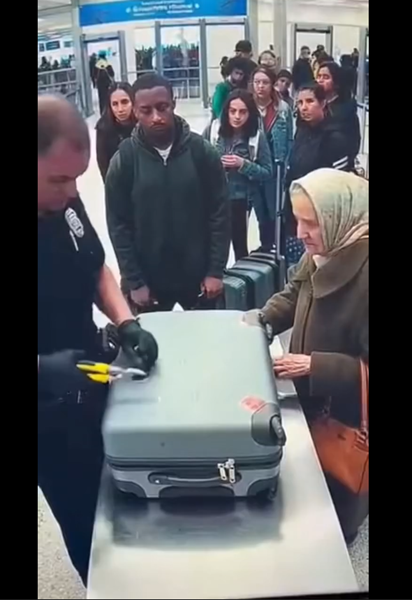
That morning, a family approached the screening area. At first glance, they appeared like any other group of travelers. An elderly woman led them, moving carefully but confidently, accompanied by two adults and a young child. She placed her suitcase on the conveyor belt while speaking quietly with her family. Their tone was calm, their behavior unremarkable, and nothing suggested any issues ahead.
As the suitcase passed through the scanner, the officer monitoring the screen noticed something unusual. The image displayed numerous small objects arranged in a structured and repetitive pattern. They appeared carefully organized, tightly packed, and individually wrapped. The arrangement itself was not immediately recognizable, but it was detailed enough to draw attention.
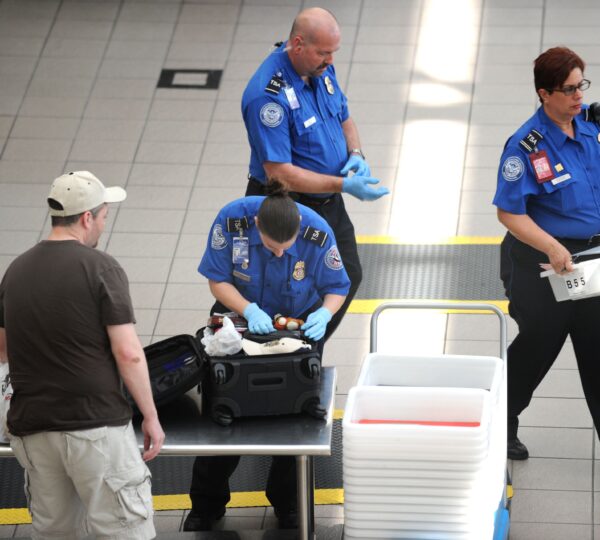
He called over a supervising officer to take a closer look. Both reviewed the screen in silence, evaluating the contents. At first, they considered ordinary explanations such as gifts, merchandise, or personal items. However, the precision and consistency of the shapes required a standard inspection to ensure nothing restricted or prohibited was being transported.
Following procedure, the family was politely asked to step aside for further examination. The elderly woman complied without hesitation, though she appeared slightly concerned. Her family remained close, quietly observing as security personnel prepared to open the suitcase. There was no resistance or urgency, only patience and quiet uncertainty.
When the suitcase was opened, the contents were revealed to be dozens of carefully wrapped small packages. Each item was individually prepared with colored ribbons and neatly folded paper. Attached to many of them were handwritten notes. The messages were brief but personal, often referencing memories or expressions of care. Some mentioned shared experiences, while others contained simple sentiments meant for the recipients.
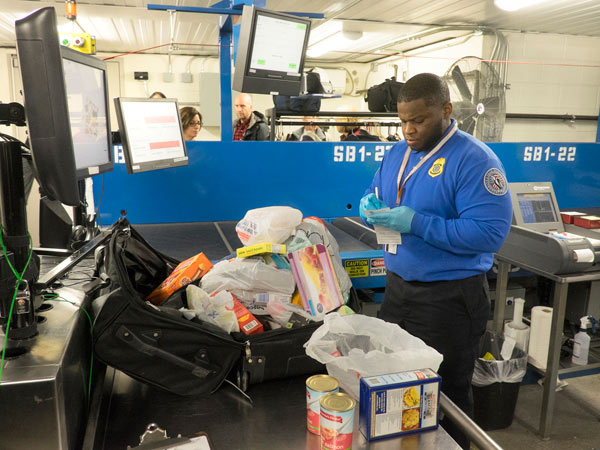
The officer carefully examined one of the packages. Inside was a finely detailed figurine of a child captured in motion, as if frozen during play. The craftsmanship was intricate, with attention given to posture, expression, and movement. The material initially appeared similar to ivory, which raised immediate concerns due to strict international regulations regarding the transport of such substances.
Noticing the officer’s hesitation, the elderly woman spoke calmly. She explained that the figures were not made of ivory but of resin, a material she used in her artwork. She clarified that she was a sculptor and had been creating similar pieces for many years. Each figurine represented a memory shared with her grandchildren, preserved in physical form as personal gifts.
She described how her artistic journey had evolved over time. Earlier in life, she had worked with heavier materials such as stone and clay. However, as she aged, she shifted to resin because it allowed greater precision while being easier to handle. Through this medium, she could still express detailed emotions and capture meaningful moments from family life.
According to her explanation, each sculpture represented a specific memory. One might reflect a day spent in a park, another a birthday celebration, and others simple everyday experiences that held emotional significance. Her intention was not commercial or decorative but deeply personal, focused entirely on preserving family memories for future reflection.
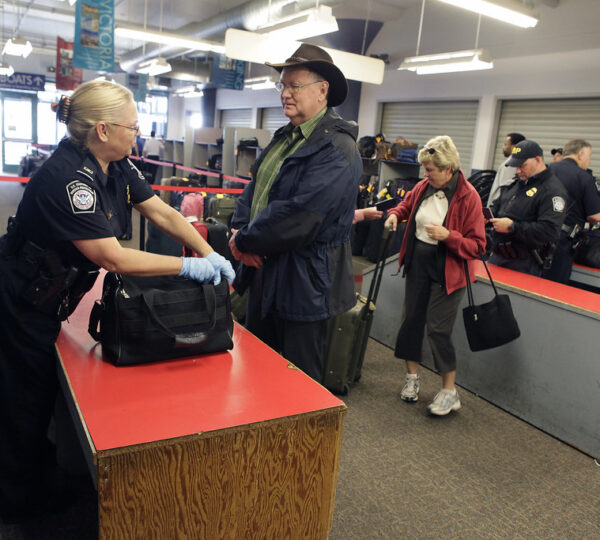
Security personnel remained professional and cautious throughout the conversation. While they listened attentively, they continued to follow standard protocols to confirm the nature of the material. A specialized inspection team was contacted to verify whether the objects posed any regulatory issues.
During this process, the surrounding environment gradually shifted in tone. What had begun as a routine security check became a moment of quiet attention. Nearby travelers slowed their movements slightly, observing the interaction with curiosity. The tension that usually accompanies security inspections was replaced by a more reflective atmosphere.
As they waited for confirmation, the elderly woman continued speaking softly about her work. She explained that each piece required time, patience, and emotional focus. She did not view them as objects but as preserved memories. For her, the process of sculpting was a way of maintaining connection with her family despite physical distance and changing circumstances.
She also shared that she created new figurines regularly, ensuring that each grandchild received a new piece representing a recent shared moment. In her view, these were not just gifts but symbolic reminders of experiences they had lived together.
Shortly afterward, the inspection team confirmed that the material was indeed resin and fully compliant with transportation regulations. There were no legal issues, and the items could proceed without restriction. The relief in the situation was subtle but noticeable.
The officers carefully returned each figurine to the suitcase, ensuring that everything was placed back as it had been arranged. The ribbons were retied, and the handwritten notes remained intact. The process was handled with care, reflecting an understanding of the emotional value the items held.
Before the family moved on, one of the officers acknowledged the situation respectfully. He explained that while the inspection was necessary, there was no concern regarding the legality or safety of the items. The elderly woman responded with understanding, expressing appreciation for the thoroughness of the process.
She also acknowledged that she understood why the inspection had been necessary. In environments such as airports, caution and procedure are essential. She expressed no frustration, only quiet acceptance and gratitude for how the situation had been handled.
As the family prepared to leave, the atmosphere in the security area felt noticeably different from earlier. What had begun as a routine checkpoint interaction had turned into a brief but meaningful moment of human connection. The presence of personal storytelling through handcrafted objects had created a pause in the usual pace of the terminal.
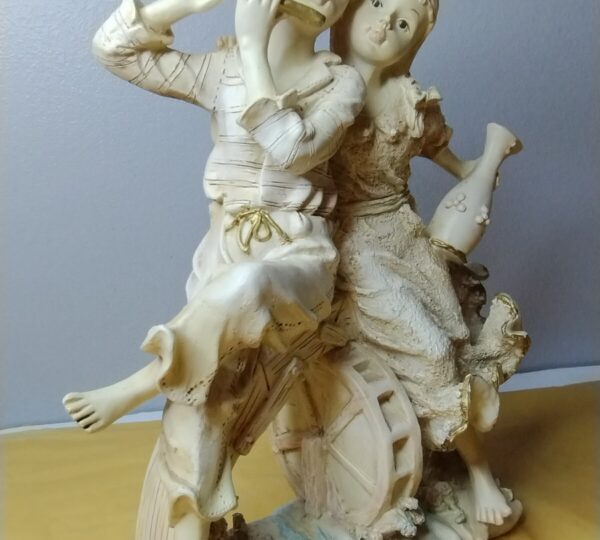
The officer who had first noticed the suitcase took a moment to observe one of the figurines again before returning it. The detail in the craftsmanship reflected significant skill and dedication. It was evident that each piece required time and care far beyond ordinary production.
As the family moved away, rejoining the flow of travelers, the airport gradually returned to its usual rhythm. People resumed their journeys, announcements continued, and the steady movement of passengers carried on without interruption.
However, for those who had witnessed the interaction, the moment left a subtle impression. It served as a reminder that behind every item, every passenger, and every routine procedure, there can be personal meaning that is not immediately visible.
In the end, the suitcase continued its journey safely, carrying not only carefully crafted objects but also the emotional weight of memories shared between generations.

