
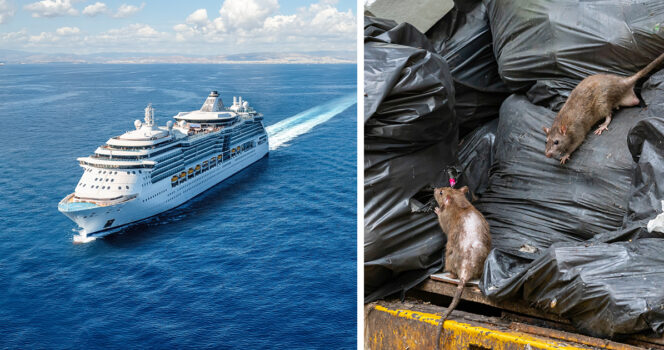
Hantavirus Outbreak on Cruise Ship Raises Global Health Concerns
A deadly hantavirus outbreak aboard a cruise ship crossing the Atlantic Ocean has sparked growing concern among health experts after multiple passengers became seriously ill and several died during the voyage. The situation has drawn international attention not only because of the deaths, but also because experts warn that additional cases could still emerge as the ship continues its journey.
The outbreak occurred aboard the MV Hondius, an expedition vessel operated by Oceanwide Expeditions. The ship departed from Ushuaia on April 2 carrying 147 passengers and crew members for an extended Atlantic voyage.
What initially appeared to be isolated illnesses soon escalated into a far more serious situation. Several passengers reportedly developed severe respiratory symptoms, including fever, breathing difficulties, headaches, and fatigue. According to international health authorities, the illnesses progressed rapidly in some individuals.
In early May, the World Health Organization confirmed that hantavirus had been identified among passengers on the vessel. The virus attracted additional public attention because it was also linked to the death of Betsy Arakawa Hackman earlier in 2025.
As of May 4, the WHO reported that seven total cases had been identified aboard the ship. Two cases were laboratory confirmed, while five others remained classified as suspected infections. Among those cases, three people had died, one person was critically ill, and three others were experiencing milder symptoms.
Health experts monitoring the situation say the outbreak is particularly concerning because of the isolated nature of a cruise ship and the difficulty of managing infectious illnesses in confined environments far from major medical facilities.
Hantavirus is a rare but potentially deadly disease typically associated with rodents. According to medical authorities, people usually become infected through contact with infected rodents or exposure to their urine, saliva, or droppings. In some cases, particles contaminated with the virus can become airborne and inhaled, even without direct contact with animals.
The virus can lead to two major illnesses: hantavirus pulmonary syndrome (HPS) and hemorrhagic fever with renal syndrome (HFRS). Both conditions are considered extremely serious and can become life-threatening without rapid medical treatment.
One of the most dangerous aspects of hantavirus pulmonary syndrome is how quickly symptoms can worsen. Early symptoms may resemble a common viral illness, including fever, muscle aches, fatigue, nausea, or headaches. However, severe respiratory complications can develop rapidly once the disease progresses.
Medical experts explain that patients suffering from advanced hantavirus pulmonary syndrome often require intensive care support because breathing problems can become critical within a short period of time.
The outbreak aboard the MV Hondius has created uncertainty and anxiety among passengers still on board. Travel influencer Jake Rosmarin, who has documented the situation online, shared emotional updates describing the stress and uncertainty facing those aboard the ship.
“We’re not just a story, we’re not just headlines. We’re people with families, with lives, with people waiting for us at home,” Rosmarin said in a social media video shared during the crisis.
He also described the emotional difficulty of not knowing whether additional passengers might become ill.
“There’s a lot of uncertainty and that’s the hardest part. All we want right now is to feel safe, to have clarity and to get home,” he explained.
The ship’s situation became even more complicated because it remained far from advanced medical infrastructure capable of treating severe respiratory illnesses. At least one critically ill passenger was transferred to medical care in South Africa, while additional evacuations were reportedly being arranged for symptomatic individuals.
Public health experts say the incubation period associated with hantavirus raises the possibility that additional infections could still appear among passengers or crew.
Larry Gostin, director of a WHO collaborating center focused on global health law, warned that the timeline of the virus makes the situation particularly concerning.
“It is a very dangerous situation for cruise ship passengers,” Gostin explained in comments reported by media outlets. “I would be worried because the incubation period for hantavirus can be up to a week.”
He added that the number of identified cases may not yet represent the full extent of the outbreak.
“It’s possible that more cases will arise,” he warned.
Gostin also emphasized that both major forms of hantavirus illness are considered extremely serious medical conditions.
“There’s no antiviral or so-called cure,” he explained, noting that treatment largely depends on supportive hospital care and rapid medical intervention.
In severe cases, patients often require oxygen support, intensive respiratory management, and close monitoring in critical care settings.
The outbreak has also raised questions about sanitation and possible exposure sources aboard the vessel. Although hantavirus is not typically spread easily from person to person, experts note that contaminated environments can still pose significant risks, particularly if rodent exposure occurs in enclosed areas.
Gostin stated that situations involving hantavirus ideally should not occur on properly maintained vessels with strong sanitation and hygiene controls.
Health authorities continue to investigate how exposure may have happened aboard the ship. Officials are also examining whether any limited person-to-person transmission could potentially be involved, although such transmission is considered extremely uncommon for most hantavirus strains.
The incident has generated broader concern because hantavirus remains relatively unfamiliar to many people despite its high fatality rate in severe cases. According to medical data, approximately 38% of patients who develop serious respiratory complications from hantavirus pulmonary syndrome do not survive.
Because symptoms can initially resemble common illnesses such as influenza or viral infections, early diagnosis can sometimes prove difficult. Experts stress the importance of rapid medical evaluation when respiratory symptoms worsen suddenly after potential rodent exposure.
As the MV Hondius continues navigating the Atlantic, passengers remain under close observation while international health authorities monitor developments carefully. The outbreak has become a stark reminder of how quickly infectious illnesses can escalate in isolated environments and how limited treatment options remain once severe hantavirus disease develops.
For many observers, the situation has also renewed discussions about infectious disease preparedness aboard cruise ships and expedition vessels operating far from immediate medical support.

