Aimee Lou Wood Turned Years of Bullying Into a Story of Confidence and Success
A Difficult Childhood Marked by Anxiety and Insecurity
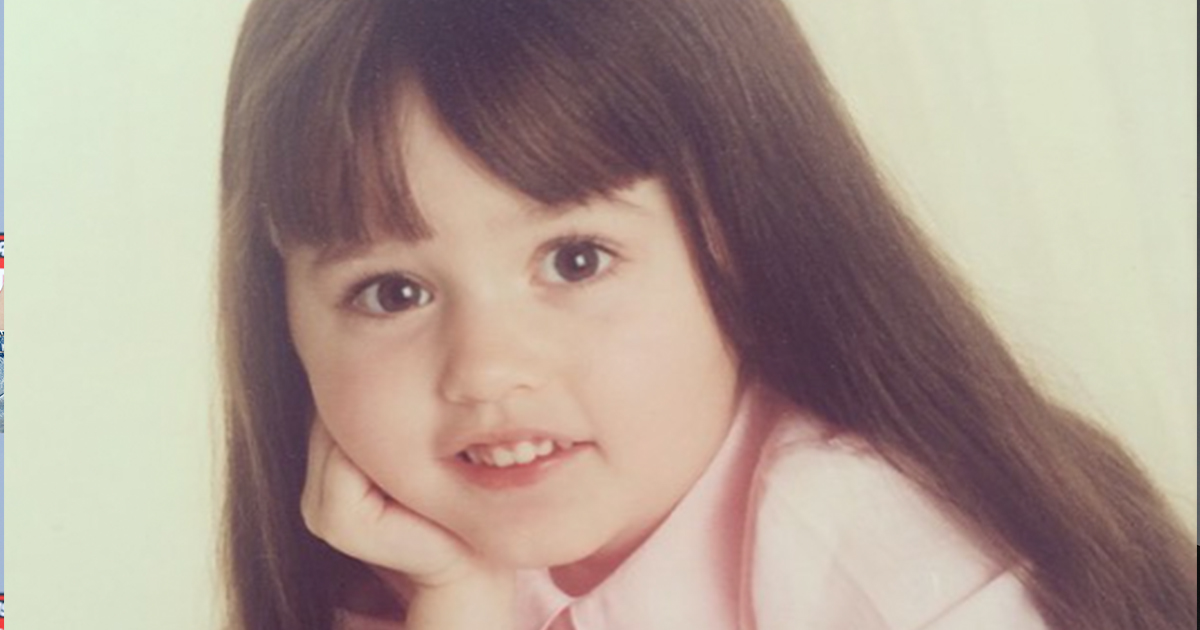
Long before becoming a familiar face on television screens, Aimee Lou Wood faced years of insecurity, isolation, and emotional struggles that shaped her early life.
Born on February 3, 1994, in Stockport, Greater Manchester, England, the actress grew up in an environment filled with instability and personal challenges.
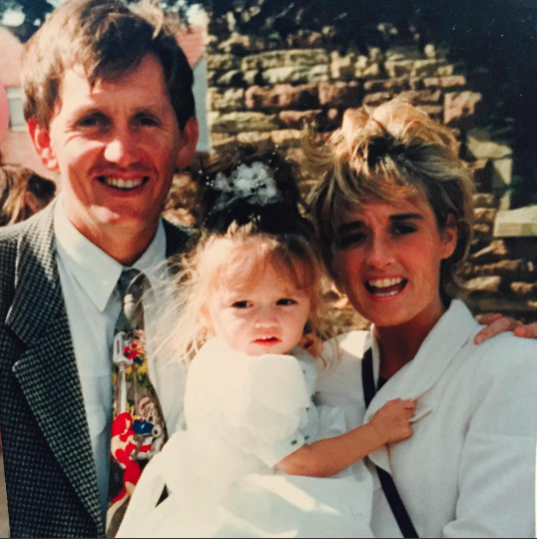
Her mother worked for ChildLine, while her father worked as a car dealer. Despite having supportive people around her, her childhood was deeply affected by family difficulties and emotional uncertainty.
Wood later spoke openly about how severe shyness and anxiety impacted her from a very young age.
“I was almost mute, very socially anxious. I couldn’t sit down and eat a meal. My mum had to leave food around the house and I’d have to snack around. Now I know it was neurodivergence,” she told The Sunday Times in 2025.
As she grew older, everyday situations continued feeling unusually difficult. Tasks that appeared simple for others often became overwhelming for her.
At the same time, she noticed she could handle things that seemed challenging for other people with surprising ease.
For years, she struggled to understand why her experiences felt so different.
A Diagnosis That Brought Clarity
Eventually, medical evaluation helped explain many of the difficulties she had experienced throughout childhood and adolescence.
Wood revealed that she had been diagnosed with ADHD along with autistic traits.
“I got diagnosed a few years ago with ADHD with autistic traits,” she told The Times. “But then it’s been advised that I should go for an autism assessment. They think that maybe it’s autism that’s leading the charge, and the ADHD is almost a by-product of the masking.”
The diagnosis offered a new perspective on behaviors and emotions that had shaped much of her early life.
It also helped explain the intense anxiety and social discomfort she experienced while growing up.
Understanding those challenges later in life gave her greater awareness of how deeply neurodivergence had affected her development and confidence.
Bullying Became Part of Her Everyday Life
During her school years, Wood’s parents separated, adding further instability to an already difficult period.
Her stepfather later enrolled her at Cheadle Hulme School, a private school where she hoped for a fresh start.
Instead, she experienced constant bullying that deeply affected her self-esteem and emotional well-being.
The bullying became so severe that she eventually avoided leaving her house for long periods of time.
“If you’ve been bullied as a kid, like I was at school, the feeling of being noticed wherever you go… it was not healthy for me,” she told The Guardian.
“When you’re in fight-or-flight mode, you can’t really differentiate. So I stayed at home for a long time. A long time.”
The emotional impact of those experiences followed her into adolescence and contributed to additional struggles with body image and eating disorders.
As classmates noticed her eating habits and physical appearance, concern around her health increased.
“They noticed I was tiny and didn’t eat. So they kept a watchful eye on me. I was weighed a few times. I knew deep down in my heart they were completely right, but it made me angry because it meant I had to change.”

A Personal Decision Changed Her Direction
Despite the emotional difficulties surrounding her, Wood eventually reached a turning point during her time at school.
Although bullying remained part of her daily life, she made a conscious decision not to let it completely define her future.
That moment arrived during a drama class while students were playing freeze tag.
She remembered a teacher encouraging her with a simple instruction: “Do it.”
Wood later described realizing she had reached an important crossroads in her life.
“And I remember thinking, I’m at a crossroads. I can either carry on how I am and be really miserable or I can get up and do a funny character that might make people laugh.”
The choice changed the way other students responded to her.
“It worked. It worked really well, maybe too well.”
Drama classes gradually became a space where she felt more comfortable expressing herself and finding confidence she had struggled to develop elsewhere.
Acting Opened the Door to a New Future
As her interest in performance grew, Wood pursued acting more seriously after finishing school.
She was accepted into the Royal Academy of Dramatic Art, widely known as RADA, where she trained professionally.
After graduating, she received a major career breakthrough when she joined the Netflix series Sex Education.
Wood played Aimee Gibbs, a role that quickly brought her recognition and popularity.
Before landing the role, however, she doubted whether she fit the image expected for television.
Much of that insecurity centered around her teeth, which had been a source of bullying earlier in life.
The original role she auditioned for was intended for a character who wore braces, something she felt might make her appearance more acceptable for television audiences.
“I went in three times to read for Lily and I thought she suited me because she was originally supposed to wear braces. I just thought, ‘It’s a Netflix show, I’m not going to get on there with my teeth.’ But they ended up calling me back for Aimee, and she just is me,” she told Stylist.
Appearance Became a Constant Topic of Discussion
As Wood’s career gained momentum, public conversations about her appearance followed closely behind.
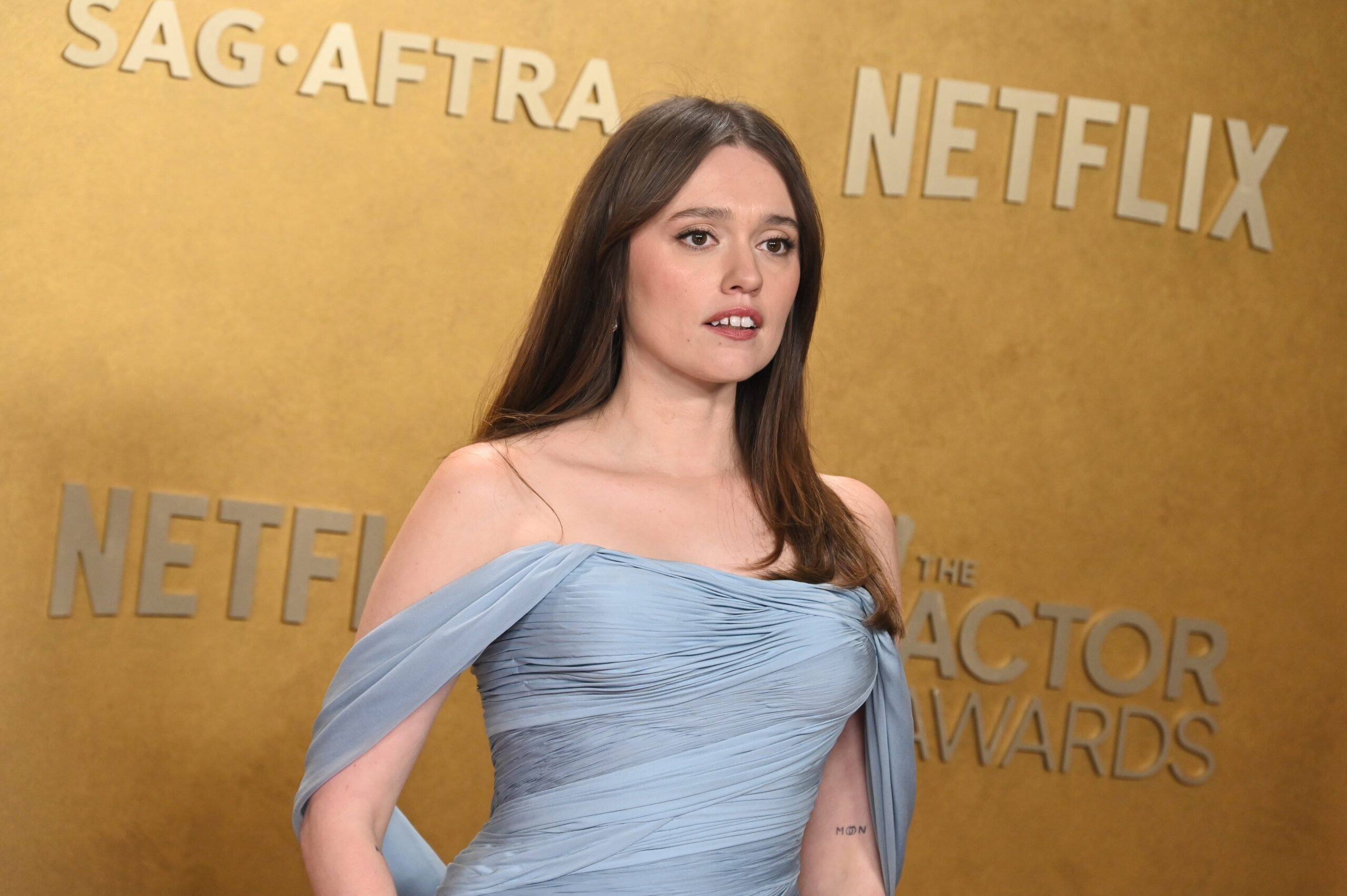
Her teeth, particularly the noticeable gap between her front teeth, became a frequent topic among fans and media discussions.
While many comments were presented positively, the constant attention sometimes left her feeling reduced to a single physical feature.
She later admitted that the ongoing focus made her feel as though something about her appearance remained “goofy” because it had never been “fixed.”
Hollywood has long promoted narrow beauty standards, with many performers facing pressure to alter their appearance through cosmetic procedures or surgery.
Wood chose a different path.
Rather than changing her appearance to fit industry expectations, she continued embracing the features that once made her a target for bullying.
Her refusal to hide or alter those traits gradually transformed her into a role model for many people who struggled with their own insecurities.

Success Did Not End the Scrutiny
Even as her acting career expanded, public attention surrounding her appearance continued.
Wood later earned a major role in White Lotus, further increasing her visibility in the entertainment industry.
At the same time, scrutiny over her teeth intensified.
The conversation eventually reached a new level when Saturday Night Live aired a sketch mocking her appearance.
The comedy segment exaggerated her accent and featured oversized teeth, drawing widespread attention.
Following backlash surrounding the skit, she eventually received an apology from members of the show’s team.
Despite moments like these, Wood consistently refused to allow criticism to define her confidence or identity.
She continued speaking openly about the pressure placed on women in entertainment and the way appearance often overshadows talent.
Wanting Recognition for Her Work
Although many supporters praised her individuality, Wood admitted the constant focus on her teeth could sometimes feel discouraging.
She explained that conversations about her appearance often overshadowed discussions about her acting career and creative work.
“It makes me really happy that it’s symbolizing rebellion and freedom, but there’s a limit. The whole conversation is just about my teeth, and it makes me a bit sad because I’m not getting to talk about my work.”
She also questioned whether the same level of attention would exist if she were a man.
“And, I have to go there… I don’t know if it was a man, but we would be talking about it this much? It’s still going on about a woman’s appearance.”
Her comments highlighted the continuing pressure female performers face regarding beauty standards and public image.
Despite years of discussion surrounding her looks, Wood remained focused on developing her acting career rather than trying to satisfy expectations about perfection.
Overcoming the Mental Barriers She Carried
In 2020, Wood reflected on the insecurities she once believed might prevent her from succeeding professionally.
She admitted she had spent years convincing herself that her appearance would limit her opportunities.
“No, I don’t. It’s completely in my head. It’s a myth I’ve told myself. I had it in my brain that I’m not conventional-looking enough and that’s a mental barrier I’ve had to overcome,” she told Stylist.
That realization marked another important stage in her personal growth.
Instead of allowing fear and insecurity to control her decisions, she gradually learned to separate her self-worth from unrealistic expectations.
Her success demonstrated that talent and authenticity could matter more than fitting traditional standards of perfection.
A Career Built on Authenticity and Resilience
Wood’s journey from a shy and bullied child to a successful actress became a story many people found deeply relatable.
Her openness about anxiety, neurodivergence, eating disorders, and insecurity resonated with audiences who saw parts of themselves reflected in her experiences.
Rather than hiding the qualities that once caused embarrassment, she embraced them publicly.
That decision helped challenge long-standing ideas about beauty and success within the entertainment industry.
Her rise also showed that individuality does not need to be erased in order to achieve recognition.
What once made her feel different eventually became part of what made audiences connect with her so strongly.
Wood’s career continues to grow, but many people view her resilience as equally important as her acting talent.
Her story stands as a reminder that confidence is not always about becoming someone new. Sometimes it comes from learning to stop apologizing for who you already are.
