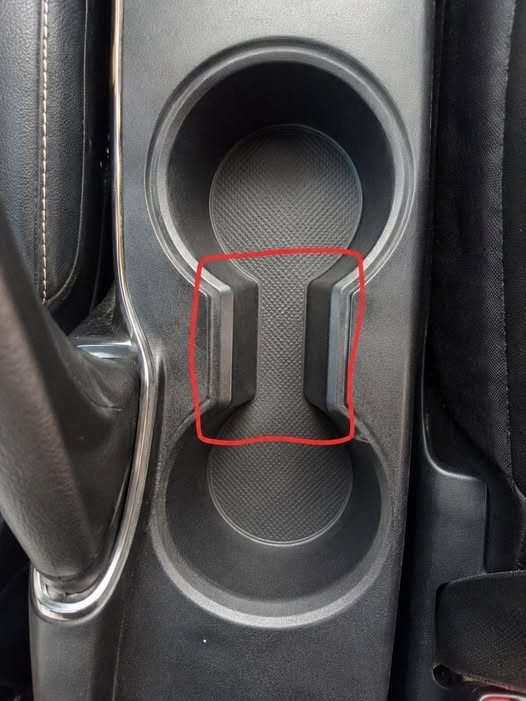
The Hidden Function of the Gap Between Car Cup Holders
An Overlooked Detail in Everyday Driving
Most drivers interact with their car’s cup holders every single day without giving much attention to how they are designed. They are used automatically for coffee cups, water bottles, and small beverages during commutes, errands, and long trips. Because of this constant familiarity, the surrounding design details often go completely unnoticed.
One of the most commonly overlooked features is the narrow gap or divider located between cup holders in many vehicles. At first glance, it appears to be nothing more than a structural element of the center console or an empty space shaped by interior molding. For many drivers, it blends into the background of the car’s interior without raising any curiosity.
However, this small design element often serves a practical and intentional purpose. While it may look insignificant, it can contribute to keeping everyday items more stable and organized during travel. Its usefulness becomes especially noticeable in situations where drivers carry multiple items inside the vehicle at once.
A Simple Design That Solves a Common Problem
Driving often involves transporting more than just passengers. Groceries, beverages, takeout meals, and personal belongings frequently share space inside the car. Without proper support, these items can easily shift during movement, leading to inconvenience and mess.
Sudden braking, sharp turns, and uneven road surfaces can cause lightweight items to tip over or slide across seats. Drinks can spill, food containers can open, and shopping bags can fall onto the floor. These small disruptions are common frustrations experienced in everyday driving situations.
The cup holder divider offers a simple way to reduce these issues. In many vehicles, the narrow space between cup holders can be used to secure the handles of lightweight bags. By placing or looping bag handles around this divider, the bag gains additional stability while the vehicle is in motion.
This creates a more controlled position for the bag, helping it remain upright rather than shifting freely across the seat or console area. It is a straightforward use of an existing structure that can improve convenience without requiring any additional accessories or modifications.
How the Design Supports Stability
The effectiveness of this feature is based on basic principles of balance and movement. Inside a moving vehicle, objects that are not secured tend to respond to acceleration, braking, and turning forces. This is why items placed loosely on seats or floors are more likely to slide or tip over.
When a lightweight bag is left unrestrained, it moves independently of the vehicle’s structure. However, when its handles are positioned around a fixed divider, the bag becomes partially anchored. This reduces unnecessary motion and helps maintain a more stable position throughout the drive.
The divider acts as a simple anchor point, limiting how far the bag can shift. While it does not lock the item in place completely, it adds enough resistance to prevent minor movement from turning into spills or collapses. This makes it especially useful during everyday driving conditions where frequent stops and turns are unavoidable.
Practical Everyday Uses Inside the Car
This small design feature becomes particularly helpful in routine situations involving everyday items. Grocery bags, for example, often contain mixed contents that can shift easily if not supported properly. When placed loosely on a seat, they may tilt or slide, causing items to fall or roll out.
Takeout meals present a similar challenge. Containers filled with food or drinks need to remain upright to avoid leaks or spills. Even a short drive home can become inconvenient if the contents shift during transit. Using the cup holder divider to stabilize bag handles can help reduce these risks.
Personal items such as small purses, snack bags, or lightweight shopping bags can also benefit from this added support. Instead of sliding onto the floor or becoming wedged under seats, they remain more secure and accessible within the center area of the car.
Although the feature is not designed for heavy loads, it can make a noticeable difference when managing everyday lightweight items that would otherwise move freely during travel.
Why the Feature Often Goes Unnoticed
One of the reasons this design element is rarely recognized is its integration into the overall interior layout of the vehicle. Car manufacturers typically focus attention on larger, more visible features such as infotainment systems, safety technologies, seating comfort, and performance systems.
Smaller structural details are often designed to blend seamlessly into the interior aesthetic. As a result, drivers tend to overlook them because they do not stand out visually or require active interaction during normal use.
The cup holder divider is a clear example of this subtle design approach. It is present in plain sight but rarely explained or highlighted. Most drivers simply adapt to using the cup holders for beverages without considering any additional functionality that may exist within the same space.
This lack of awareness means that useful design features can remain undiscovered for years, even when they are used daily in indirect ways.
The Role of Practical Automotive Design
Modern vehicle interiors are shaped by a combination of functionality, space efficiency, and user convenience. Designers aim to make the most of limited cabin space while ensuring that essential features remain accessible and easy to use.
Small components such as dividers, compartments, and molded edges are often included to serve multiple subtle purposes. While their primary function may relate to structural support or spacing, they can also provide secondary benefits that enhance everyday usability.
The cup holder divider reflects this design philosophy. It does not rely on complex mechanisms or technology, yet it contributes to improved organization inside the vehicle. Its value lies in simplicity, offering a solution to a common problem without requiring any additional effort from the driver.
Such features demonstrate how thoughtful design can improve daily experiences in quiet, almost invisible ways. Even minor adjustments in interior structure can influence how comfortably and efficiently drivers manage their belongings while on the road.
Limitations of the Feature
Although useful, the cup holder divider is not designed to secure heavy or oversized items. Its structure is intended for lightweight bags and small everyday objects rather than substantial loads.
Using it beyond its intended capacity may reduce its effectiveness and could still allow items to shift during movement. It works best as a stabilizing aid rather than a full securing system.
Additionally, not all vehicles feature the same type of cup holder design. Some models include removable inserts, deeper cup compartments, or alternative center console layouts that may not include a clearly defined divider. As a result, its availability and usefulness can vary depending on the vehicle’s interior configuration.
Despite these differences, many cars still incorporate some form of separation or gap that can serve a similar stabilizing purpose when used correctly with lightweight items.
A Small Detail With a Larger Impact
Features like the cup holder divider highlight how small design choices can influence everyday convenience in subtle but meaningful ways. While they may not stand out or receive attention during vehicle discussions, they often contribute to smoother and more organized driving experiences.
Drivers frequently discover such features only after years of use, often by accident or through simple observation. Once noticed, these small details tend to become part of regular habits because of their practicality.
The presence of such a feature reflects a broader principle in design: usefulness does not always depend on complexity. Even a simple gap in a molded console can provide real-world benefits when used creatively and consistently.
Everyday Function Hidden in Plain Sight
What appears to be an ordinary structural space between cup holders often serves a purpose that goes beyond aesthetics. It can help reduce movement of lightweight items, minimize spills, and improve organization within the vehicle interior.
This quiet functionality demonstrates how thoughtful engineering can remain unnoticed while still offering value. Many drivers interact with it regularly without realizing its potential role in improving daily travel convenience.
In the end, the cup holder divider stands as an example of how small, often overlooked elements in car design can make everyday routines slightly easier, more stable, and more efficient without drawing attention to themselves.
