
The Remarkable Life of Freddie Mercury: From Childhood Struggles to Global Rock Legend
A Legacy Defined by Music, Not Wealth
At the time of his death, Freddie Mercury was widely regarded as one of the greatest artists to ever perform on stage. With an estimated fortune of $30–50 million, he had achieved extraordinary financial success.
Yet his legacy was never defined by money. Instead, it was shaped by a powerful journey marked by struggle, creativity, and a voice that moved millions across the world.
His life story remains one of transformation — from an insecure child shaped by displacement to an iconic performer who helped redefine rock music.
Early Life and Childhood Separation
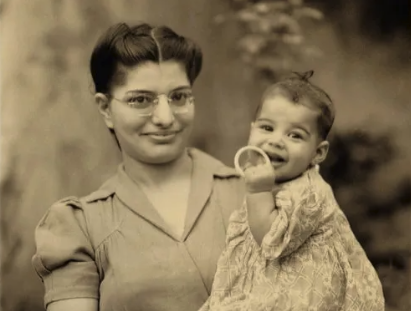
Born in Africa in 1946, Mercury came from a stable family background, though not one of significant wealth by Western standards.
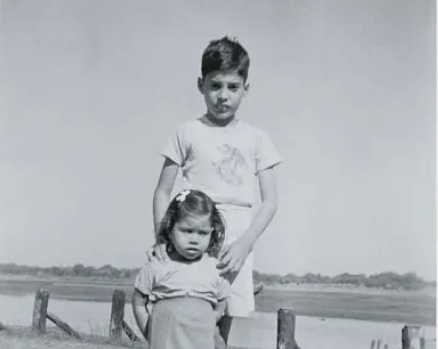
His father worked for the British Colonial Office, and much of his early childhood was spent away from his immediate family after he was sent to a British-style boarding school in Bombay at the age of eight.
This early separation had a lasting emotional impact, creating feelings of loneliness and rejection during his formative years.
Despite these challenges, he adapted to his environment and learned to rely on himself at a young age.
Life at Boarding School
School life in the 1950s was strict and often difficult. The environment demanded discipline and independence from its students.
Mercury later reflected on his experience, acknowledging the emotional strain of being away from his family while trying to adjust to a rigid system.
He described the experience as one that forced him to grow up quickly and become self-reliant.
Like many students in similar institutions, he also faced bullying and social isolation during his school years.
Early Signs of Talent and Personality
Despite the challenges, Mercury showed early signs of artistic talent and determination.
He was drawn to music and art, often finding comfort in playing piano and engaging in creative activities.
He also participated in sports such as hockey, athletics, and boxing, showing both competitiveness and resilience.
In boxing, he was known for his refusal to give up, even when facing intense physical pressure.
Classmates recalled moments where he continued fighting despite sustaining injuries, demonstrating remarkable tenacity.
Academic Path and Personal Development
Mercury’s academic performance remained strong during his early years, but changes in behavior and focus reportedly emerged during adolescence.
He later pursued higher education in graphic art and design at Ealing Art College, completing his diploma in 1969.
During this period, he developed a deeper connection to music, refining skills that he had begun learning as a child.
His artistic interests expanded, laying the foundation for his future career in performance and visual creativity.
Early Work and Struggles in London
Before achieving fame, Mercury took on various jobs to support himself while pursuing music.
He worked in retail selling second-hand clothing and also held a position as a baggage handler at Heathrow Airport.
Despite financial uncertainty, he remained focused on music and spent much of his time practicing and performing.
Friends described him as quiet and reserved in everyday life, yet deeply passionate about artistic expression.
Family Concerns and Early Resistance
His decision to pursue a career in music was not immediately supported by his family.
They reportedly struggled to understand his artistic direction and unconventional lifestyle choices at the time.
However, his commitment to music never wavered, even in the face of early criticism and concern from those closest to him.
He continued performing with local bands while refining his stage identity and vocal style.
The Formation of Queen
Mercury’s path eventually led him to the band Smile, featuring guitarist Brian May and drummer Roger Taylor.
His strong personality and creative vision quickly made an impact on the group as he pushed for a more ambitious artistic direction.
When the band’s original vocalist left in 1970, Mercury stepped into the role that would define his career.
With bassist John Deacon joining soon after, the band was renamed Queen — a bold and theatrical choice that reflected Mercury’s vision.
He later explained that the name was intended to provoke curiosity and challenge expectations.

The Rise of Freddie Mercury
From that moment forward, he adopted the name Freddie Mercury and fully embraced his stage persona.
Although shy in private life, he transformed completely when performing in front of audiences.
His presence on stage became one of the most iconic in rock history, combining vocal power with dramatic performance style.
Queen’s music quickly gained international recognition, producing numerous timeless songs that defined an era.
Musical Success and Global Impact
Mercury became the voice behind some of the most famous songs in rock history, including major global hits that continue to be celebrated today.
His performances, particularly during large-scale concerts, showcased his ability to command massive audiences with ease.
One of the most notable examples was the Live Aid performance in 1985, where his stage presence captivated tens of thousands of people.
Beyond Queen, he also explored solo projects and collaborated with other musicians, expanding his artistic influence.
Health Challenges and Final Years
In 1987, Mercury was diagnosed with AIDS, a condition that would ultimately lead to his death.
Despite his diagnosis, he continued working and remained active in music for as long as his health allowed.
His final years were marked by both creative dedication and increasing physical difficulty.
He passed away in 1991 at the age of 45 due to complications related to the illness.
Tribute and Legacy
Following his death, a major tribute concert was held in his honor at Wembley Stadium in 1992.
The event raised awareness and support for AIDS research while celebrating his extraordinary contribution to music.
His work continued to influence generations of artists and fans long after his passing.
He also appeared posthumously on Queen’s final studio album, ensuring his voice remained part of the band’s legacy.
Estate and Final Arrangements
At the time of his death, Mercury’s estate included significant assets such as property, artwork, and ongoing royalties from Queen’s music catalog.
The majority of his estate was left to Mary Austin, his close friend and former fiancée, with the remainder going to his family.
His financial success reflected the global reach of his career, but it is his artistic legacy that remains most enduring.
A Life Remembered Through Music
Freddie Mercury’s story is one of resilience, transformation, and artistic brilliance.
From a childhood marked by separation and discipline to global fame as the frontman of Queen, his journey reshaped modern rock music.
His ability to turn personal experience into powerful performance continues to inspire audiences worldwide.
Though his life ended at a young age, his influence remains deeply embedded in music history.
Freddie Mercury is remembered not for what he had, but for what he gave to the world through his voice, creativity, and unforgettable stage presence.
