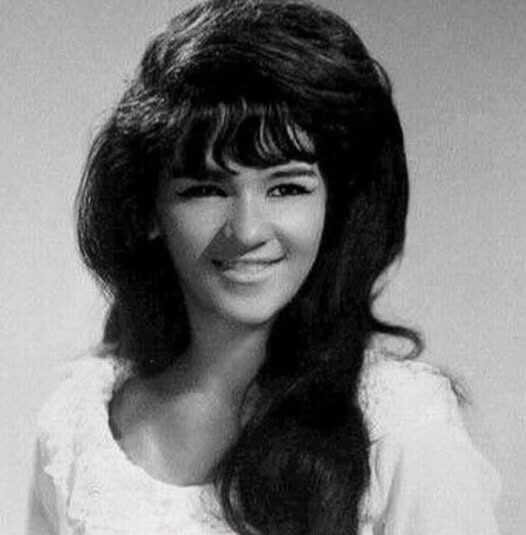
Nedra Talley-Ross Remembered for Her Lasting Role in The Ronettes’ Legendary Sound
A Beloved Member of a Historic Group Is Mourned
Music fans around the world are reflecting on the life and legacy of Nedra Talley-Ross, whose contributions to The Ronettes helped create some of the most enduring songs of the 1960s.
News of her death prompted an outpouring of tributes from longtime listeners who remembered both her musical talent and the quiet grace she brought to one of the most influential vocal groups of her generation.
While many details surrounding her passing remained private, the reaction from fans demonstrated the lasting impact she had on popular music. For countless listeners, memories of her career quickly led back to the timeless recordings that made The Ronettes a defining force in American music.
As tributes spread, many revisited classic songs such as “Be My Baby,” reflecting on the voices that helped create a sound that continues to resonate decades after it first emerged.
Early Beginnings in Spanish Harlem
Nedra Talley-Ross grew up in Spanish Harlem and entered the music world at a young age alongside her cousins Ronnie Spector and Estelle Bennett.
Together, the three young women formed The Ronettes, a group that would go on to become one of the most recognizable acts of the 1960s.
Their blend of pop, rock, and rhythm and blues captured the energy of a changing musical era. Audiences responded to their distinctive style, dramatic performances, and emotionally charged songs.
At a time when popular music was rapidly evolving, The Ronettes established themselves as artists capable of delivering both memorable melodies and powerful emotional performances.
The group’s success transformed them from ambitious young performers into internationally recognized recording artists whose influence would extend far beyond their original era.
The Voice Behind the Harmonies
Although Ronnie Spector became known as the unmistakable lead voice of the group, The Ronettes’ success depended upon the contributions of all three members.
Nedra Talley-Ross played an essential role in shaping the group’s signature sound through her harmonies and stage presence.
Her voice added depth and balance to recordings that would become some of the most celebrated songs in popular music history.
While her role often received less public attention than the lead vocals, her contributions were woven throughout the music that audiences came to love.
The emotional richness of The Ronettes’ recordings relied on the combination of voices working together. Nedra’s harmonies helped create the fullness and warmth that became a hallmark of the group’s identity.
For fans revisiting the music following her death, those contributions remain unmistakable and enduring.
The Ronettes and a Defining Musical Era
The Ronettes emerged during a period when music was undergoing significant transformation. Their songs reflected youthful emotion, romance, confidence, and excitement, capturing the spirit of the decade.
The group quickly became associated with some of the most memorable recordings of the era.
Their performances stood out because they combined powerful vocals with a dramatic musical style that felt both intimate and larger than life.
Listeners connected with the emotional intensity of their recordings, helping establish The Ronettes as one of the defining groups of the 1960s.
As the years passed, their songs remained popular across generations, continuing to attract new audiences while maintaining a devoted fan base among those who first heard them during their original release period.
Nedra Talley-Ross remained an important part of that success story, contributing to music that would become part of popular culture’s lasting memory.
Helping Shape the “Wall of Sound”
The Ronettes became closely linked with Phil Spector’s famous “Wall of Sound,” a production style recognized for its layered, dramatic, and expansive musical approach.
This recording technique combined multiple instrumental and vocal elements to create a rich and powerful listening experience.
Within that framework, every voice played an important role.
Nedra’s harmonies became a key component of the overall sound, helping to create the depth and emotional resonance that distinguished the group’s recordings.
Rather than existing solely in the background, her voice contributed to the larger musical architecture that made the songs feel complete.
Her work helped transform recordings into experiences that felt grand, cinematic, and emotionally compelling.
Because of that contribution, her place within music history extends beyond individual performances and into the very structure of some of the era’s most celebrated recordings.
A Career Built on Family and Collaboration
The story of The Ronettes was rooted in family connections and shared ambition.
Nedra, Ronnie, and Estelle built their careers together, creating a musical partnership that became one of the most recognizable vocal groups of their time.
Their chemistry played a major role in the group’s success.
Each member contributed something unique to the overall performance, creating a blend that audiences found distinctive and memorable.
While public attention often focused on the lead singer, the strength of the group came from the way all three voices worked together.
Nedra’s role reflected the importance of collaboration in music. Her contributions helped strengthen the foundation upon which the group’s most successful recordings were built.
That collaborative spirit remained one of the defining features of The Ronettes’ enduring appeal.
Choosing a Life Away From Fame
Following her years in the spotlight, Nedra Talley-Ross made a choice that differed from the path taken by many entertainers.
Rather than pursuing continued celebrity, she embraced a quieter life focused on personal priorities.
She eventually settled in Virginia, where she dedicated herself to family, faith, and a more private existence.
Her decision reflected a desire to step away from public attention while allowing her musical achievements to stand on their own.
For many fans, this choice became an important part of her story.
Although she had contributed to internationally recognized music, she did not spend her later years seeking the spotlight that had once surrounded her career.
Instead, she focused on a life defined by personal values and privacy.
That decision added a unique dimension to her legacy and distinguished her journey from many of her contemporaries.
Recognition Through the Rock and Roll Hall of Fame
The importance of The Ronettes’ contributions to music received formal recognition in 2007 when the group was inducted into the Rock and Roll Hall of Fame.
The honor acknowledged the lasting influence the trio had on popular music and confirmed their place among the most significant performers of their era.
For fans, the induction reflected what had already been evident for decades.
The group’s recordings had continued to inspire listeners long after their original release, demonstrating an enduring cultural impact.
Nedra Talley-Ross shared in that recognition as an essential member of the group.
Her voice and contributions remained part of the legacy that earned The Ronettes a permanent place in music history.
The Hall of Fame honor served as a reminder that enduring artistic success often results from the combined efforts of multiple talented individuals working together.
The Privacy Surrounding Her Passing
The news of Nedra Talley-Ross’s death generated significant attention among fans and music enthusiasts.
Part of the public response stemmed from the fact that no cause of death was disclosed.
In an era where details about public figures often become immediately available, the lack of public explanation left many admirers reflecting on her life rather than focusing on specific circumstances.
For some, the absence of detailed information felt consistent with the way she had chosen to live after leaving the spotlight.
Her later years had been marked by privacy, and that sense of personal discretion remained present even after her passing.
Many fans respected that choice and instead focused their attention on celebrating her contributions to music.
The songs she helped create continued to serve as the clearest expression of her legacy.
The Lasting Importance of Her Musical Contributions
The Ronettes’ recordings remain beloved because they capture emotions that continue to resonate with listeners across generations.
The music retains its sense of energy, romance, and emotional honesty, allowing it to remain relevant decades after its creation.
Nedra Talley-Ross played an important role in achieving that lasting appeal.
Her harmonies contributed to the emotional texture of the recordings and helped create the rich sound that distinguished the group from many of their contemporaries.
Her work serves as a reminder that some of the most influential contributions in music are not always the most visible.
Background harmonies and supporting performances often provide the structure that allows a song to achieve its full emotional impact.
In the case of The Ronettes, every voice contributed to the group’s identity, and Nedra’s voice remained an essential part of that formula.
A Legacy Preserved Through Timeless Songs
Following her death, many tributes emphasized both her artistic achievements and the personal qualities that defined her life.
She was remembered as a performer whose work spoke for itself and whose influence extended far beyond her years in the spotlight.
Her story illustrates how lasting cultural impact is often created by artists who devote themselves to their craft rather than to constant public attention.
The music she helped create continues to connect with listeners because it captures universal emotions and experiences.
Each new generation that discovers The Ronettes also discovers the voices behind the recordings, including the contributions of Nedra Talley-Ross.
Her legacy remains alive in the songs that continue to inspire, comfort, and entertain audiences around the world.
Remembering a Quiet but Essential Presence
Nedra Talley-Ross’s journey carried her from Spanish Harlem to the heights of music history and eventually to a life centered on family, faith, and privacy.
As a member of The Ronettes alongside Ronnie Spector and Estelle Bennett, she helped create a sound that became one of the defining musical signatures of the 1960s.
Her harmonies contributed to recordings that remain beloved decades later, and her role in shaping those songs continues to be recognized by listeners and music historians alike.
The group’s induction into the Rock and Roll Hall of Fame in 2007 further confirmed the lasting significance of their work.
Although details surrounding her death were not publicly disclosed, the impact of her life and career remains unmistakable.
Nedra Talley-Ross leaves behind a legacy built on harmony, talent, and dedication to music.
Her voice remains part of songs that continue to move audiences, ensuring that her contribution to one of popular music’s most memorable groups will not be forgotten.
