Everyday Objects With Hidden Functions Most People Never Notice
Common Designs Often Have Uncommon Purposes
Most people interact with dozens of everyday objects without giving much thought to the small details built into them. A tiny hole, an unusual groove, an extra pocket, or a strange fold can seem insignificant at first glance.
However, many of these features were created for practical reasons. Some improve safety, others increase convenience, and many solve problems that people may never realize existed.
From kitchen tools and clothing to vehicles and beverage containers, ordinary products often include thoughtful design elements that quietly serve important functions. Once those purposes become known, familiar objects can suddenly appear much more interesting.
These hidden features demonstrate how product design often combines simplicity and practicality in ways that are easy to overlook.

The Safety Purpose Behind Pen Cap Holes
A small hole found at the top of many pen caps is one of the most overlooked design details in everyday life.
At first glance, the opening appears decorative or unnecessary. In reality, it was introduced as a safety feature.
Pen caps can become choking hazards if accidentally swallowed, particularly by children. The small hole is designed to allow limited airflow if a cap becomes lodged in a person’s throat.
Although the feature does not eliminate the danger, it may help reduce the risk of complete airway obstruction during an emergency.
This simple addition illustrates how even the smallest design changes can address serious safety concerns.
The Unexpected Use of a Soda Can Tab
Most people view the tab on a soda can as nothing more than the mechanism used to open the drink.
However, the opening in the tab can serve an additional purpose after the can has been opened.
By rotating the tab so that its hole aligns with the can opening, a drinking straw can be inserted through the hole. This helps keep the straw in place while drinking.
The feature provides a simple way to prevent the straw from shifting or floating out of position.
It is a small convenience that many people never discover despite using beverage cans regularly.

The Dashboard Arrow That Saves Time
Drivers often pay attention to fuel levels without noticing a tiny arrow located beside the gas pump symbol on the dashboard.
This arrow serves a very practical purpose by indicating which side of the vehicle contains the fuel door.
The feature becomes particularly useful when driving an unfamiliar vehicle, such as a rental car or a borrowed automobile.
Instead of guessing at a gas station, drivers can simply glance at the instrument panel and immediately know which side to position next to the pump.
Once noticed, it becomes one of the most useful hidden details inside a vehicle.
Why Paper Margins Became Standard
Margins are commonly associated with organization, readability, and note-taking. Most people view them as a formatting feature used in schools, offices, and personal writing.
Historically, however, margins also served a protective purpose.
In earlier times, rodents frequently damaged stored paper documents. When mice or rats chewed along the edges of pages, important information could be lost.
Leaving a blank space around the edge helped protect written content by creating a buffer between the writing and the outer edge of the paper.
Although modern uses focus more on organization and editing, the original purpose highlights a practical solution to a common problem.

The Reason Bottles Have Long Necks
The shape of many glass beverage bottles is often viewed as a stylistic choice.
Yet the narrow neck offers several practical advantages.
It provides a convenient grip that allows people to hold the bottle without placing their entire hand around the main body.
This reduces the amount of heat transferred from the hand to the beverage inside.
For cold drinks, maintaining a lower temperature can improve the drinking experience.
The design also makes pouring and handling easier, combining comfort and functionality in a single feature.
The Hidden Utility of Pot Handle Openings
Many pots and pans include a hole at the end of the handle. Most people assume it exists only so cookware can be hung on hooks for storage.
While hanging is one purpose, the opening can also function as a spoon holder.
During cooking, a stirring spoon can be placed through the hole and allowed to rest above the pot.
This helps keep countertops cleaner by preventing sauces and liquids from dripping onto surrounding surfaces.
It also keeps the utensil within easy reach whenever it is needed again.
The feature combines convenience and cleanliness without requiring any additional accessories.

The Original Purpose of the Tiny Jeans Pocket
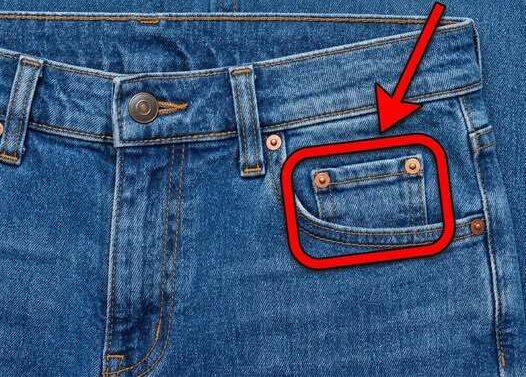
Most pairs of jeans include a small pocket located inside one of the front pockets.
Modern users often find it too small for phones, wallets, or other everyday items and may wonder why it still exists.
The answer lies in the history of pocket watches.
The small compartment was originally designed to hold a pocket watch securely, protecting it while allowing easy access.
Although pocket watches are far less common today, the design remained as jeans evolved over time.
Many people now use the pocket for coins, keys, or other small items, but its origins remain tied to an earlier era.
The Measurement Lines on Red Plastic Cups
Red plastic cups often feature subtle horizontal ridges around their exterior.
Most users assume these lines exist solely to strengthen the cup’s structure.
However, the markings can also function as rough measurement guides.
Different ridges may correspond to different liquid levels, providing approximate serving measurements.
This gives the simple cup an additional function beyond holding beverages.
Even people who never use the lines for measuring often find the hidden purpose surprising.
The Multi-Purpose Hole in a Pasta Ladle
Pasta ladles frequently contain a hole in the center of the spoon-like portion.
Most cooks recognize that the opening helps drain water from cooked pasta.
Less commonly known is its use as a portion guide.
Dry spaghetti can be placed through the hole to estimate a single serving size before cooking begins.
This transforms the utensil into both a cooking tool and a measuring device.
The design illustrates how one simple feature can perform multiple functions at different stages of meal preparation.
Why Cedar Wooden Hangers Are Valuable
Wooden hangers are often appreciated for their appearance and durability.
Some varieties, particularly those made from cedar, provide an additional benefit.
Cedar contains properties that can help discourage pests such as moths from damaging stored clothing.
This makes cedar hangers particularly useful for coats, suits, and garments kept in closets for extended periods.
In addition to supporting clothing, the hangers contribute to protecting it.
Their value extends beyond simple storage and organization.
The Small Drainage Hole in a Padlock
Outdoor padlocks often contain a tiny opening near the locking mechanism.
Although easy to overlook, this feature plays an important role in maintaining the lock’s functionality.
The opening allows water to drain out when the lock is exposed to rain, humidity, or other moisture.
Without proper drainage, water could accumulate inside and contribute to corrosion or mechanical problems.
The hole also provides access for lubrication when maintenance is required.
Its small size hides a purpose that can significantly extend the life of the lock.
Fast-Food Ketchup Containers That Expand
Many disposable ketchup containers used in restaurants have folded, ribbed sides.
At first glance, the shape appears to be purely structural.
In reality, the folds allow the container to expand.
By gently pulling outward on the sides, the container becomes wider and capable of holding more sauce.
The larger opening also creates a more convenient dipping surface for fries and other foods.
Many customers never realize that the container is designed to change shape after being opened.
The Purpose of Extra Fabric Swatches
New clothing often includes spare buttons and a small piece of matching fabric attached to the garment.
Many people assume the fabric exists only to patch holes or repair damage.
While repairs are possible, the swatch also serves as a testing sample.
Owners can use it to test stain removers, detergents, bleach, or cleaning products before applying them to the actual garment.
This helps identify potential discoloration or fabric reactions without risking damage to the clothing itself.
The small piece of fabric acts as a protective tool for garment care.
The Dual Function of Takeout Containers
Folded takeout containers are designed to transport meals securely while minimizing spills.
However, their usefulness does not end after the food reaches its destination.
Many of these containers can be unfolded into a flat surface resembling a plate.
This allows the meal to be eaten directly from the packaging without transferring it to separate dishes.
The design combines transportation and serving functionality in a single container.
It is a practical solution that reduces cleanup and improves convenience.
Car Headrests and Emergency Situations
Vehicle headrests are primarily intended to support passengers and improve safety during collisions.
Many modern headrests can also be removed from the seat.
The metal rods attached to the headrest may provide assistance during emergencies.
In situations where someone must escape a vehicle quickly, the rods can potentially be used to help break a side window.
Although this function is rarely needed, it demonstrates how safety considerations influence automotive design.
A component most people rarely think about can become important under extraordinary circumstances.
Why These Small Features Matter
The hidden functions found in everyday objects reveal how much thought often goes into product design.
What appears to be a random hole, fold, line, pocket, or groove frequently exists to solve a specific problem.
Some features focus on safety, helping reduce risks during emergencies. Others improve convenience, organization, cleanliness, or durability.
Because people use these objects so frequently, their design details often fade into the background and become nearly invisible.
Once their purposes are understood, however, familiar items can seem entirely different.
A pen cap becomes a safety device. A soda can tab becomes a straw holder. A tiny pocket tells a story about pocket watches, while a simple takeout container doubles as a plate.
These examples demonstrate that thoughtful design does not always draw attention to itself. Often, the most useful features are the ones quietly performing their job every day without being noticed.
The next time you pick up a common household item, it may be worth taking a closer look. The smallest detail could have a purpose that has been hiding in plain sight all along.
