
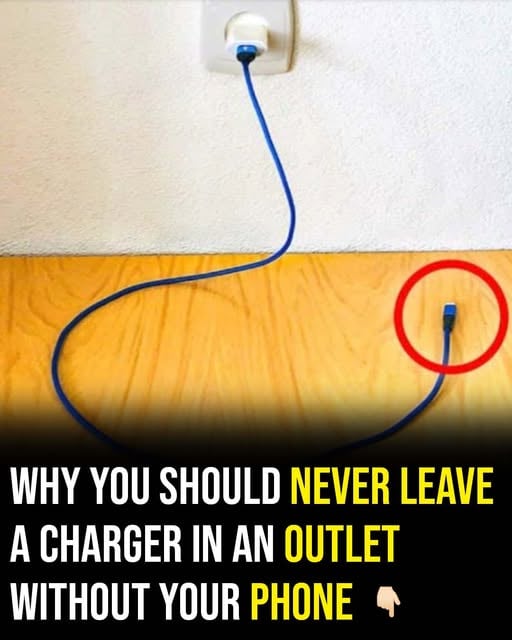
Why Leaving Chargers Plugged In All the Time May Not Be as Harmless as It Seems
A Common Habit Most People Rarely Question
In homes around the world, phone chargers, tablet adapters, and laptop cables often remain plugged into wall outlets day and night.
For many people, the habit feels completely harmless.
After all, countless chargers sit connected for weeks or even months without causing obvious problems. Because dramatic accidents are rare, most individuals never think twice about leaving adapters permanently attached to outlets.
The convenience becomes part of everyday life.
People finish charging a device, disconnect the phone or tablet, and leave the charger hanging from the wall ready for next time.
Over time, the routine becomes automatic.
Yet despite how ordinary the habit appears, experts continue encouraging people to unplug chargers when they are not actively being used.
The reasons are not usually dramatic or alarming. Instead, they involve small but important concerns related to energy use, equipment lifespan, and household safety.
Chargers Continue Drawing Power Even When Idle
One of the most overlooked facts about electronic chargers is that many continue consuming electricity even when no device is connected.
The amount of power used by a single charger is typically very small.
In most cases, an individual adapter drawing idle electricity will not noticeably increase a monthly utility bill. That is one reason many people ignore the issue entirely.
However, the situation changes when multiple chargers and electronic devices remain plugged in continuously throughout a home.
Modern households often contain a large number of adapters connected at the same time.
Phone chargers, laptop cables, gaming consoles, smart speakers, kitchen electronics, televisions, and countless other devices quietly draw standby power around the clock.
Individually, the effect may seem insignificant.
Together, however, these small energy drains create continuous electricity use that serves little practical purpose when devices are not charging.
Over long periods of time, unnecessary standby power contributes to increased energy consumption and avoidable waste.
The Hidden Cost of “Phantom Energy”
The electricity consumed by idle electronics is often referred to as phantom energy or vampire power.
This term describes devices that continue using electricity even while appearing inactive.
Chargers left plugged into outlets fall into this category because they remain energized and ready to transfer power whenever a device is connected.
Although modern chargers are generally more energy efficient than older electronics, they are not always completely inactive when left plugged in.
For environmentally conscious households, reducing unnecessary electricity use has become an increasingly important goal.
Small habits repeated daily can collectively make a measurable difference over time.
Simply unplugging chargers after use is one example of a small adjustment that reduces energy waste without requiring major lifestyle changes.
For many people, the change takes only a few seconds but contributes to more mindful energy use overall.
Constant Power Exposure Can Wear Out Chargers Faster
Beyond energy consumption, leaving chargers continuously connected to power can slowly affect the lifespan of the adapter itself.
Electronic components experience stress when exposed to electricity for extended periods.
Even when no device is charging, internal circuitry inside the adapter remains active to some degree.
Over time, constant electrical exposure may contribute to gradual wear of internal parts.
Heat also plays a role.
Some chargers become slightly warm even while idle. Repeated exposure to low-level heat over long periods can slowly weaken internal materials and reduce overall durability.
Eventually, aging chargers may become less efficient or more vulnerable to malfunction.
Although high-quality adapters are designed with safety protections, no electronic component lasts forever.
Unplugging chargers when they are not needed can help reduce unnecessary strain and potentially extend their usable lifespan.
Safety Risks Remain Rare but Real
For most households, plugged-in chargers will never cause a serious incident.
That reality often leads people to dismiss warnings entirely.
However, electrical safety experts continue emphasizing that low-level risks still exist whenever energized electronics remain connected continuously.
Faulty adapters, damaged cables, manufacturing defects, or counterfeit products can create overheating risks under certain conditions.
In some cases, chargers exposed to dust, moisture, or unstable electrical systems may become hazardous over time.
While major incidents remain uncommon, overheating chargers have occasionally been linked to electrical fires, melted outlets, or damaged electronics.
Cheap counterfeit adapters pose particular concerns because they may lack important safety protections found in certified products.
Low-quality chargers sometimes use inferior materials or poorly designed circuitry that increases the risk of overheating or electrical failure.
For this reason, safety experts often encourage consumers to purchase chargers from reputable manufacturers and avoid suspiciously inexpensive imitations.
Bedrooms and Overnight Charging Raise Additional Concerns
Many people leave chargers plugged in near beds, couches, or other soft surfaces where devices are charged overnight.
Although overnight charging is extremely common, improper charger placement can increase overheating risks.
Chargers covered by blankets, pillows, or clothing may trap heat rather than allowing proper airflow.
Damaged cables bent sharply or placed beneath furniture can also become vulnerable to wear over time.
Most modern charging systems include protections designed to prevent excessive power flow once batteries become fully charged.
Even so, experts generally recommend keeping chargers in open, ventilated spaces away from flammable materials.
Unplugging unused chargers before sleeping or leaving home for long periods can provide an additional layer of precaution.
Counterfeit Chargers Create Growing Problems
One reason electrical safety organizations continue discussing charger risks involves the increasing number of counterfeit electronics entering the market.
Some imitation chargers closely resemble genuine products while lacking the internal safety mechanisms found in authentic devices.
These counterfeit products may overheat more easily or fail under normal conditions.
Consumers sometimes purchase them unknowingly through online marketplaces, discount stores, or third-party sellers.
Because many counterfeit adapters appear visually similar to original products, identifying unsafe electronics can be difficult without careful inspection.
Using certified chargers from trusted manufacturers significantly reduces many of the risks associated with overheating or electrical malfunction.
Even then, unplugging chargers when not in use remains a simple habit that further limits unnecessary exposure to electrical stress.
Small Habits Can Prevent Larger Problems
One reason experts encourage unplugging chargers is because prevention often depends on consistent everyday behavior rather than reacting after problems occur.
Many household safety practices follow the same principle.
People lock doors even in safe neighborhoods, wear seatbelts during short drives, and replace smoke detector batteries before emergencies happen.
Unplugging unused electronics works similarly.
The goal is not to create fear or anxiety about ordinary devices.
Instead, it reflects a practical approach to minimizing avoidable risks and reducing unnecessary energy use.
Most of the time, nothing negative will happen if a charger remains plugged in.
Still, repeated daily habits can gradually influence both safety and efficiency over the long term.
The Psychological Benefit of Simplicity
Interestingly, small household habits can also affect peace of mind.
Many people experience subtle stress from cluttered outlets, tangled charging cables, and constantly connected electronics throughout the home.
Creating simple routines around unplugging devices can contribute to a cleaner and more organized environment.
For some individuals, reducing unnecessary electronics usage also supports a broader sense of intentional living and reduced dependency on constant digital connection.
While unplugging a charger may seem insignificant, small routines often shape how people feel about their homes and daily lives.
Simple acts repeated consistently can create a sense of control, care, and mindfulness within everyday environments.
Modern Homes Depend More on Electronics Than Ever Before
Today’s households rely heavily on electronic devices compared to previous generations.
Many families own multiple smartphones, tablets, laptops, smart watches, wireless headphones, and gaming systems requiring regular charging.
As a result, homes now contain far more charging equipment than ever before.
The growing number of connected devices increases the importance of basic electrical awareness.
Although modern technology offers convenience and efficiency, it also creates more opportunities for energy waste and equipment overload if not managed carefully.
Small habits like unplugging unused chargers become more meaningful when multiplied across dozens of devices within a single household.
A Practical Approach Rather Than Fear
Importantly, experts do not generally suggest that people should panic over chargers left in outlets occasionally.
The overwhelming majority of chargers function safely during normal use.
The recommendation to unplug devices instead reflects a practical and preventative mindset.
Reducing standby power consumption, limiting unnecessary wear, and minimizing small safety risks are all reasonable goals achieved through a very simple action.
For many households, unplugging chargers may eventually become as automatic as turning off lights when leaving a room.
The habit requires little effort but encourages greater awareness of how energy and electronics are used every day.
The Value of Everyday Awareness
In the end, the conversation surrounding chargers is not really about fear of electronics.
It is about awareness.
Modern devices have become such a constant part of daily life that people often stop noticing how frequently they remain connected and consuming power.
Small adjustments can quietly improve both efficiency and safety without disrupting convenience.
Unplugging chargers after use may seem minor, but repeated over time, those small choices contribute to lower energy waste, reduced equipment strain, and greater peace of mind.
Most importantly, the habit reflects a broader principle that many experts continue emphasizing: simple acts of care performed consistently can help protect both homes and the people living inside them.

