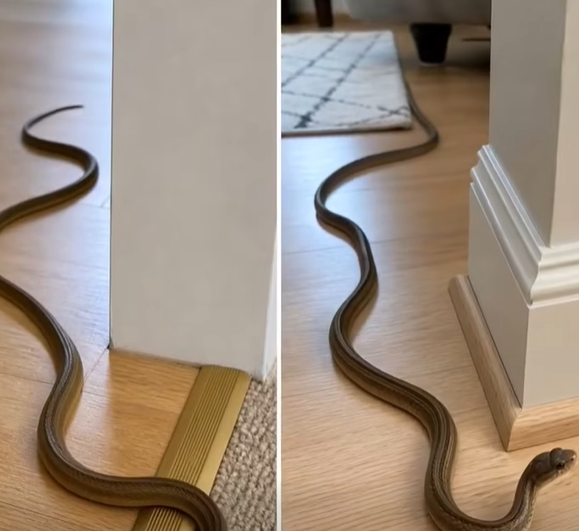
What to Do When a Snake Enters Your Home
Understanding Why Snakes Enter Homes
A snake entering a home can be an unsettling experience, but it is important to understand that this type of occurrence is usually driven by simple environmental factors rather than anything unusual or symbolic. In most cases, snakes are not deliberately seeking human contact. Instead, they are responding to basic survival needs such as food, warmth, and shelter. When these needs lead them into residential areas, they may unintentionally find their way indoors.
Homes can sometimes provide conditions that attract wildlife without homeowners realizing it. Snakes are naturally drawn to places where they can find a stable environment or where potential prey may be present. If a building offers warmth during cooler periods or shelter during environmental changes, it can become an accidental destination. This behavior is not uncommon and is generally linked to natural movement patterns rather than any specific trigger inside the home itself.
In many situations, snakes follow environmental cues that lead them closer to human structures over time. Once near a home, even small openings can provide opportunities for entry. This is why understanding their motivation is helpful in reducing concern and responding appropriately. Recognizing that the presence of a snake is usually accidental helps shift the focus toward practical safety measures rather than alarm or panic.
Common Entry Points Around the Home
Snakes are capable of entering buildings through surprisingly small gaps, which often go unnoticed during daily life. Cracks in foundations are one of the most common pathways, especially when they provide direct access to indoor spaces. These cracks may develop gradually over time and can remain unsealed if not regularly inspected.
Other entry points include open vents, gaps beneath doors, and windows that are not properly sealed. Each of these areas can create opportunities for a snake to slip inside without being detected immediately. Because snakes are flexible and can navigate narrow spaces, even minor structural openings can be enough for them to gain access.
These entry points are often more noticeable during warmer months when snakes are more active. Increased movement during these periods can raise the likelihood of encounters near residential areas. Once near a structure, a snake may follow edges, walls, or shaded areas that guide it toward accessible openings.
Understanding how these access points function helps explain why snakes may appear indoors even in well-maintained homes. It is not always a sign of neglect, but rather a reminder of how small structural vulnerabilities can interact with natural animal behavior. Identifying these areas is an important step in managing and reducing future occurrences.
First Response When You See a Snake Indoors
Discovering a snake inside a home can trigger immediate concern, but the most important first step is to remain calm. Sudden reactions or attempts to approach the animal can increase risk and make the situation more difficult to manage. A calm response helps reduce movement in the area and allows the snake to behave naturally.
Snakes generally prefer to avoid human contact and will attempt to escape if they are not threatened. Giving the animal space is essential, as it reduces the likelihood of defensive behavior. Keeping a safe distance also helps maintain control over the situation while decisions are made about the next steps.
It is also important to ensure that children and pets are kept away from the area immediately. This precaution helps prevent accidental interactions and keeps all occupants of the home safe. Limiting access to the affected space can also reduce stress for both the people and the animal involved.
If possible, closing interior doors can help contain the snake within a single room. This should be done carefully and without provoking the animal. Containment reduces the chances of the snake moving deeper into the home, making it easier to manage the situation safely and efficiently. The goal is to maintain separation without creating additional disturbance.
Why You Should Avoid Handling the Snake
Attempting to touch, trap, or kill a snake inside a home is strongly discouraged. Even snakes that are not venomous can bite if they feel threatened or cornered. Defensive behavior is a natural response when the animal perceives danger, and human interference can unintentionally increase that risk.
Another important concern is the difficulty of identifying snake species accurately in a stressful situation. Misidentification can lead to unnecessary danger and poor decision-making. Without proper knowledge, it is not always possible to determine the level of risk associated with the animal present in the home.
Because of these factors, direct handling introduces unnecessary complications. The situation is best managed through caution and distance rather than physical interaction. Allowing the snake to remain undisturbed until help arrives is generally the safest approach for everyone involved.
Maintaining a non-interactive stance reduces the likelihood of escalation and supports a more controlled resolution. It also helps ensure that the snake does not feel pressured to react defensively. In most cases, minimal interference leads to a safer outcome overall.
Calling Professional Help
The safest and most effective response to a snake inside a home is to contact animal control or a licensed wildlife removal service. These professionals are trained to handle situations involving snakes and are equipped to do so safely. Their experience allows them to assess the situation and respond appropriately without causing harm to people or animals.
Professional removal ensures that the snake is captured and relocated in a controlled manner. This reduces the risk of injury and avoids unnecessary confrontation. It also helps ensure that the animal is handled in accordance with safe wildlife practices.
Relying on trained specialists removes uncertainty from the situation. Instead of attempting to manage the snake independently, homeowners can depend on established procedures designed for safety. This approach is particularly important when there is any uncertainty about the type of snake present.
Once professionals arrive, they can evaluate the environment and determine the best method for removal. Their involvement ensures that the situation is resolved efficiently and with minimal disruption. This step is essential in restoring safety within the home.
Preventing Future Occurrences
After a snake has been removed, it is important to take steps to reduce the likelihood of future visits. One of the most effective measures is inspecting the home for possible entry points. Sealing cracks in foundations and closing small gaps can significantly reduce access opportunities.
Installing door sweeps and adding window screens can also help strengthen barriers between the indoor and outdoor environment. These adjustments create additional layers of protection that make it more difficult for snakes to enter unnoticed. Regular maintenance of these features helps maintain their effectiveness over time.
Environmental management around the home is also important. Reducing clutter outside can limit areas where snakes may hide or move through. Keeping grass trimmed helps decrease concealment opportunities and improves visibility around the property.
Controlling populations of rodents or insects is another helpful step, as these can serve as food sources that attract snakes. By reducing the availability of prey, the surrounding environment becomes less appealing. Together, these actions contribute to a less inviting setting for wildlife seeking food or shelter.
The Role of Snakes in Nature
Although encountering a snake indoors can be alarming, it is important to recognize that snakes play a valuable role in natural ecosystems. They contribute to controlling pest populations, helping maintain ecological balance in their environments. This function supports the broader health of natural systems.
When snakes appear inside homes, it is usually the result of accidental movement rather than intentional behavior. Their presence indoors does not reflect a change in their ecological role but rather a temporary overlap between natural habitats and human living spaces.
Understanding this context can help reduce unnecessary fear and promote a more balanced perspective. Snakes are part of the natural world and typically avoid human interaction whenever possible. Their presence is often brief and situational rather than persistent.
Conclusion
A snake inside a home may feel alarming at first, but the situation is generally manageable with calm and careful action. The most important steps involve maintaining distance, ensuring safety for all occupants, and avoiding direct interaction with the animal. These measures help reduce risk while the situation is addressed.
Professional assistance plays a key role in resolving the issue safely and effectively. Once the snake has been removed, taking preventive measures such as sealing entry points and managing the surrounding environment can significantly reduce the chances of recurrence. With consistent maintenance and awareness, homeowners can lower the likelihood of future encounters.
Ultimately, understanding the behavior of snakes and responding appropriately allows for a safer and more controlled outcome. By focusing on prevention, caution, and professional support, a snake entering a home becomes a temporary situation rather than a lasting concern.
