
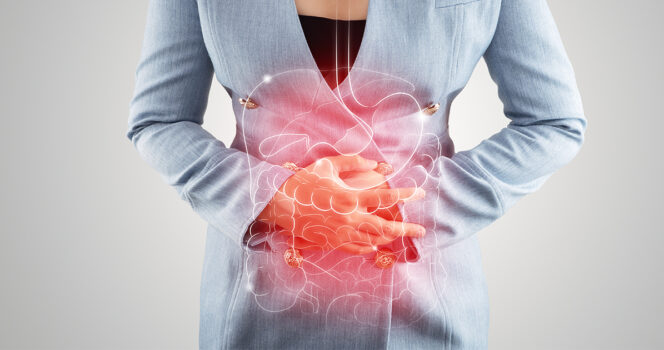
Gallbladder removal is a common surgical procedure, often recommended for individuals dealing with painful gallstones or other gallbladder-related conditions. While the operation is considered routine, many people wonder how the body adjusts once this small but important organ is no longer present.
The gallbladder plays a key role in digestion. This small, pear-shaped organ sits just beneath the liver and stores bile, a digestive fluid that helps break down fats. When you eat, the gallbladder releases bile into the small intestine to assist with digestion, especially after meals that contain fat.
Before understanding what happens after removal, it is helpful to look at some of the most common conditions that affect the gallbladder.
One of the most frequent issues is Gallstones. These are small, hardened deposits that form from components of bile. They can vary in size and may not always cause symptoms. However, when they block the flow of bile, they can lead to pain, nausea, and inflammation.
Another condition is Cholecystitis, which occurs when a gallstone blocks the gallbladder and causes inflammation. This can result in severe abdominal pain, fever, and discomfort, and often requires medical treatment or surgery.
A more serious complication is Gallstone pancreatitis. This happens when a gallstone moves into the bile duct and blocks the pancreatic duct, leading to inflammation of the pancreas. This condition usually requires hospitalization and close medical care.
Although rare, Gallbladder cancer can also develop. It is often difficult to detect early, which is why ongoing abdominal pain or digestive issues should always be evaluated by a healthcare professional.
Symptoms of gallbladder problems can vary, but many people report pain in the upper right abdomen or the middle upper abdomen. This pain may sometimes spread to the right shoulder or back. Discomfort after eating fatty foods is also common. Other signs can include nausea, vomiting, fever, chills, and in some cases jaundice, which causes yellowing of the skin and eyes. Changes in urine or stool color may also occur.
After gallbladder removal, the body undergoes an adjustment period. The liver continues to produce bile, but instead of being stored in the gallbladder, it flows directly into the small intestine. For many people, this change does not cause major issues, and digestion continues normally over time.
However, some individuals may notice temporary digestive changes, especially in the weeks following surgery. One of the most common differences is how the body handles fatty foods. Because bile is no longer released in concentrated amounts, large amounts of fat may be harder to digest at once. This can lead to discomfort after eating rich or greasy meals.
Some people may also experience diarrhea due to the continuous flow of bile into the intestines. This is sometimes referred to as bile acid-related diarrhea. In addition, bloating and gas can occur as the digestive system adapts to its new pattern.

Dietary adjustments can help ease this transition. Many experts recommend starting with a low-fat diet shortly after surgery. Avoiding fried foods, heavy sauces, and greasy meals can reduce digestive discomfort. As the body adjusts, most people can gradually reintroduce a wider variety of foods.
Increasing fiber intake may also help regulate digestion, although it is often best to add fiber gradually to avoid additional bloating. Eating smaller, more frequent meals instead of large portions can make digestion easier and reduce strain on the system.
Staying hydrated is another important factor, especially for individuals who experience diarrhea. Drinking water, herbal teas, or broths can help maintain fluid balance and support recovery.
Certain foods may temporarily worsen digestive symptoms. These can include caffeine, dairy products, and highly sugary foods. Limiting these during the recovery period may help improve comfort.
Doctors often recommend beginning with simple, easy-to-digest foods such as clear liquids and bland meals before slowly returning to a regular diet. Paying attention to portion sizes and food choices can support both digestion and overall health.
The encouraging news is that most people are able to live completely normal and healthy lives without a gallbladder. While the digestive system may feel slightly different at first, the body is highly adaptable. Over time, many individuals find that their symptoms improve and that they can return to their usual routines with only minor adjustments.
In the long term, maintaining a balanced diet, staying active, and following general health guidelines can help support digestion and overall well-being. For most individuals, gallbladder removal not only resolves previous symptoms but also allows for a better quality of life once recovery is complete.

