
Rajee Narinesingh’s Journey: From “Cement Face” Tragedy to Advocacy and Recovery
A Life Changed by Dangerous Black Market Procedures
Rajee Narinesingh became widely known after suffering severe consequences from illegal cosmetic procedures performed in the mid-2000s by Oneal Ron Morris, a figure later labeled by the media as the “toxic tush doctor.”
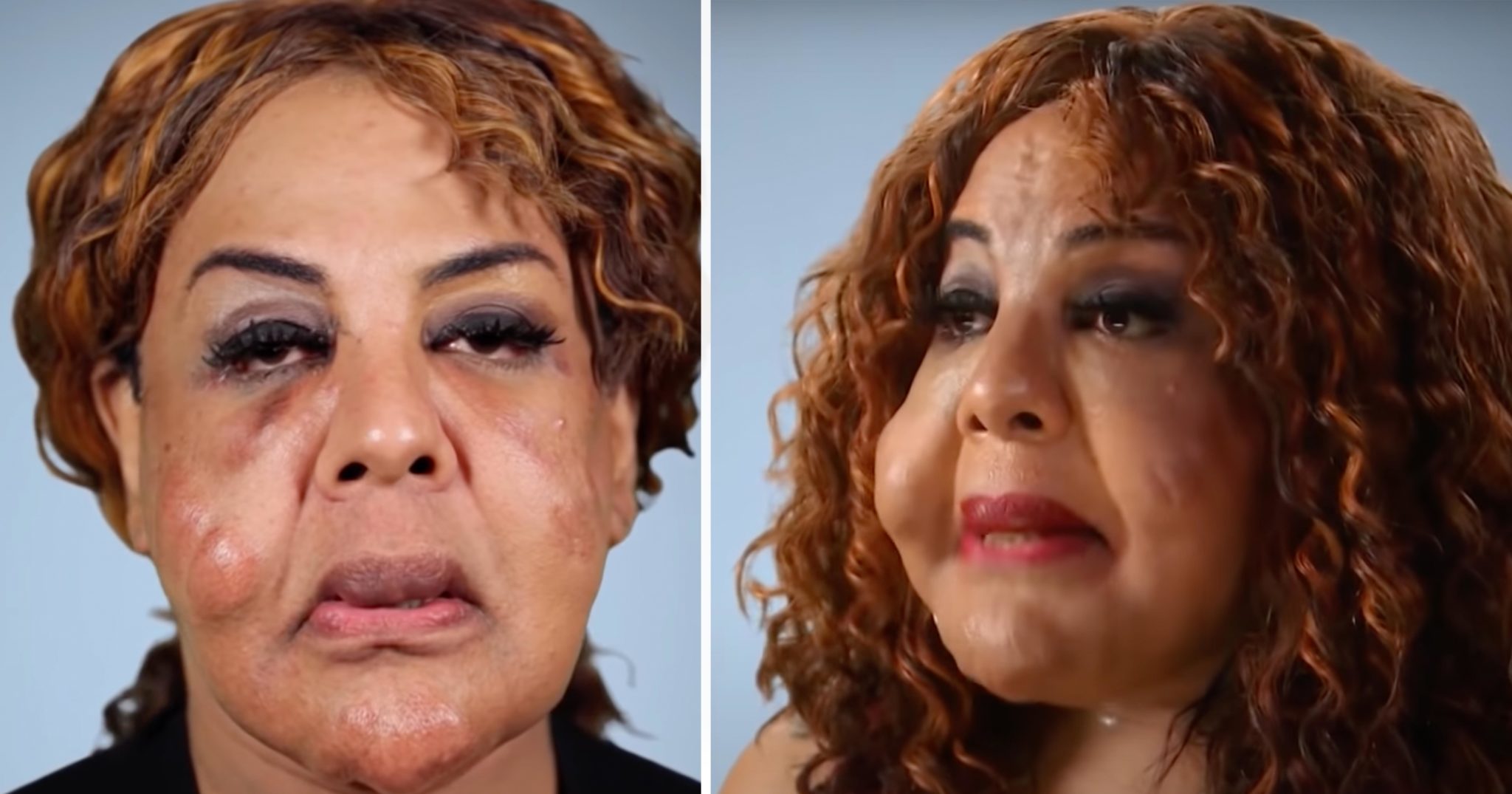
The procedures involved dangerous injections made from a mix of substances, including cement, superglue, and tire sealant. These materials were injected into multiple areas of Narinesingh’s body, including her face, breasts, hips, and buttocks.
Over time, the substances hardened beneath the skin, leaving her with significant deformities. Because of the visible effects on her face, she became widely referred to as “Cement Face.”
The physical damage was severe, and the emotional toll was equally overwhelming. Narinesingh later described feeling unable to leave her home and deeply distressed by her appearance.
Early Life and Identity Struggles
Rajee Narinesingh was born on April 7, 1967, in New York and was assigned male at birth.
From a young age, she felt different from other boys in her surroundings. As she grew older, she began to understand her identity more clearly, even though there were few resources available at the time to explain what she was experiencing.
She later explained that she connected with feminine expression early in life and recognized those feelings long before she had the language to describe them.
During her youth, she observed different communities and began to identify more strongly with transgender individuals, describing those moments as revealing and transformative in understanding herself.
Growing up, she often expressed herself in ways that aligned with how she felt internally, even in childhood activities and imagination.

The Path Toward Transition and Surgery
As Narinesingh got older, she became more certain about her identity and desired physical changes to reflect how she felt inside.
She sought cosmetic procedures to help align her appearance with her gender identity. However, the cost of legitimate medical treatments was extremely high.
Feeling pressured and desperate, she eventually turned to unlicensed procedures, commonly referred to as black market “pumping.”
In the mid-2000s, she met Oneal Ron Morris, who claimed to perform cosmetic enhancements outside of regulated medical settings.
Narinesingh later stated that she paid around $100 per session and received multiple injections between 2007 and 2010.
These injections contained unsafe substances, and the procedures were performed without proper medical standards or oversight.
Medical Consequences of Illegal Injections
The results of the injections were devastating. Over time, the substances injected into her body caused hard lumps and severe distortion under the skin.
Her facial structure was visibly affected, with nodules forming in areas such as her cheeks, lips, and chin. Similar complications developed in other injected areas of her body.
Narinesingh later described her emotional state during this period as deeply painful, expressing that she felt isolated and ashamed of how she looked.
She avoided public spaces and withdrew from social life due to fear of judgment and embarrassment.
Despite recognizing that the procedures were unsafe, she did not immediately report the situation, largely due to fear and emotional distress.
Living in Isolation and Emotional Impact
The aftermath of the procedures had a profound psychological effect on Narinesingh.
She described feeling dehumanized by her appearance and compared herself to someone unrecognizable in society.
The emotional burden led her to avoid going outside and disconnect from many aspects of daily life.
This period became one of the most difficult chapters of her life, marked by fear, regret, and uncertainty about the future.
Beginning the Road to Medical Repair
In 2012, Narinesingh began receiving medical assistance from Dr. John Martin in Coral Gables, who provided treatment aimed at softening the hardened fillers.
Her treatment included laser therapy and specialized injections designed to reduce the damage caused by the earlier procedures.
These medical interventions marked the beginning of her physical and emotional recovery.
Over time, she began regaining confidence as her appearance slowly improved.
She described this stage as a transition from feeling like a victim to rebuilding her sense of identity and self-worth.

Public Attention and Television Support
Narinesingh’s story gained wider attention when she appeared on the reality television series “Botched.”
Initially, she was not selected for treatment due to concerns about medical risks. However, she was later accepted and treated by surgeons who specialized in complex reconstructive cases.
Over a period of several weeks, she underwent multiple procedures aimed at removing toxic filler material from her face.
The treatments were carefully planned to reduce risk while improving her condition as safely as possible.
Following her appearances and treatments, Narinesingh described significant improvement in her confidence and quality of life.
Recovery and Life After Treatment
Although some residual effects remained in other parts of her body, the changes to her face helped her regain a sense of normalcy and confidence.
She described being able to look in the mirror again without the same level of distress she had previously experienced.
Her recovery marked a major turning point, both physically and emotionally.
She began re-engaging with social life and rebuilding her personal identity after years of isolation.

Accountability and Legal Outcome
Oneal Ron Morris later faced legal consequences related to the dangerous procedures performed on multiple individuals.
In 2017, she was sentenced to 10 years in prison after a case involving the death of a patient.
Years later, communication occurred between Narinesingh and Morris, during which an apology was offered.
Narinesingh publicly responded with forgiveness, expressing a belief in personal growth and learning through hardship.
Advocacy, Work, and Public Influence
Following her recovery, Narinesingh became a public advocate and speaker.
She has described herself as an activist, actress, mystic, and author, contributing to discussions about transgender experiences and medical safety.
She has appeared on numerous television programs and has written multiple books based on her life experiences.
Her work includes involvement with LGBTQ communities and organizations focused on support and education.
She also participates in outreach related to HIV awareness and prevention, sharing messages aimed at education and public health.

Life Today and Personal Perspective
Now living in Florida, Narinesingh continues her advocacy work and maintains an active public presence.
She frequently shares reflections on her journey and speaks about the importance of resilience and personal growth.
Despite the hardships she endured, she has described her experiences as transformative in shaping her purpose.
She often emphasizes that her struggles ultimately led her to a wider platform for activism and global awareness.
Through her public work, she connects with individuals around the world who relate to themes of identity, survival, and self-acceptance.

A Story of Pain, Recovery, and Purpose
Rajee Narinesingh’s life story reflects a complex journey involving identity, risk, suffering, and recovery.
The consequences of unsafe procedures caused lasting physical damage, but her later medical treatment helped restore confidence and improve her quality of life.
Over time, she transformed her personal experience into advocacy, focusing on education and support for others facing similar challenges.
Her story continues to be shared widely as an example of both the dangers of unregulated medical procedures and the possibility of rebuilding life after trauma.


