
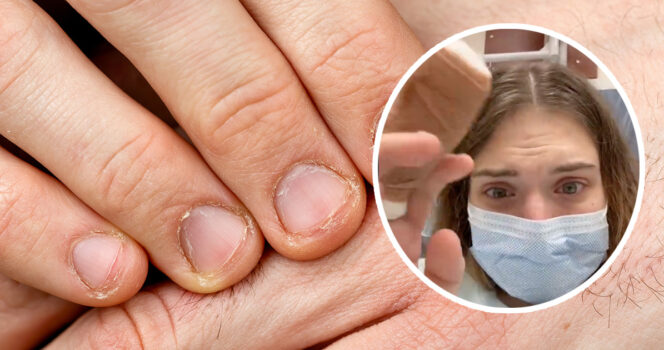
Nail biting is a common habit that many people develop during childhood and carry into adulthood. For most, it may seem harmless—an occasional response to stress or boredom that results in minor issues like sore fingertips or small hangnails. However, in some cases, this habit can lead to far more serious complications. The experience of a 21-year-old woman named Gabby Swierzewski highlights how something seemingly minor can quickly escalate into a significant medical concern.
Gabby had been biting her nails for as long as she could remember. What started as a childhood habit gradually became part of her daily routine. Over the years, she experienced the usual minor discomforts associated with nail biting, including occasional tenderness and small tears in the skin around her nails. These issues were never severe enough to cause alarm, and like many others with similar habits, she assumed they were simply part of the behavior.
In early February, however, she noticed something different. What initially appeared to be a typical hangnail began to cause unusual pain. At first, she did not think much of it, as hangnails were something she had dealt with many times before. She expected the discomfort to fade on its own, as it usually did.
Within a short period, the situation changed. The finger became noticeably swollen, and the pain intensified. Recognizing that this was not her usual experience, she decided to contact a medical professional. At that stage, the issue still seemed manageable, and it was initially thought to be a minor infection or an ingrown nail.
A few days after the symptoms began, she was prescribed antibiotics along with a topical treatment. These measures are commonly effective in addressing mild infections, and there was an expectation that her condition would begin to improve. However, despite following the recommended treatment, her symptoms did not subside.
As time passed, the condition worsened. The swelling remained, and the discomfort became more pronounced. Seeking further help, she visited a specialist for additional evaluation. During this visit, attempts were made to relieve the pressure in the affected area, but the outcome did not bring the expected relief. A second course of antibiotics was prescribed in hopes of controlling the infection.
Despite these efforts, her condition continued to deteriorate. The affected finger began to show more severe signs, including discoloration and increased sensitivity. At one point, she noticed that the finger had turned a darker shade and was throbbing persistently. This marked a turning point, as the symptoms had progressed beyond what could be considered minor.
The pain eventually became overwhelming, prompting her to seek emergency medical care. At the hospital, doctors performed a procedure to drain the infected area in an attempt to reduce swelling and prevent further complications. While this provided some temporary relief, the underlying issue had not yet been fully resolved.
Medical professionals grew increasingly concerned about the severity of the infection. Infections around the nail can sometimes spread deeper into the surrounding tissue and, in more serious cases, reach the bone. This possibility required careful monitoring and further intervention.
Shortly afterward, she underwent a surgical procedure designed to clean out the infected tissue. This type of procedure, often referred to as irrigation and debridement, involves removing damaged or infected material to prevent the spread of infection and to promote healing. The surgery was considered necessary to protect the affected area and reduce the risk of long-term damage.
Following the procedure, there was a period of uncertainty. Medical teams conducted tests to determine whether the infection had spread further. During this time, there was concern about the potential outcomes, including the possibility of losing part of the finger if the infection could not be controlled.
Fortunately, follow-up evaluations brought positive news. The infection had been successfully contained, and no additional surgical procedures were required. Most importantly, the risk of amputation was eliminated. With continued care and monitoring, her finger began the process of recovery.
This experience marked a significant turning point. What had once been viewed as a minor habit took on a new level of seriousness. It highlighted how behaviors that seem harmless can, under certain conditions, lead to unexpected and severe consequences.
Medical experts note that nail biting, particularly when it becomes frequent or intense, can damage the protective barrier around the nails. This creates openings where bacteria can enter, increasing the risk of infection. The skin surrounding the nails is especially sensitive, and even small breaks can become entry points for harmful microorganisms.
Maintaining proper nail care is one of the most effective ways to reduce these risks. Keeping nails clean and trimmed can help prevent the development of hangnails and reduce the temptation to bite. Avoiding damage to the cuticle and surrounding skin is also important, as these areas serve as a natural defense against infection.
Equally important is recognizing early warning signs. Symptoms such as persistent swelling, redness, warmth, or increasing pain should not be ignored. These may indicate the presence of an infection that requires medical attention. Early treatment can often prevent the condition from becoming more serious.
This case also underscores the importance of seeking timely medical care. While it is common to wait and see if minor issues resolve on their own, worsening symptoms should prompt a professional evaluation. Delaying care can allow infections to progress, making treatment more complex.
Beyond the physical aspects, this experience also brought attention to the challenges of breaking long-standing habits. Nail biting is often linked to stress, anxiety, or routine behavior, and stopping can be difficult without conscious effort and support. However, experiences like this can serve as motivation for lasting change.
In the weeks following her recovery, Gabby expressed a renewed commitment to addressing her habit. The experience provided a clear understanding of the risks involved and reinforced the importance of taking preventive measures.
Her story serves as a reminder that even common habits deserve attention when they begin to affect health. By understanding the potential risks and responding early to warning signs, it is possible to prevent minor issues from developing into serious conditions.
Ultimately, maintaining awareness, practicing good hygiene, and seeking medical advice when needed are key steps in protecting overall health. Small changes in daily habits can make a significant difference, helping to avoid complications and support long-term well-being.

