Classic Hollywood Icons and the Enduring Appeal of Vintage Entertainment Photography
Vintage Hollywood photography continues to captivate audiences decades after the images were first captured. These photographs preserve more than famous faces and memorable performances. They also reflect the atmosphere, fashion, and cultural identity of earlier generations.
From film sets to candid moments behind the scenes, these images reveal a world shaped by elegance, personality, and cinematic influence. They offer insight into a period when entertainment figures became symbols of style and confidence across the globe.
Many of these photographs remain recognizable because they capture authentic expressions and defining moments from an era that still inspires admiration today.
The Lasting Emotional Impact of Vintage Photography
Photographs from earlier decades often create a strong emotional response. They provide a connection to periods remembered for their distinctive charm and slower pace of life.
These images allow viewers to revisit moments that helped shape entertainment history and popular culture. They also preserve the personalities of performers whose influence extended far beyond the screen.
Unlike many modern images built around constant visibility and rapid trends, older photographs often appear more relaxed and natural. Expressions feel spontaneous, and interactions seem genuine.
This sense of authenticity contributes to the continued fascination with classic Hollywood photography.
For many people, these photographs represent more than nostalgia. They serve as visual records of changing fashion, evolving social attitudes, and the personalities who defined their generations.
Changing Ideas of Beauty Through the Decades
Standards of beauty have transformed significantly over time, and vintage photography highlights those differences clearly.
Earlier generations of performers often relied on natural presentation and understated styling. Their appearances reflected confidence and individuality rather than extensive cosmetic enhancement.
Many classic photographs reveal expressions that appear calm, approachable, and unguarded. This quality helped audiences feel connected to the personalities they admired on screen.
Modern imagery frequently carries a different tone, shaped by public pressure, media attention, and constant exposure. In contrast, vintage photographs often preserve moments that feel effortless and sincere.
The appeal of these older images continues because they capture beauty in a way that many viewers still find timeless.
Clint Eastwood and the Power of the Western Hero
An iconic image of Clint Eastwood from the 1950s captures him dressed as a cowboy while aiming two pistols directly toward the camera.
The photograph reflects the enduring popularity of Western films during that period. The genre played a central role in shaping cinematic storytelling and influenced audiences around the world.
Eastwood became strongly associated with characters defined by toughness, independence, and quiet determination. His screen presence helped establish the Western hero as one of Hollywood’s most recognizable figures.
The image remains memorable because it captures the atmosphere of a time when Westerns dominated both film and television.
Beyond the costume and setting, the photograph also represents a larger cultural fascination with adventure, resilience, and self-reliance.
Burt Reynolds and Farrah Fawcett’s Memorable Collaboration
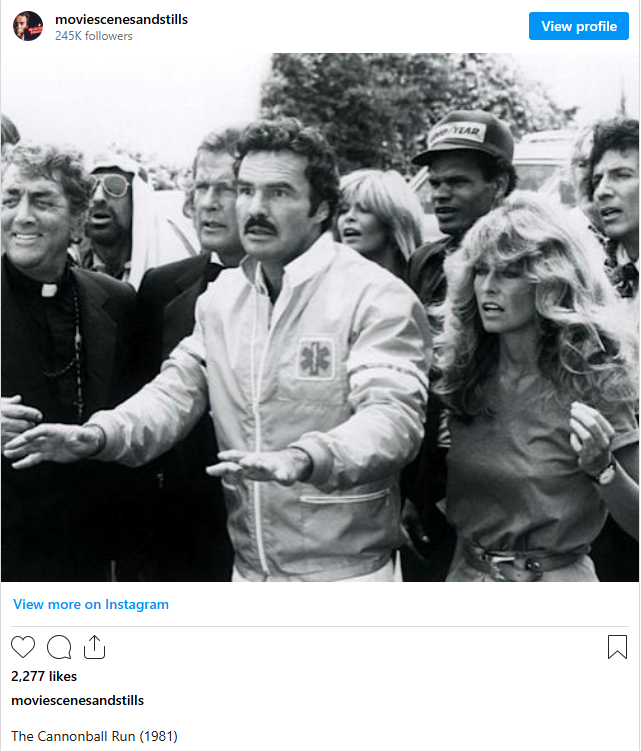
A behind-the-scenes photograph from the 1981 film The Cannonball Run highlights the chemistry between Burt Reynolds and Farrah Fawcett.
The film underwent major changes during development. Originally planned as a serious action project intended for Steve McQueen, it eventually adopted a lighter tone that became central to its identity.
Reynolds brought humor and charisma to the production, helping shape the film’s entertaining atmosphere.
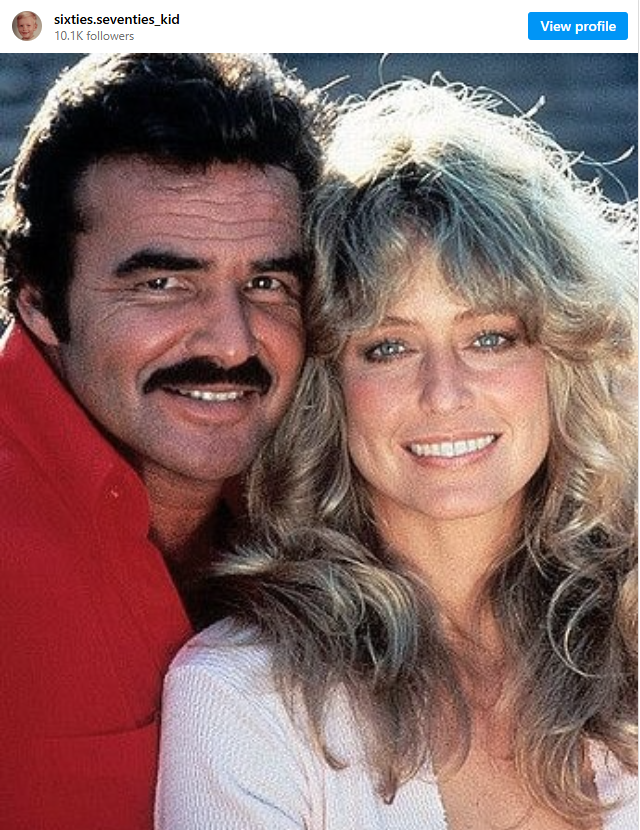
The captured interaction between Reynolds and Fawcett reflects comfort, spontaneity, and playful energy. Their dynamic became one of the film’s most recognizable qualities.
Audiences responded positively to their natural connection on screen, which contributed significantly to the movie’s popularity.
The photograph continues to attract attention because it captures the easy charm that defined many successful entertainment partnerships during that era.

Catherine Deneuve and the Elegance of the Late 1960s
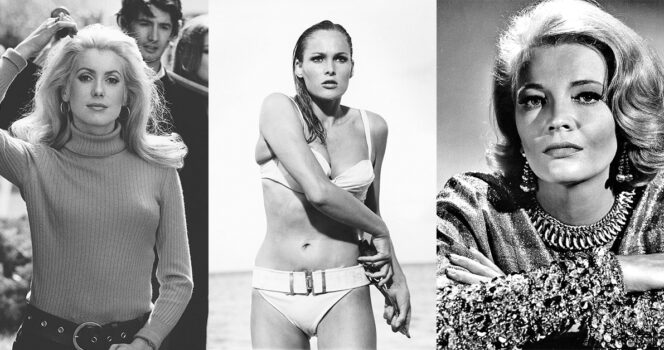
A photograph of Catherine Deneuve taken during the production of La Chamade in 1968 reflects the understated elegance often associated with classic European cinema.
Her appearance in the image conveys confidence and refinement without relying on elaborate styling or dramatic presentation.
During the film, Deneuve portrayed a young woman involved in a complicated romantic situation, bringing emotional depth and subtle expression to the role.
The photograph captures the mood of the late 1960s, a period remembered for its balance of sophistication and simplicity.
Many viewers continue to admire the image because it represents a form of beauty defined by natural expression rather than excess.
Deneuve’s lasting reputation is closely connected to this ability to project elegance with minimal effort.
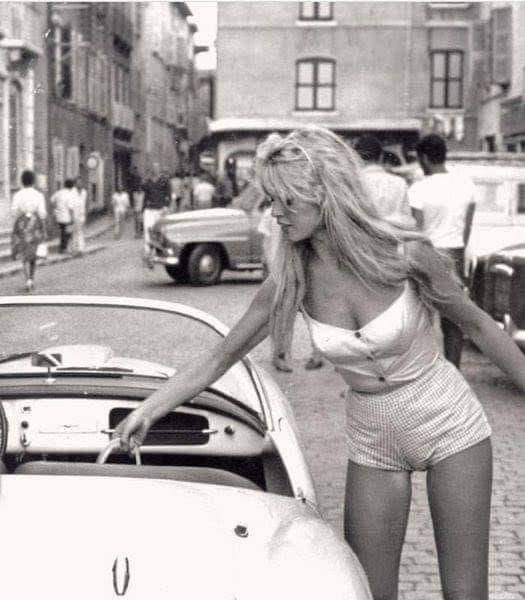
Brigitte Bardot and International Fame
Brigitte Bardot emerged as one of the most recognizable entertainment figures of the 1950s.
Her distinctive appearance and confident public image quickly attracted attention both in Europe and internationally.
A beach photograph taken during the Cannes Film Festival in 1953 captured an important stage in her rise to fame. Additional images from locations such as St. Tropez further strengthened her status as a cultural icon.
Bardot’s influence extended far beyond film. Her style and presence helped shape popular trends and attracted audiences across different countries.
These photographs continue to be widely remembered because they reflect a transformative period in entertainment history.
They also preserve the image of a performer whose impact reached across generations and continents.

Tony Curtis and Janet Leigh’s Hollywood Romance
Tony Curtis and Janet Leigh became one of Hollywood’s most talked-about couples during the 1960s.
At the time, some believed their marriage might negatively affect their careers. Despite those concerns, the pair remained together and continued to attract public admiration.
Vintage photographs of Curtis and Leigh frequently convey warmth, closeness, and genuine affection.
Their relationship became closely associated with classic Hollywood glamour, combining personal connection with professional success.
Audiences responded strongly to their public image because it reflected stability and partnership during a highly visible period in entertainment history.
Today, those images remain popular reminders of a memorable Hollywood era defined by elegance and star power.
Ursula Andress and a Defining Cinematic Scene
Ursula Andress achieved international recognition through her role as Honey Ryder in the 1962 James Bond film Dr. No.
One particular beach scene from the film became one of the most famous moments in movie history.
The image associated with that scene continues to symbolize the lasting popularity of the Bond franchise and its cultural influence.
Andress later reflected on the significance of the role in shaping her career.
“It was a big moment for me,” Ursula once told the Sunday Post. “I think that simple bikini made a complete difference to my career. It made me into a success.
“I had made a few movies before then but nothing had the impact of that scene in Dr No.”
The moment transformed her into a globally recognized figure and helped establish one of cinema’s most enduring film franchises.
Jacqueline Bisset and Refined Simplicity
Jacqueline Bisset became known for a style defined by elegance and natural presentation.
A publicity photograph from the 1968 film The Detective highlights her refined appearance and understated beauty.
The image emphasizes simplicity rather than heavy styling, reflecting broader trends of the period.
Her confidence and individuality contributed to her strong screen presence and enduring popularity.
Bisset’s career became associated with a timeless form of sophistication that continues to resonate with audiences.
Many admirers continue to appreciate how her appearance reflected authenticity rather than theatrical presentation.

Barbara Bach and Evolving Female Roles in Film
Barbara Bach reached a major point in her career with her role in The Spy Who Loved Me in 1977.
Her performance contributed to changing perceptions of female characters in major action films.
The image associated with her during that period reflected a combination of confidence, strength, and elegance.
These qualities aligned with broader cultural shifts taking place in entertainment and society.
Bach’s work demonstrated that female characters could be portrayed with both sophistication and authority.
Her performances remain connected to a period when representation in film continued to evolve.
Barbara Eden and Television Fame
Barbara Eden became widely recognized through her role in the television series I Dream of Jeannie.
By 1965, her popularity had grown significantly, and she became one of television’s most familiar personalities.
Photographs from that era highlight her expressive style and polished presentation.
Her bright on-screen personality helped the series become a major success with viewers.
Although the role became strongly associated with her public identity, her career extended far beyond a single television production.
Her longevity in entertainment reflected both versatility and adaptability within a rapidly changing industry.
Faye Dunaway’s Commanding Presence
Faye Dunaway earned recognition for portraying emotionally complex characters with intensity and precision.
Her performances frequently combined strength, intelligence, and emotional depth.
Photographs of Dunaway often reveal a remarkable ability to communicate different emotions through subtle expression alone.
This versatility contributed to her reputation as one of the most respected performers in cinema.
Her image became associated with confidence and dramatic presence, qualities that distinguished her from many contemporaries.
These characteristics helped establish her lasting influence within the film industry.
Connie Francis and the Influence of Popular Music
Connie Francis achieved major success in 1960 with the song “Everybody’s Somebody’s Fool.”
The track became widely popular and frequently played in social settings where music brought people together.
Her songs became part of everyday life for many listeners, contributing to shared experiences centered around dancing and entertainment.
Photographs of Francis from that period capture the lively atmosphere connected to her music and performances.
Her popularity reflected the powerful role music played in shaping social culture during the era.
The connection audiences felt to her work helped make her one of the memorable voices of the time.

Sally Field and a Career That Endured
Sally Field became widely admired for performances that combined warmth, humor, and emotional sincerity.
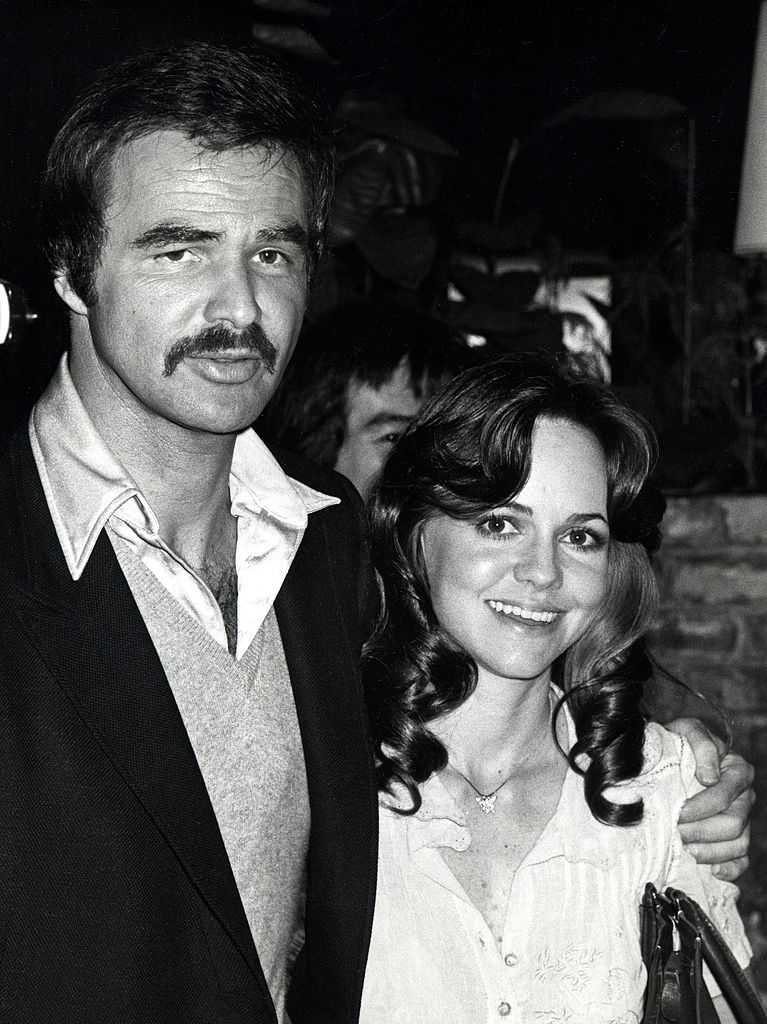
Her role in Smokey and the Bandit alongside Burt Reynolds introduced audiences to a partnership that quickly became popular.
Their interactions on screen reflected natural chemistry and playful energy, helping the film achieve lasting recognition.
Field’s enduring appeal extended well beyond a single role, supported by a career marked by versatility and consistency.