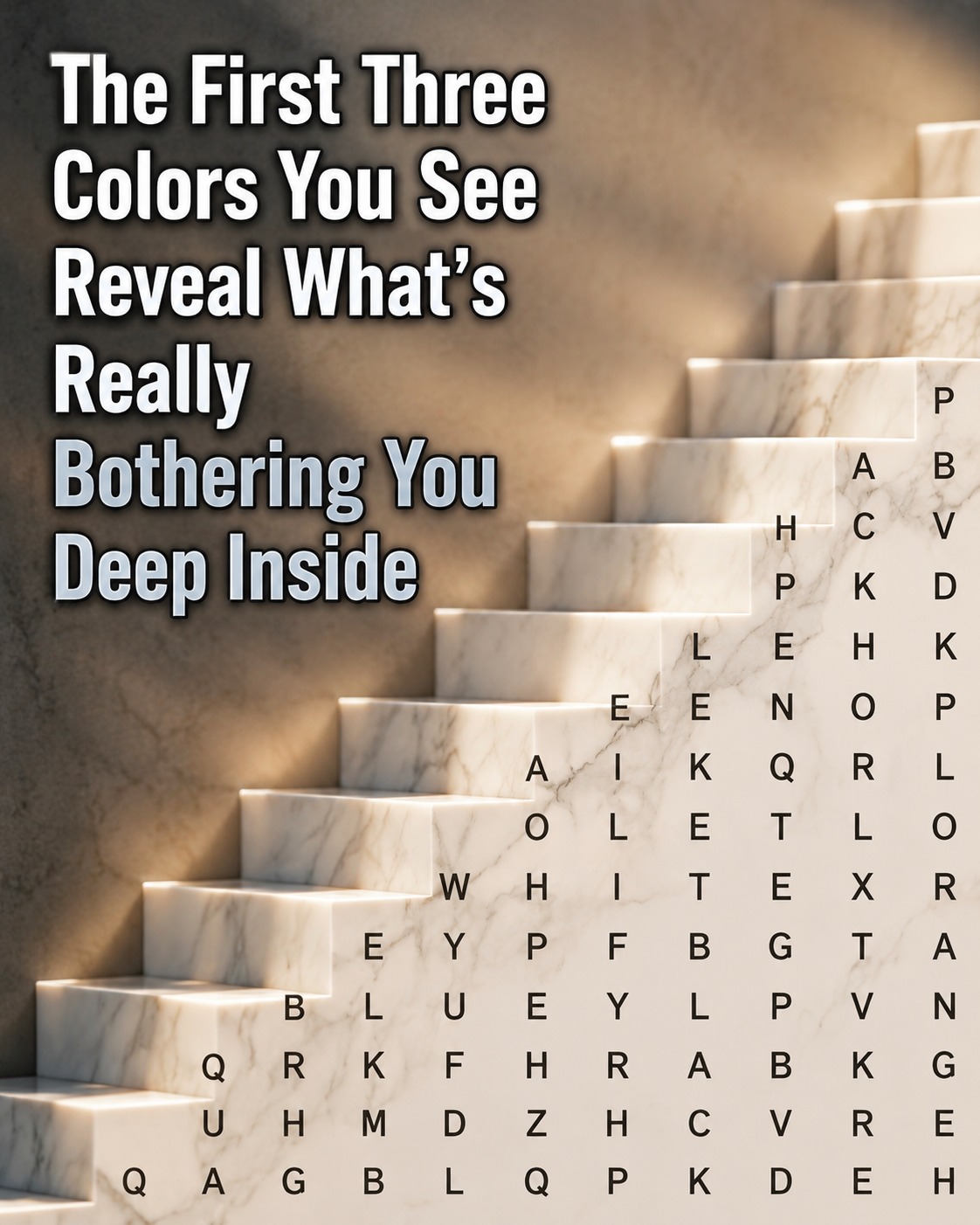
How a Simple Color Observation Exercise Encourages Personal Reflection
The Growing Appeal of Color-Based Personality Activities
Color-focused personality exercises continue to attract attention from people looking for an engaging way to think about their emotions, attitudes, and daily experiences. These activities are widely shared because they are easy to understand and invite participants to consider how they respond to visual information.
Rather than serving as formal assessments, these exercises are intended as a fun opportunity for self-reflection. Participants are typically asked to identify the color that first catches their attention and then compare that choice with a set of general personality descriptions.
The popularity of these visual challenges lies in their simplicity. A quick glance at a colorful image can prompt individuals to pause for a moment and consider their current mindset, priorities, and personal characteristics.
Many people enjoy exploring these interpretations because they offer a fresh perspective on familiar feelings and experiences. While the results are not designed to provide definitive answers, they often encourage thoughtful consideration of personal strengths and goals.
What Noticing Red First May Suggest
For some participants, red is the first color that stands out. This vibrant shade is frequently associated with strong emotions, determination, and an energetic approach to life.
Individuals who are drawn to red may enjoy pursuing objectives with confidence and enthusiasm. They often appreciate taking initiative and tackling challenges directly rather than waiting for circumstances to change on their own.
Red is commonly linked to action and motivation. Those who notice it quickly may identify with a desire to move forward, accomplish goals, and make the most of new opportunities that come their way.
The color is also connected with passion and commitment. Whether applied to personal ambitions, relationships, or everyday activities, this interpretation suggests a willingness to invest effort and remain focused on meaningful pursuits.
People who relate to the characteristics associated with red may view obstacles as opportunities for growth. The color’s symbolism often emphasizes resilience and a readiness to face challenges with determination.
The Meaning Often Associated With Blue
Blue is frequently linked to calmness, stability, and trust. When this color is among the first noticed, it may reflect a preference for balance and meaningful relationships.
Many interpretations connect blue with thoughtful reflection and emotional steadiness. Individuals attracted to this color may appreciate moments of quiet and enjoy taking time to evaluate important decisions carefully.
The color is also commonly associated with honesty and reliability. People who identify with blue may place significant value on sincere communication and strong personal connections.
Another characteristic often connected to blue is a desire for peace. Rather than seeking constant excitement, those drawn to this color may prefer environments that promote comfort, understanding, and cooperation.
Blue is regularly viewed as a symbol of trust. As a result, participants who notice it first may feel most fulfilled when surrounded by dependable relationships and situations that provide a sense of security.
This interpretation highlights the importance of focusing on what truly matters. It suggests an appreciation for meaningful experiences rather than distractions that offer only temporary satisfaction.
Why Yellow Captures Attention for Some People
Yellow is often associated with positivity, creativity, and curiosity. Participants who notice this color first may relate to qualities linked with exploration, learning, and fresh thinking.
Many color interpretations describe yellow as a symbol of optimism. Individuals drawn to it may naturally focus on possibilities and look for encouraging perspectives even when facing everyday challenges.
The color is also connected with innovation and imagination. Those who identify with yellow may enjoy generating ideas, exploring different viewpoints, and finding unique approaches to solving problems.
Curiosity is another theme commonly linked to yellow. People who are attracted to this shade may have a strong interest in discovering new information and expanding their understanding of the world around them.
Because yellow is frequently associated with energy and brightness, it is often viewed as a color that reflects enthusiasm for growth and development. This interpretation suggests a willingness to embrace new experiences and continue learning.
For many participants, the description connected to yellow serves as a reminder of the value of creativity and open-minded thinking in daily life.
The Symbolism Commonly Linked to Green
Green is widely connected with balance, harmony, and renewal. Those who notice it quickly may identify with themes related to personal development and emotional well-being.
Many interpretations describe green as a color that represents growth. This can apply to personal goals, relationships, or efforts to create a healthier and more fulfilling lifestyle.
The color is also associated with stability. Individuals who are drawn to green may appreciate routines, supportive connections, and environments that promote a sense of security.
Another common theme linked to green is emotional balance. People who identify with this color may value maintaining harmony in different areas of life and working toward positive outcomes in their interactions with others.
Healthy relationships are frequently included in descriptions related to green. This interpretation suggests an appreciation for trust, understanding, and mutual support.
Renewal is another important aspect of the color’s symbolism. Participants who connect with green may enjoy opportunities to improve, adapt, and move forward with a renewed sense of purpose.
Why Color Interpretations Should Be Viewed Carefully
Although color-based personality exercises remain popular, they are not intended to serve as exact measures of character or behavior. The results are general interpretations rather than definitive conclusions.
People may notice specific colors for a wide variety of reasons. Personal preferences, past experiences, emotional associations, and even the arrangement of colors within an image can influence which shade attracts attention first.
Visual design also plays an important role. The placement, contrast, and intensity of colors can affect how viewers perceive an image and where their eyes naturally focus.
Because many factors influence visual attention, color observations should be approached as an entertaining activity rather than a scientific evaluation.
The value of these exercises often comes from the opportunity they provide for reflection. Reading a description may encourage participants to think about their goals, emotions, and personal priorities in a new way.
Whether or not an interpretation feels accurate, the process of considering different personality traits can inspire greater self-awareness and thoughtful discussion.
A Simple Exercise That Encourages Reflection
One reason color-based challenges remain widely enjoyed is their ability to create a brief moment of introspection. In a matter of seconds, participants are invited to focus on a simple visual choice and consider what it might reveal about their current outlook.
Some people may identify strongly with the characteristics associated with their chosen color, while others may simply find the descriptions interesting. Both responses contribute to the appeal of these activities.
The exercise encourages individuals to think about qualities such as determination, calmness, creativity, balance, and personal growth. These themes are relevant to many aspects of everyday life.
Regardless of which color attracts attention first, the experience can serve as a reminder to reflect on personal values and priorities. Taking a brief pause to consider one’s mindset may offer a fresh perspective on current challenges and opportunities.
Red, blue, yellow, green, and other colors each carry symbolic meanings that people have explored for years. While these interpretations are not exact indicators of personality, they continue to capture interest because they encourage curiosity and self-examination.
In the end, the exercise is best viewed as a lighthearted way to explore thoughts and feelings. A simple color observation may not provide definitive answers, but it can inspire meaningful reflection about the qualities that matter most and the direction a person hopes to pursue.
