
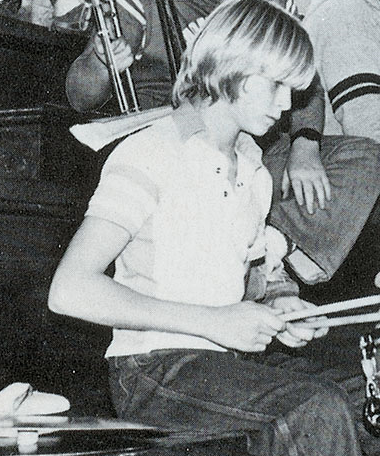
Kurt Cobain’s story is one of the most powerful and tragic journeys in music history. Long before he became the voice of a generation and the frontman of one of the most influential rock bands ever formed, he was simply a young boy growing up in a struggling working-class family in the small town of Aberdeen, Washington. His rise from a troubled childhood to worldwide fame changed the landscape of modern music forever, but the same sensitivity and emotional intensity that fueled his creativity also contributed to his personal struggles.
Born on February 20, 1967, at Grays Harbor Hospital in Aberdeen, Kurt Donald Cobain entered a family where music was always present in some form. His father worked as an auto mechanic while his mother supported the family as a waitress. Although they lived a modest life, several relatives had musical backgrounds, and creativity surrounded him from an early age.
Those close to Kurt during his childhood often described him as energetic, cheerful, and highly imaginative. He loved drawing cartoon characters and spent hours sketching scenes inspired by television shows and movies. Family members quickly realized that he also possessed unusual musical talent. According to his aunt Mari, Kurt began singing when he was only two years old.
By the time he turned four, he was already experimenting with musical instruments. He played piano, made up melodies, and created little songs inspired by moments from daily life. Music became one of the most important emotional outlets for him, even before he fully understood it himself.
As a child, Kurt listened to a wide range of artists and styles. Bands like Electric Light Orchestra influenced him early on, while songs such as “Hey Jude” by The Beatles and “Seasons in the Sun” by Terry Jacks became part of the soundtrack of his youth. These musical influences would later help shape the emotional depth and melodic style that made his own songwriting so memorable.
Despite his creative gifts, Kurt’s early happiness did not last forever. When he was around nine years old, his parents divorced, and the separation deeply affected him. Friends and relatives noticed dramatic changes in his personality almost immediately. The once outgoing and cheerful boy became withdrawn, angry, and increasingly rebellious.

Kurt later admitted that the divorce left emotional scars that stayed with him throughout his life. He longed for stability and a traditional family environment, something he felt had been taken away from him. In interviews years later, he openly discussed how much resentment he carried toward both parents after the separation.
The situation became even more difficult when both of his parents entered new relationships. Kurt struggled to adapt to his father’s remarriage and often felt like an outsider within the blended family. Meanwhile, his mother became involved in a relationship that reportedly involved domestic violence. Witnessing abuse inside the home created even deeper emotional wounds during his formative years.
As life at home grew more unstable, Kurt’s behavior at school also changed. He became defiant toward authority figures and lost interest in traditional academic life. Teachers and counselors often struggled to connect with him. Although he showed talent in sports and other activities, he frequently resisted participation simply because he disliked being told what to do.
By his teenage years, Kurt increasingly felt disconnected from the environment around him. He disliked the culture of his hometown and once described Aberdeen as being filled with prejudice and narrow-minded attitudes. He found it difficult to relate to many of his classmates and often felt isolated.
During high school, Kurt was bullied and misunderstood by many of his peers. After developing a friendship with a gay student, rumors spread throughout the school that Kurt himself was gay. The teasing and harassment became intense at times, but Kurt later explained that he eventually stopped caring about the assumptions people made about him.
Rather than trying to fit in, he embraced being different. He dyed his hair unusual colors, dressed unconventionally, and openly rejected the social expectations placed on him. His identity became closely tied to rebellion and nonconformity, themes that would later become central to his music.
Throughout these difficult years, art remained one of the few constants in his life. Kurt continued drawing obsessively and poured his emotions into creative expression. Some teachers criticized his artwork as inappropriate or controversial, but he never stopped creating.

Eventually, his family situation deteriorated further. Near the end of high school, Kurt discovered he did not have enough credits to graduate. Shortly afterward, his mother reportedly told him he either needed to find a job or move out. Soon, his belongings were packed up, and he found himself without a stable home.
During this period, Kurt moved between friends’ houses and temporary living arrangements. Stories later emerged claiming he had lived beneath a bridge near the Wishkah River, an image strongly associated with the Nirvana song “Something in the Way.” While some of his close friends later disputed the literal truth of the story, the image became symbolic of the loneliness and instability he experienced during that time in his life.
A major turning point came when Kurt became immersed in the local punk rock scene around Seattle. He discovered underground music that connected with his anger, frustration, and emotional honesty. Punk and hardcore music offered him a sense of belonging and purpose that he had struggled to find elsewhere.
He began attending live shows regularly, inspired by the raw energy and emotional intensity of the performers. These experiences shaped his vision for what music could become. It was no longer simply entertainment for him—it became a powerful form of emotional expression.
After leaving school, Kurt worked a series of temporary jobs, including a brief period as a janitor at his former high school. However, conventional employment never suited him. His true focus remained music.
Eventually, he formed Nirvana, the band that would completely transform rock music in the early 1990s. Before achieving global fame, the group went through several lineup changes and struggled financially while building a following in the underground music scene.
In 1989, Nirvana released their debut album, Bleach, through Sub Pop Records. Although the album gained attention within alternative music circles, the band’s true breakthrough came after drummer Dave Grohl joined the lineup.
With Grohl’s powerful drumming and Kurt’s emotionally raw songwriting, Nirvana released Nevermind in 1991. The album’s lead single, “Smells Like Teen Spirit,” exploded into mainstream success almost overnight.
The song became an anthem for an entire generation. Its mixture of aggression, vulnerability, and authenticity resonated deeply with young listeners around the world. Suddenly, Nirvana found themselves at the center of a cultural movement.
Kurt Cobain became one of the most recognizable musicians on the planet. His music gave a voice to many people who felt disconnected, frustrated, or misunderstood. Through deeply personal lyrics and a rejection of traditional rock-star glamour, he changed what mainstream music sounded and felt like.
Nirvana sold millions of records worldwide and helped push grunge and alternative rock into the center of popular culture. Yet the overwhelming fame came with enormous pressure.
As his celebrity status grew, Kurt struggled increasingly with heroin addiction, chronic physical pain, and depression. The constant attention from the media made it difficult for him to cope with daily life. His marriage to fellow musician Courtney Love attracted intense public scrutiny, adding even more stress to an already fragile emotional state.

Despite his enormous success, Kurt often felt uncomfortable with fame and deeply conflicted about the expectations placed upon him. Friends and colleagues frequently described him as sensitive, introspective, and emotionally overwhelmed by the pressures surrounding him.
On April 8, 1994, Kurt Cobain was found dead at his Seattle home at the age of 27. Authorities determined that he had died several days earlier from a self-inflicted gunshot wound. His death shocked the world and marked one of the most devastating moments in modern music history.
At the time of his passing, his estate was estimated to be worth tens of millions of dollars. However, disputes over his legacy, royalties, and image would continue for years after his death.
Even decades later, Kurt Cobain’s influence remains enormous. His music continues to inspire new generations of listeners and musicians who connect with the honesty and emotional vulnerability that defined his work.
What made Kurt truly unique was not only his talent but also his willingness to expose pain, insecurity, and imperfection through his art. He transformed deeply personal struggles into music that millions of people understood and embraced.
Though his life ended tragically, his impact on music and culture has never faded. Kurt Cobain remains one of the most important and influential artists in rock history, remembered not only for his success but for the raw humanity that made his voice unforgettable.

