
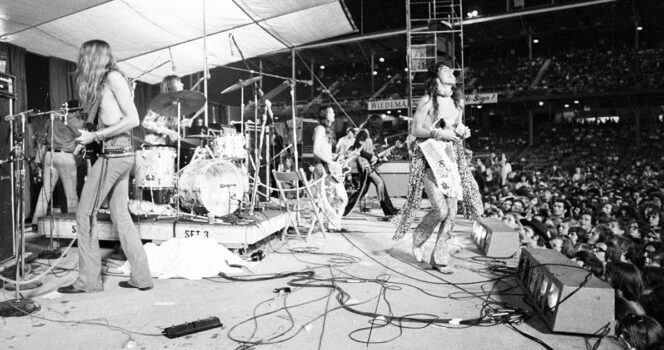
He didn’t look like the kind of child who would one day redefine an entire genre of music or challenge the boundaries of performance art. By all outward appearances, he grew up in a fairly typical American household, shaped by structure, faith, and routine. Yet beneath that ordinary beginning was a personality that would eventually evolve into one of the most recognizable and provocative figures in rock history.
Born in Detroit in 1948 as Vincent Furnier, he was raised in a working-class family where discipline and creativity coexisted. His father was a Protestant pastor known for his ability to captivate audiences with storytelling, humor, and energy. Those qualities, though expressed in a very different setting, would later influence his son’s own stage presence. Music was also a part of family life. Artists like Frank Sinatra and Elvis Presley were frequently heard in the household, leaving an early imprint that would resurface years later.
His childhood memories were filled with vivid personalities. Extended family members brought color and unpredictability into his life—relatives who seemed almost larger than life, each with their own distinct character. These early experiences contributed to a rich imagination, though at the time, there was little indication that he would pursue anything outside a conventional path.
As a young boy, his greatest passion was baseball. He spent countless hours on the field, fully immersed in the sport. It wasn’t just a pastime—it was his identity. He envisioned a future tied to athletics, and for a while, that seemed entirely possible. However, his health would eventually alter that trajectory. Struggling with severe asthma, he experienced frequent attacks that made physical activity increasingly difficult. On medical advice, his family relocated to Phoenix, Arizona, where the dry climate offered some relief.
The move marked a turning point. In high school, he adjusted well, becoming popular and active in school life. He appeared to be thriving socially and academically, fitting comfortably into the expectations placed on him. But everything changed after a single moment that would redirect his future entirely.
Watching a televised performance by The Beatles sparked something unexpected. What had once been a distant interest suddenly became an obsession. Music, which had been present in the background of his life, moved to the forefront. Inspired by what he saw, he began exploring the idea of performing himself.
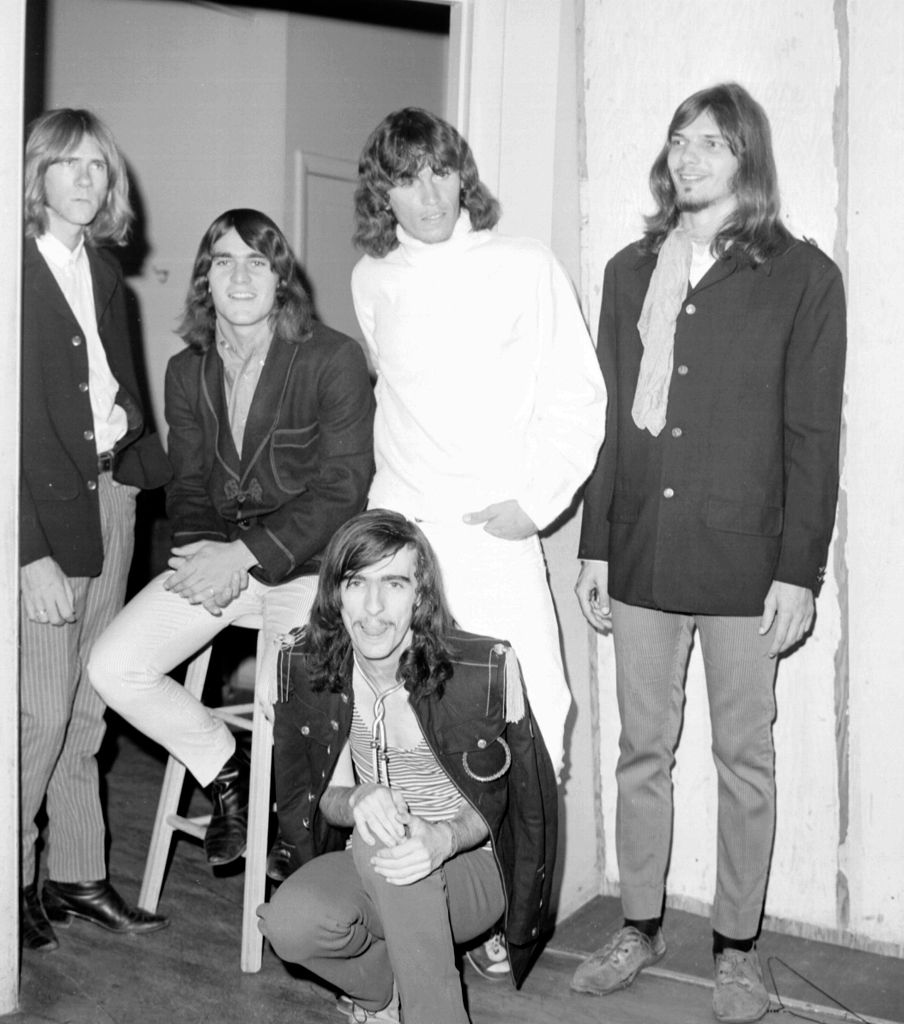
At first, it was nothing more than a joke. Along with a friend, he formed a parody band for a school talent show. They dressed up, wore wigs, and imitated popular songs. The group called themselves “the Earwigs,” and the performance was meant purely for entertainment. However, the reaction they received from their peers was surprising. The audience embraced the act, and what started as humor began to feel like something more meaningful.
Encouraged by that response, the group expanded. More members joined, instruments were added, and the performances became more refined. The band evolved into a more serious musical project, eventually adopting a new name and beginning to perform at local events. They moved beyond imitation and began developing their own sound and identity.
After high school, they made a bold decision to pursue music professionally. Relocating to Los Angeles, they entered a competitive and unforgiving environment. The early days were difficult. Financial instability, uncertain opportunities, and the constant pressure to succeed made it a challenging period. Yet they persisted, driven by ambition and a growing sense of purpose.
What began to distinguish them was not just their music, but their presentation. Their performances incorporated theatrical elements rarely seen at the time. Dark imagery, dramatic staging, and unconventional themes transformed their shows into immersive experiences. This approach shocked many audiences, particularly older generations, but it also attracted a loyal following among younger fans.
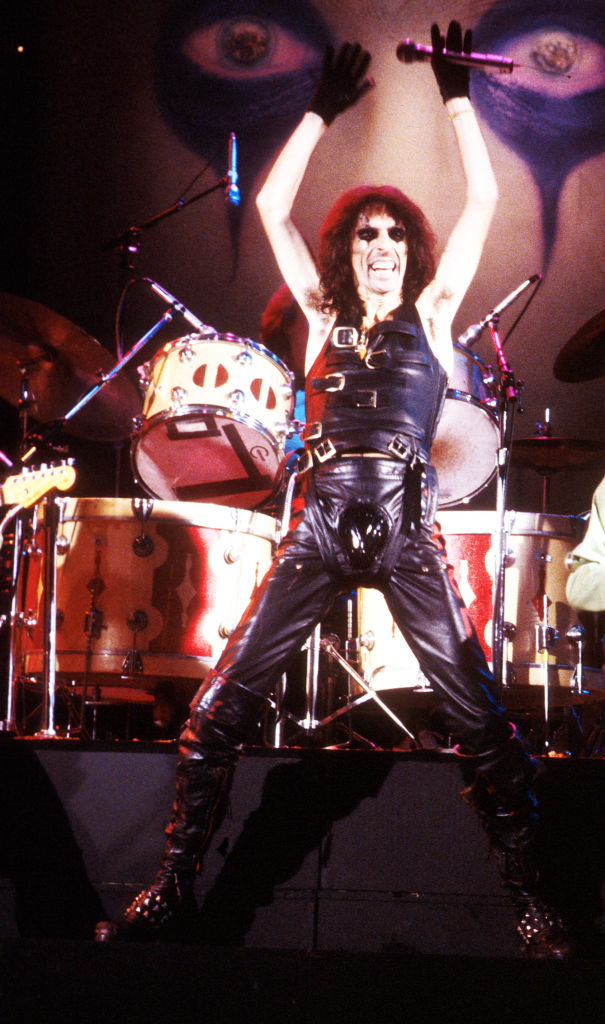
By the early 1970s, their efforts began to pay off. Songs that captured the rebellious spirit of youth gained widespread attention. Their unique blend of music and visual storytelling set them apart, establishing a new style that would later be recognized as a defining influence in rock history.
However, success brought its own challenges. The pressures of fame, constant touring, and the expectations of maintaining a public persona began to take a toll. Alcohol, initially part of the lifestyle surrounding the music scene, gradually became a serious issue. For a long time, it remained unnoticed or unaddressed, as it did not fit the typical image of destructive behavior. He continued to function professionally, which made it easier to overlook the growing problem.
Over time, the impact became undeniable. His health deteriorated, and his personal life began to suffer. There were moments he later admitted he could not remember, including periods spent recording music. Eventually, the situation reached a critical point, leading to hospitalization. Malnourished and physically weakened, he faced a reality that could no longer be ignored.
In the early 1980s, he made the decision to confront his addiction. The process of recovery required significant changes, both personally and professionally. He stepped away from the chaos that had defined much of his career and focused on rebuilding his life. This period marked a shift toward stability, reflection, and renewed priorities.
Gradually, he returned to music, but with a different perspective. The comeback was not immediate, but it demonstrated resilience and determination. He managed to reestablish himself in an industry that had evolved during his absence, proving that his influence had not faded.
Over the years, he became widely recognized as a pioneer of a distinct style of rock performance—one that combined music with theatrical storytelling. His work drew inspiration from various sources, including film, stage performance, and earlier forms of entertainment. This fusion created a unique artistic identity that continued to resonate with audiences.

Beyond his public persona, his personal life also found stability. He maintained a long-term marriage and became a father, emphasizing the importance of family in contrast to the unpredictability of his earlier years. He also engaged in philanthropic efforts, contributing to community initiatives focused on youth development and creative expression.
In later life, he has spoken openly about his journey, including the struggles and lessons learned along the way. His story reflects not only artistic innovation but also personal transformation. From a child with a passion for baseball to a figure who redefined performance in music, his path has been shaped by unexpected turns, challenges, and growth.
Today, he is often regarded as a foundational influence in his field. His contributions have left a lasting impact, not only on music but on the broader concept of live performance. Despite the controversies and challenges that marked different stages of his career, his legacy is defined by creativity, resilience, and the ability to evolve.
What began as an ordinary life eventually became something far more complex and influential. His journey serves as a reminder that transformation often comes from unexpected places, and that even the most unlikely beginnings can lead to extraordinary outcomes.

