
Why Houseplant Myths Continue to Thrive in Modern Homes
The Lasting Appeal of Indoor Plants
Houseplants have become a common feature in homes, apartments, and workplaces across the world. Whether it is a small succulent on a desk or a large leafy plant filling a living room corner, these living elements often serve a purpose that goes beyond decoration.
Many people associate plants with comfort, growth, and renewal. Their presence can make indoor spaces feel more welcoming, calmer, and more connected to nature.
Alongside their growing popularity, a wide range of beliefs has formed around certain plants. These ideas are shared through families, friends, and online communities, gradually becoming part of everyday home culture.
Even when scientific evidence is limited, these beliefs remain influential because they offer emotional reassurance and a sense of meaning.
Why People Attribute Meaning to Plants
One reason houseplant myths persist is the human desire for stability and comfort. Life often feels uncertain, and people naturally look for simple ways to bring balance into their surroundings.
A plant placed in a home becomes more than an object. It becomes a living presence that responds to care and attention.
As it grows, it provides visible evidence of change over time. For many, this growth becomes symbolic of personal progress and resilience.
Because of this connection, it is common for people to attach emotional or symbolic meaning to the plants they keep.
Ideas about luck, energy, protection, or prosperity often emerge from this tendency to find deeper significance in everyday life.
Even without measurable effects, these beliefs feel meaningful because they align with hope and optimism.
Symbolism in Popular Houseplants
Different plants are often associated with different symbolic meanings.
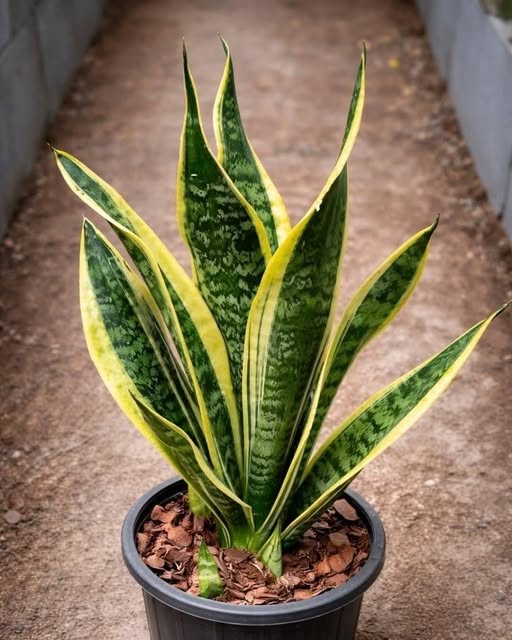
The snake plant, for example, is frequently viewed as a symbol of protection due to its strong, upright structure and hardy nature.
Many people who keep snake plants appreciate the idea that it represents stability and security within the home.
Another commonly discussed plant is the money plant, which is often linked to ideas of prosperity and financial growth.
It is frequently given as a gift to mark new beginnings or important milestones, reflecting hopes for success and abundance.
Although these associations are symbolic rather than scientific, they remain powerful because they help people express aspirations in a tangible way.
Surrounding oneself with meaningful objects can reinforce positive thinking and emotional motivation.
Plants and Ideas About Rest and Calm
Some houseplants are also connected with relaxation and sleep.
Lavender is one of the most widely recognized examples, often associated with calmness and restful environments.
Placed in bedrooms or quiet spaces, it is commonly linked to routines that signal rest and winding down.
Even the simple act of seeing a familiar plant before sleep can create a sense of comfort and consistency.
Over time, these habits can become meaningful parts of a person’s nightly routine.
Whether the calming effect comes from the plant itself or from the ritual surrounding it, the experience often feels beneficial.
The Emotional Power of Growth
Houseplant beliefs endure in part because they provide emotional encouragement.
People often face stress related to work, relationships, and personal challenges. During such times, even small sources of hope can feel important.
A growing plant can serve as a quiet reminder that improvement is possible.
Its steady development reflects resilience, as it continues to grow despite setbacks such as dry soil, limited light, or seasonal change.
These natural patterns often mirror human experiences of recovery and progress.
As a result, the symbolism of plants can feel personally meaningful even without literal or scientific backing.
The presence of a healthy plant can influence mood and mindset, offering a sense of reassurance in daily life.
Daily Care and Mindfulness
Caring for houseplants introduces simple routines into everyday life.
Tasks such as watering, pruning, and checking light conditions create moments of focus and attention.
These small routines can help interrupt fast-paced thinking and provide brief pauses in busy schedules.
In a world filled with constant distractions, plant care offers an opportunity to slow down and engage with something tangible and living.
This process often encourages mindfulness by shifting attention to the present moment.
Rather than focusing on future concerns or past experiences, individuals concentrate on the immediate needs of the plant.
Over time, this can help build patience, since plant growth occurs gradually rather than instantly.
The slow development of plants contrasts with the speed of modern life, making their rhythm feel calming and grounding.
Practical Benefits Behind the Myths
While many houseplant myths focus on luck or energy, the real benefits of indoor plants are often more practical.
Plants can enhance the appearance of indoor spaces by adding color, texture, and a sense of liveliness.
Greenery often makes rooms feel more comfortable and visually balanced.
Caring for plants can also encourage people to take greater care of their surroundings overall.
This sense of responsibility can lead to more organized and pleasant living environments.
In addition, successfully maintaining a plant can provide a sense of achievement.
Each new leaf or sign of growth can feel like a reward for consistent attention and care.
These small moments of success can contribute to confidence and emotional well-being.
Emotional Connections With Plants
The relationship people develop with houseplants is often personal and meaningful.
Some plants are received as gifts, while others are connected to memories, milestones, or family traditions.
These associations can give plants sentimental value beyond their physical presence.
For many individuals, caring for plants becomes a form of self-care.
The patience and attention required in plant care often reflect qualities that people also need to extend toward themselves.
This emotional connection helps explain why houseplant myths remain popular even when they lack scientific confirmation.
The comfort they provide can be more influential than factual accuracy.
People may begin caring for plants because of symbolic beliefs, but they often continue because of the emotional benefits they experience.
The Meaning of Gradual Growth
Perhaps the most lasting lesson houseplants offer is not about luck or mystical influence, but about patience and time.
Plants develop slowly, requiring consistent care and attention.
Periods of little visible change are followed by moments of noticeable growth.
This cycle closely resembles many aspects of human development and personal progress.
Meaningful change rarely happens quickly. It often unfolds gradually through repeated effort and patience.
A plant quietly demonstrates this principle through its natural growth process.
It provides a simple, ongoing reminder that progress continues even when it is not immediately visible.
A Quiet Source of Comfort in Modern Life
Although houseplants do not influence luck, energy, or fate, they still play an important role in many homes.
Their presence can improve the atmosphere of a space and encourage healthier daily habits.
More importantly, they can influence how people feel within that space.
Houseplants offer companionship, structure, and a sense of continuity in everyday life.
They remind people that care produces results and that growth happens over time.
These qualities help explain why myths surrounding plants continue to circulate.
Even without literal truth, the emotional meaning behind them remains powerful.
In the end, houseplants endure not because they are believed to hold magical properties, but because they help people feel more connected, more patient, and more grounded in their own lives.

