
The Meaning Behind the Fig Gesture and Its Enduring Place in Cultural Tradition
A Familiar Hand Position With Unexpected Meaning
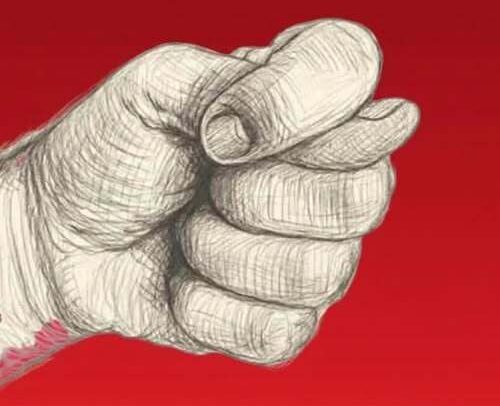
At first glance, the fig gesture appears simple enough to overlook. It resembles an ordinary closed fist, a hand position that most people would not think twice about. Yet one distinctive detail changes everything: the thumb is tucked between the fingers.
That small adjustment transforms an otherwise ordinary gesture into a symbol with a remarkably long cultural history. For generations, people across different regions recognized this hand sign and understood that it carried meanings extending far beyond its simple appearance.
Known as the fig gesture, it has been associated with refusal, humor, protection, and social communication. Although it is not commonly seen in everyday interactions today, it remains one of the most intriguing examples of how people once conveyed messages without speaking.
Its story reveals how a simple movement of the hand could communicate emotions, opinions, and traditions that were immediately understood by those familiar with its meaning.
A Gesture Rooted in Centuries of Tradition
The fig gesture is created by closing the hand into a fist while positioning the thumb between the fingers. To modern observers unfamiliar with its background, it may appear unusual but otherwise harmless.
Historically, however, the gesture carried different meanings depending on where it was used and who was interpreting it. Across various communities, it evolved into a symbol that could represent a range of ideas and emotions.
In some regions, it signaled disagreement or refusal. In others, it appeared in playful exchanges among relatives and friends. Certain traditions even viewed it as a protective symbol capable of warding off bad luck or unwanted influences.
Because its meaning shifted according to local customs, the gesture never belonged to a single interpretation. Instead, it became a flexible form of communication shaped by the communities that adopted it.
Its widespread recognition demonstrates how cultural practices can develop through everyday interactions and remain meaningful across generations.
Learning Through Observation and Tradition
Unlike formal language, gestures are often learned naturally through observation. People do not always receive direct instruction about their meanings. Instead, they absorb them through daily life.
Children might see parents or grandparents using a gesture during conversation. Friends could exchange it during moments of humor. Relatives might use it during ordinary family interactions.
Over time, these repeated experiences help establish a shared understanding. The gesture becomes part of a community’s cultural vocabulary without requiring lengthy explanations.
The fig gesture followed this pattern. Its meanings were often passed from one generation to another through casual use rather than formal teaching.
This organic transmission helped preserve the gesture for centuries and allowed it to become woven into everyday social life.
Communication Before the Digital Age
Long before smartphones, instant messaging, and social media transformed communication, people relied heavily on nonverbal signals.
Facial expressions, posture, eye contact, and hand movements all played important roles in conveying information. A gesture could communicate an opinion or reaction instantly, often without interrupting a conversation.
The fig gesture belonged to this broader world of silent communication. It offered a way to express thoughts and feelings without speaking aloud.
In many situations, such subtle communication proved useful. A person could signal disagreement, express resistance, or convey a private message without creating a public scene.
Its effectiveness often came from its simplicity. The gesture required no explanation among those who already understood its meaning.
A Symbol of Refusal and Disagreement
In many European communities, the fig gesture became closely associated with refusal.
Rather than engaging in a loud argument or direct confrontation, individuals could use the gesture to indicate that they rejected a request or disagreed with a proposal.
This silent form of communication offered an alternative to open conflict. The message was clear, yet the method remained restrained.
People could use it during private conversations, across a room, or in brief exchanges where words might have escalated tension.
Its effectiveness lay in its ability to communicate firmness without requiring lengthy explanations. The gesture allowed someone to stand by a decision while maintaining composure.
For many communities, that balance between clarity and restraint made it a valuable social tool.
Expressing Boundaries Without Escalation
Over time, the fig gesture came to represent more than simple refusal. It also became associated with personal boundaries and self-assurance.
Individuals could use it to communicate that a matter was settled or that further discussion would not change their position.
Importantly, this message did not necessarily involve hostility. Instead, it reflected confidence and self-control.
Rather than responding with anger or aggression, a person could make the gesture and quietly move on.
In communities where social harmony was valued, such nonverbal signals often helped prevent minor disagreements from becoming larger conflicts.
The gesture therefore served not only as a sign of resistance but also as a practical tool for maintaining social balance.
Protective Symbolism Across Cultures
Beyond its social uses, the fig gesture also acquired symbolic importance in several cultural traditions.
In parts of Eastern Europe and Russia, many people associated the gesture with protection against bad luck and negative influences.
The closed fist represented strength and resilience, while the tucked thumb contributed additional symbolic meaning.
Together, these elements created a hand sign that some believed could help guard against misfortune.
Because the gesture required no special objects or materials, it became an easily accessible symbol. A person could make it at any time and in any place.
Its simplicity likely contributed to its popularity within these traditions.
Whether used seriously or symbolically, the gesture became connected to ideas of security, protection, and personal strength.
From Cultural Symbol to Family Tradition
As generations passed, the fig gesture became part of family customs in many households.
Parents, grandparents, and older relatives sometimes introduced it to younger family members during playful interactions or everyday conversations.
For children, the gesture often carried an element of mystery. Its unusual appearance invited curiosity, and learning its meaning created a sense of belonging within a family tradition.
Many people first encountered the gesture not through historical study but through personal experiences with relatives.
These family connections helped preserve the gesture long after its widespread use began to decline.
Even when people stopped using it regularly, memories of seeing it during childhood often remained vivid.
Humor and Playfulness in Everyday Life
One reason the fig gesture endured for so long was its versatility.
Although it could communicate refusal, it was not always serious. In many situations, it appeared in playful or humorous exchanges.
Friends might use it while teasing one another. Family members could employ it during lighthearted disagreements.
Its meaning often depended on tone, context, and the relationship between the people involved.
Because of this flexibility, the gesture could soften tension rather than create it.
Instead of turning a minor disagreement into an argument, it sometimes provided a humorous way to express resistance while preserving goodwill.
This blend of firmness and playfulness contributed significantly to its lasting appeal.
Changing Forms of Communication
The modern world has dramatically changed how people communicate.
Digital technology allows individuals to share thoughts, emotions, and reactions almost instantly. Text messages, emojis, voice recordings, and social media posts have become everyday communication tools.
As communication increasingly moved into digital spaces, many traditional gestures gradually became less common.
The fig gesture experienced the same decline.
Because fewer people recognized its meaning, it became less practical as a form of everyday communication.
Modern audiences are often more familiar with digital symbols than with historical hand gestures.
As a result, many older forms of nonverbal communication now survive primarily through cultural memory rather than active use.
The Role of Memory and Family Stories
Even though the fig gesture is no longer widely practiced, it remains meaningful to many people because of personal memories.
Family stories often preserve customs long after they disappear from everyday life.
A grandparent’s playful gesture, a parent’s explanation, or a childhood memory can keep a tradition alive across decades.
These personal connections frequently become more important than formal historical records.
Through such memories, gestures continue to carry emotional significance.
They become linked not only to cultural history but also to specific people, places, and experiences.
For many individuals, the fig gesture survives as a reminder of family relationships and shared moments from the past.
What the Gesture Teaches About Human Expression
The history of the fig gesture illustrates an important aspect of human communication.
People have always relied on more than words to express themselves.
Gestures, facial expressions, and physical movements often communicate messages just as effectively as spoken language.
A single gesture can convey disagreement, humor, confidence, affection, or caution depending on the circumstances.
Its meaning emerges from shared understanding between those involved.
The fig gesture demonstrates how even the simplest physical movement can carry layers of cultural and social significance.
What appears to be a minor action may actually reflect generations of tradition and collective experience.
A Lasting Reminder of Cultural Heritage
The fig gesture offers a fascinating glimpse into the ways people once communicated before modern technology reshaped everyday interactions.
Its history encompasses refusal, determination, humor, protection, and family tradition.
Each of these meanings developed through countless interactions within communities and households over many generations.
Although the gesture is rarely encountered today, its cultural significance remains intact.
It serves as a reminder that communication has always been creative and adaptable.
Human beings have long found ways to express complex ideas through simple actions.
The fig gesture stands as an enduring example of that ability.
A tucked thumb inside a closed fist may seem like a small detail, but throughout history it carried messages understood by countless people. Its story highlights the rich traditions that can exist within even the simplest forms of human expression.

