
From Humble Beginnings to Global Fame: The Life and Legacy of Joe Cocker
With a voice instantly recognizable for its raw, gravelly power and emotional depth, Joe Cocker became one of the most distinctive figures in rock and roll history. His performances were known for their intensity, and his interpretations of songs often transformed them into something entirely his own. However, long before international fame and sold-out tours, his story began in far more modest surroundings.
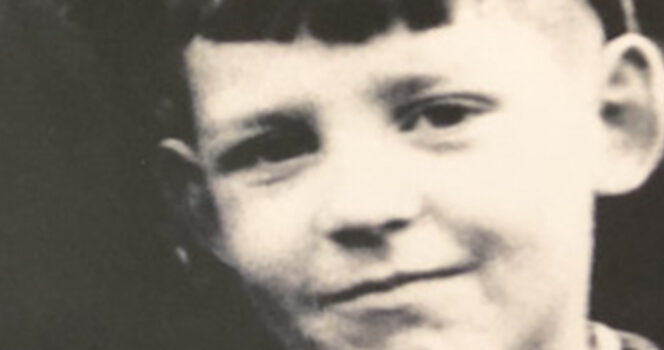
Born as John Robert Cocker during World War II in Sheffield, he grew up in a working-class environment shaped by industry and hardship. Sheffield at the time was a major steel-producing city, and its landscape reflected decades of industrial activity. Thick smoke from factory chimneys and soot-covered buildings were part of everyday life. For those who lived there, these conditions were normal, but they also contributed to a challenging upbringing.
His father served as an aircraftman in the Royal Air Force, while his mother managed the household. Although his home life was relatively stable compared to some narratives often associated with rock musicians, it was still far from easy. Economic limitations and the realities of post-war Britain shaped his early years.
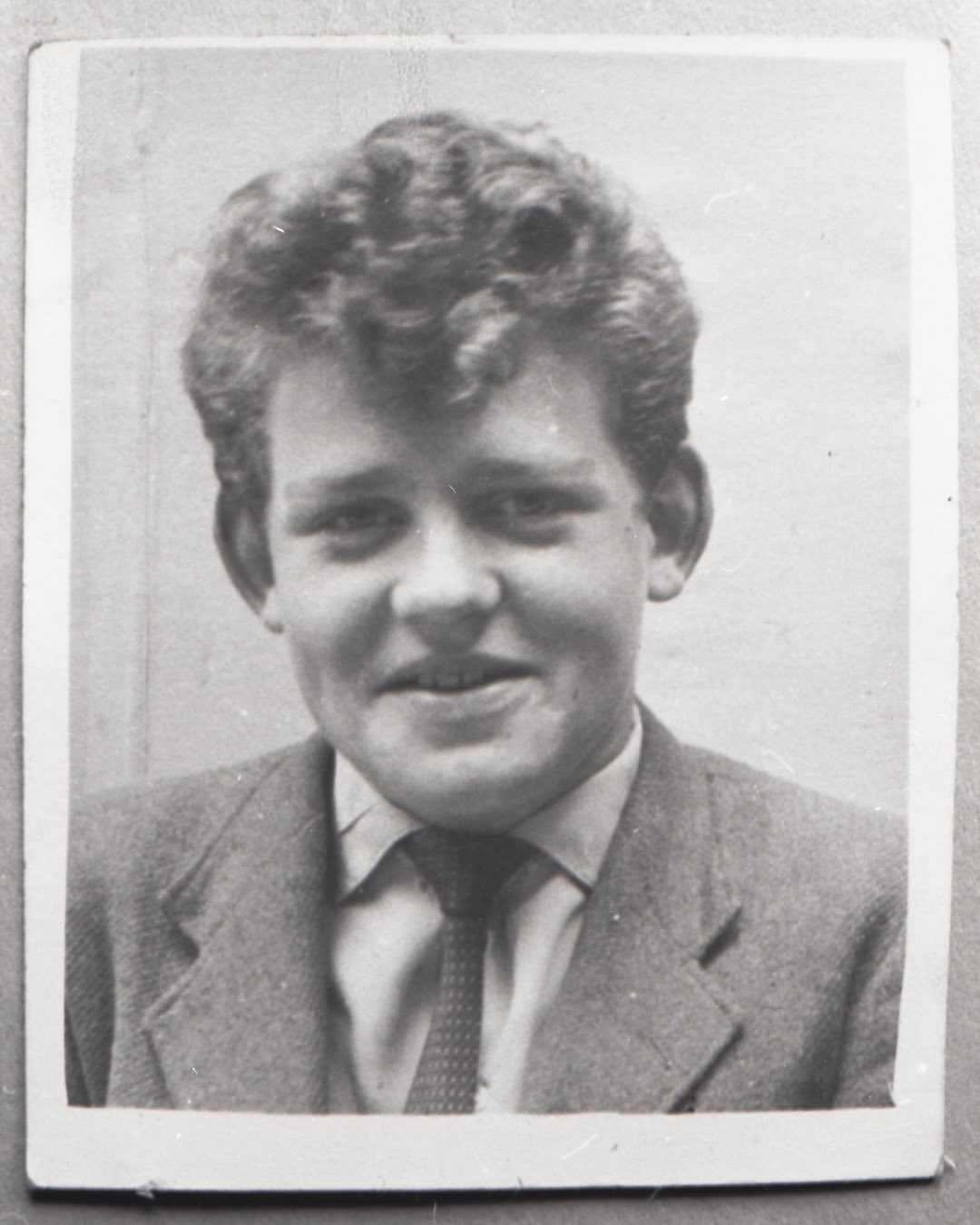
As a child, he did not initially stand out as a future performer. His ambitions were simple: he wanted to leave his hometown and find a different path. He left school at the age of 16 and began working as an apprentice gas fitter. At the same time, he developed a growing interest in music, spending evenings performing in small venues and local clubs.
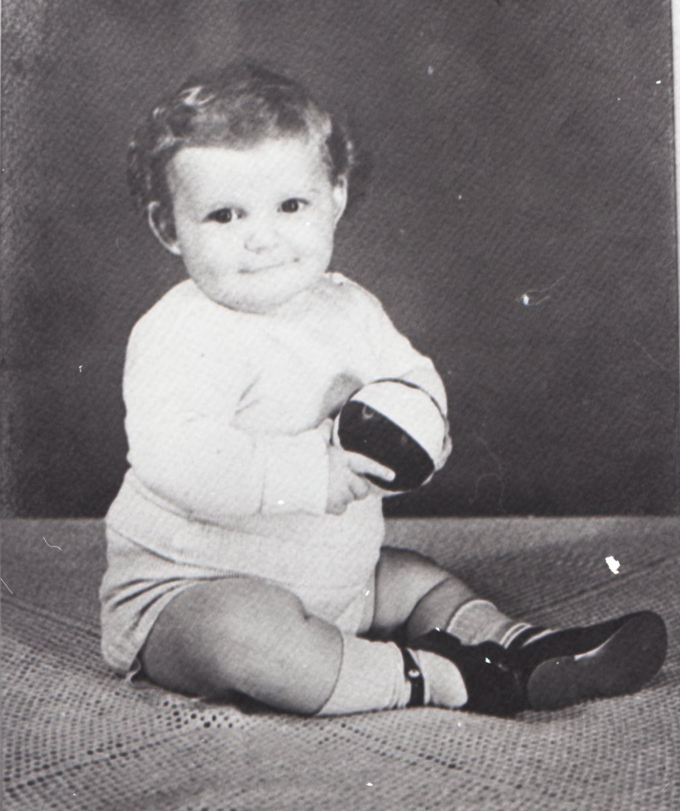
His nickname, “Joe,” became the name under which he would later achieve global recognition. While the exact origin of the nickname is debated, it became central to his identity as an artist. During these early years, he balanced work and music, often performing for small audiences while investing his earnings into recording demo tapes. These efforts were repeatedly rejected, and success did not come quickly.
In the early 1960s, he performed with local blues bands, gradually refining his style. His first significant opportunity came in 1964 when he traveled to London to record a cover of a song by The Beatles under Decca Records. Despite the opportunity, the release did not achieve commercial success.
Rather than abandoning his ambitions, he continued working and performing. He took on various jobs, including packing goods, while maintaining his focus on music. These years were marked by persistence, as he continued to perform despite limited recognition.
A turning point came several years later when he recorded his version of “With a Little Help from My Friends,” originally by The Beatles. The song achieved significant success, reaching number one in the United Kingdom and gaining popularity internationally. This breakthrough opened the door to wider recognition and opportunities.
In 1969, he embarked on his first tour in the United States, followed by the release of the live album Mad Dogs & Englishmen, which reached high positions on American charts. Around this time, he began to develop the performance style that would define his career—emotionally charged, physically expressive, and vocally powerful.
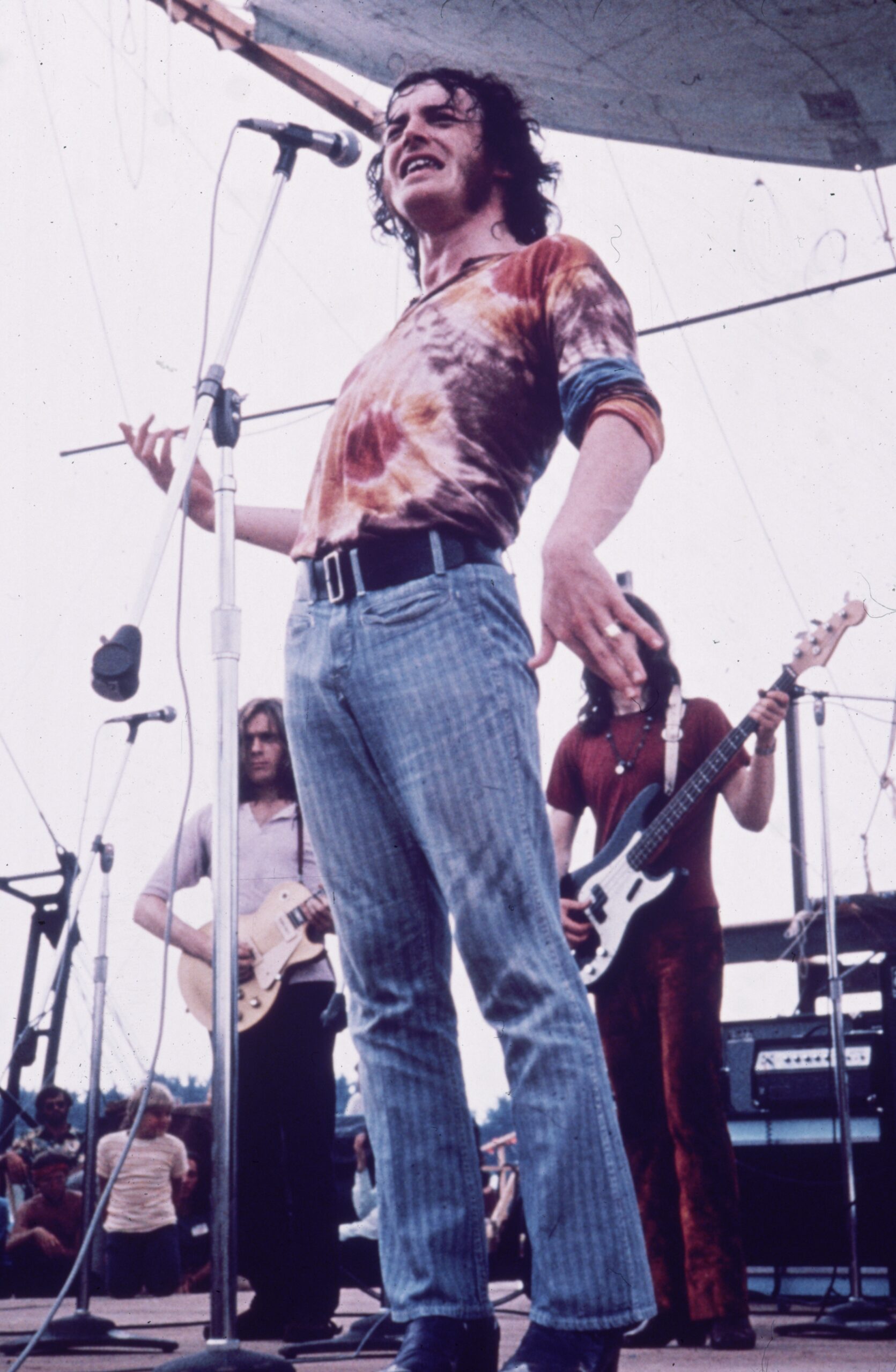
One of the most defining moments of his career occurred at the Woodstock Festival. His performance of “With a Little Help from My Friends” stood out as one of the most memorable of the event. In front of a massive audience, he delivered a version of the song that was both intense and deeply personal. His movements, expressions, and vocal delivery created a performance that resonated strongly with audiences and helped establish his reputation.
Following this breakthrough, he continued to tour extensively. However, the demands of constant travel and performance began to take a toll. During the early 1970s, particularly throughout the Mad Dogs & Englishmen era, his lifestyle became increasingly influenced by substance use. Alcohol, drugs, and the pressures of touring contributed to a period of instability.
His struggles included heavy alcohol consumption and experimentation with substances such as heroin and cocaine. These challenges affected both his personal life and professional reliability. There were instances where performances were disrupted, and his health declined significantly.
During this period, he also faced legal issues. While touring in Australia, he was arrested on charges related to cannabis possession and later involved in another incident that resulted in a brief jail stay. These events reflected the difficulties he faced during this stage of his life.
By the mid-1970s, his situation had reached a critical point. His career appeared uncertain, and his personal well-being was at risk. Despite these challenges, he continued to record music. One notable success during this time was “You Are So Beautiful,” which became a widely recognized song and reached high positions on music charts.
Another major milestone came with the release of “Up Where We Belong,” a duet with Jennifer Warnes. The song became a number one hit in the United States and received a Grammy Award in 1983. It also served as the theme for the film An Officer and a Gentleman, further expanding his reach.
A significant turning point in his personal life occurred in the late 1970s and 1980s when he met Pam Baker. Their relationship brought stability during a period when he was working to overcome his struggles with addiction. They later married in 1987, and she is often credited with helping him establish a more balanced and stable lifestyle.
The couple settled in Crawford, where they lived a more private life away from the constant pressures of touring. During the 1980s and 1990s, he continued to release albums and perform, maintaining a steady presence in the music industry. Albums such as Unchain My Heart, One Night of Sin, and Night Calls contributed to his ongoing success.
He also participated in major global events and performances, including appearances at charity concerts and festivals. His later work continued to reflect his distinctive vocal style, and he remained active in music well into his later years.
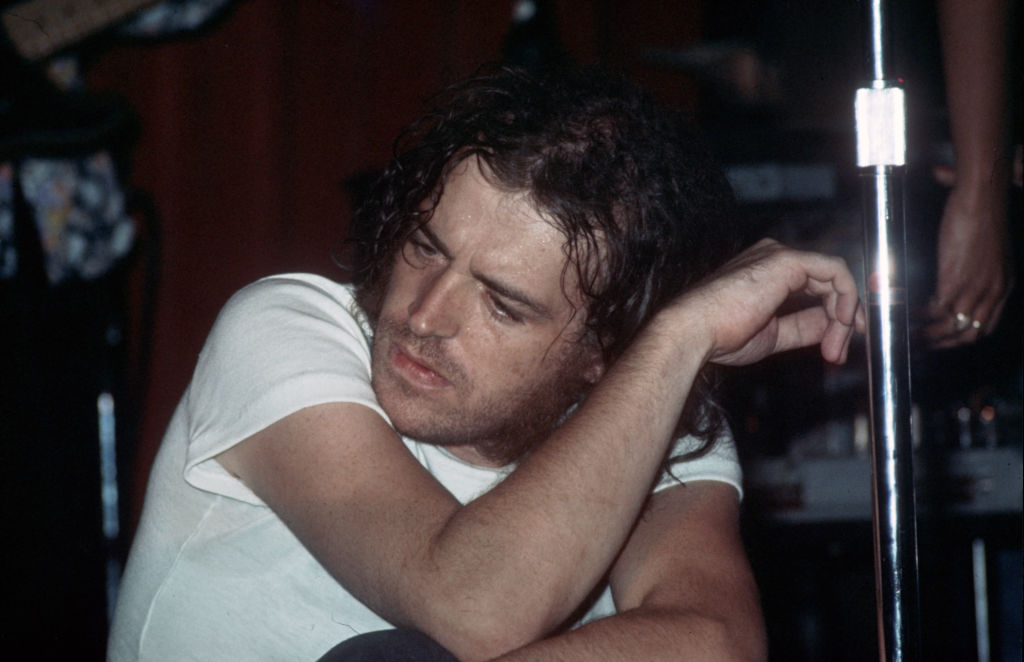
Despite his achievements, his lifestyle in earlier decades had long-term health consequences. He had been a heavy smoker for many years before quitting in 1991. In December 2014, he passed away from complications related to lung cancer at the age of 70.
At the time of his death, his legacy as a performer was firmly established. His music continued to reach audiences around the world, and his recordings remained influential. Financial estimates suggested that his career had generated significant value, with ongoing revenue from his music catalog.
In November 2025, he was posthumously inducted into the Rock and Roll Hall of Fame, an acknowledgment of his lasting impact on the industry.

Joe Cocker’s life reflects a journey marked by persistence, challenges, and transformation. From his early days in Sheffield to international recognition, his path was shaped by determination and a commitment to his craft. His ability to reinterpret songs and deliver performances filled with emotion made him a unique presence in music.
His story demonstrates that success is rarely straightforward. It often involves setbacks, recovery, and continuous effort. Through decades of change, he remained connected to the same passion that first led him to perform in small venues as a young man.
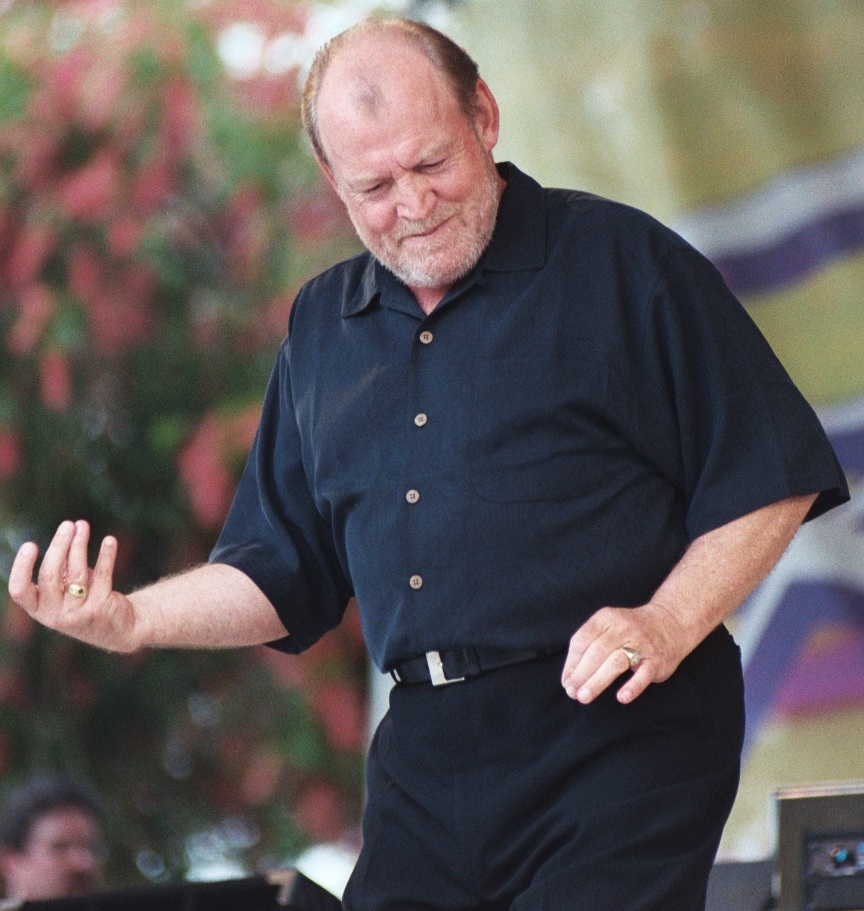
Today, his voice continues to be recognized as one of the most distinctive in rock music. His work remains part of the cultural landscape, and his influence can still be heard in performances that value authenticity and emotional expression.
From a working-class upbringing in an industrial city to global recognition, Joe Cocker’s journey stands as a testament to resilience and dedication.

