
Why Swollen Legs Are Common in Older Adults and What They May Indicate
Understanding Leg Swelling in Seniors
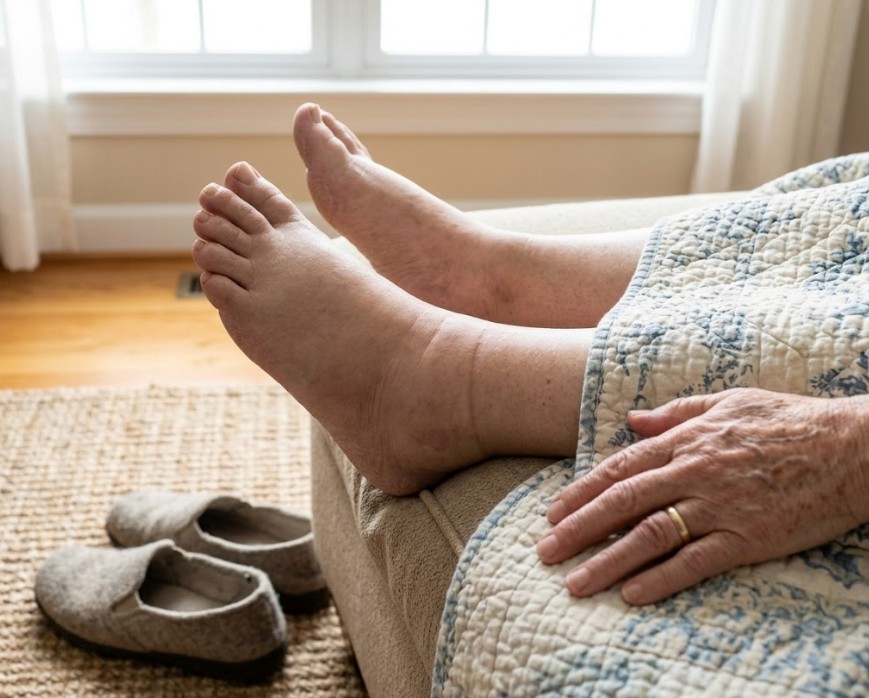
Swollen legs are a common concern among older adults and can range from mild discomfort to a sign of a more serious medical condition. The swelling often affects the feet, ankles, and lower legs, making everyday movement more difficult and uncomfortable.
In many cases, swelling develops gradually and may worsen throughout the day. While occasional swelling can happen after long periods of standing or sitting, persistent or severe swelling should not be ignored.
Understanding the possible causes can help seniors and caregivers recognize when simple lifestyle changes may help and when medical attention may be necessary.
Poor Circulation and Aging Blood Vessels
As people age, the body undergoes natural changes that affect circulation. Veins and blood vessels gradually lose some of their elasticity, making it harder for blood to move efficiently from the legs back toward the heart.
Because gravity naturally pulls fluids downward, blood and fluid can begin collecting in the lower extremities. This often leads to swelling around the feet and ankles.
The problem may become more noticeable after sitting or standing for long periods without movement. Many seniors experience heavier or tighter sensations in their legs by the end of the day due to reduced circulation.
Poor circulation can also contribute to feelings of fatigue in the legs and may make walking or standing uncomfortable over time.
Fluid Retention and Edema
Another major cause of swollen legs in older adults is edema, a condition caused by excess fluid building up within body tissues.
Edema can occur for several reasons, but in seniors it is often associated with underlying health conditions involving important organs such as the heart, kidneys, or liver.
When these organs are not functioning properly, the body may struggle to regulate fluid balance effectively. As fluid accumulates, visible swelling can appear in the legs, ankles, and feet.
The swelling may feel soft to the touch and sometimes leaves an indentation when pressure is applied to the skin.
In some cases, fluid retention can develop gradually, while in others it may appear suddenly depending on the underlying cause.
Medication Side Effects
Many older adults take medications regularly to manage chronic health conditions. While these treatments are often necessary, some medications may contribute to swelling as a side effect.
Certain blood pressure medications, anti-inflammatory drugs, and other commonly prescribed treatments can cause the body to retain fluid.
If swelling begins shortly after starting a new medication or increasing a dosage, it is important to discuss the issue with a healthcare professional.
Medication-related swelling may sometimes improve after adjustments are made to treatment plans, but changes should only be made under professional supervision.
The Impact of Limited Physical Activity
A sedentary lifestyle can also play a major role in leg swelling among seniors.
When people remain seated or inactive for long periods, the muscles in the legs are not being used enough to help circulate blood properly.
Leg muscles normally assist the body by pushing blood upward toward the heart. Without regular movement, fluid can begin pooling in the lower legs.
Older adults who spend extended periods sitting in chairs, lying in bed, or avoiding physical activity may notice swelling becoming more frequent or severe.
Even mild daily movement can make a noticeable difference in improving circulation and reducing fluid buildup.
When Swollen Legs May Signal a Serious Condition
Although swollen legs are often linked to circulation issues or fluid retention, they can sometimes indicate a more dangerous medical condition.
One serious concern is deep vein thrombosis, commonly known as DVT. This condition occurs when a blood clot forms inside a deep vein, usually in the leg.
DVT requires immediate medical attention because the clot can potentially travel to the lungs and create life-threatening complications.
Symptoms associated with DVT may include swelling in only one leg, pain, redness, warmth, or tenderness in a specific area.
Unlike general swelling caused by circulation or inactivity, DVT symptoms often appear more suddenly and may affect only one side of the body.
Any unexplained or severe swelling should be evaluated promptly to rule out serious conditions.
Simple Ways to Help Reduce Swelling
There are several practical steps that may help reduce mild leg swelling and improve comfort for older adults.
One common recommendation is to elevate the legs above heart level whenever possible. This position helps fluid move away from the lower extremities and improves circulation.
Compression stockings may also help by applying gentle pressure that supports blood flow and reduces fluid accumulation in the legs.
Staying properly hydrated is another important factor. Although it may seem counterintuitive, dehydration can sometimes contribute to fluid retention.
Reducing excessive salt intake may also help minimize swelling, since high sodium levels can encourage the body to retain additional fluid.
Gentle physical activity, including walking, stretching, or light exercises, can support healthy circulation and help prevent fluid from pooling in the legs.
The Importance of Monitoring Symptoms
Monitoring the severity and frequency of swelling is important, especially for older adults with existing medical conditions.
Swelling that improves with rest and movement may be less concerning than swelling that continues worsening over time.
Other symptoms such as shortness of breath, chest pain, skin discoloration, or sudden pain should never be ignored and may require urgent medical evaluation.
Keeping track of when swelling occurs and what activities make it worse or better can also help healthcare providers identify possible causes more effectively.
How Aging Contributes to Swelling Problems
The aging process itself can make older adults more vulnerable to swelling even without a specific illness.
Muscles naturally weaken with age, circulation slows, and tissues may become less efficient at managing fluid balance.
In addition, many seniors experience multiple contributing factors at once, including reduced activity, medication use, and chronic health conditions.
This combination can make swelling more common and more difficult to manage without ongoing attention to lifestyle and overall health.
Improving Quality of Life Through Early Attention
Although swollen legs are common among seniors, they should not simply be dismissed as a normal part of aging.
Addressing swelling early can help prevent discomfort, mobility issues, and possible complications from underlying conditions.
Simple daily habits such as moving regularly, maintaining hydration, and elevating the legs may provide relief for many individuals.
At the same time, ongoing or severe swelling should always be evaluated by a healthcare professional to identify potential medical causes.
Prompt care and proper management can improve comfort, support mobility, and help older adults maintain a better quality of life.
Recognizing When Professional Evaluation Is Needed
While mild swelling may often be manageable at home, certain situations require medical assessment.
Swelling that appears suddenly, becomes painful, affects only one leg, or is accompanied by redness or warmth should be taken seriously.
Persistent swelling that does not improve with rest or lifestyle adjustments may also indicate an underlying medical issue requiring treatment.
For seniors, regular medical checkups can help monitor circulation, heart function, kidney health, and other factors that may contribute to fluid buildup.
Early recognition and treatment remain important in preventing more serious complications and maintaining long-term health and independence.

