
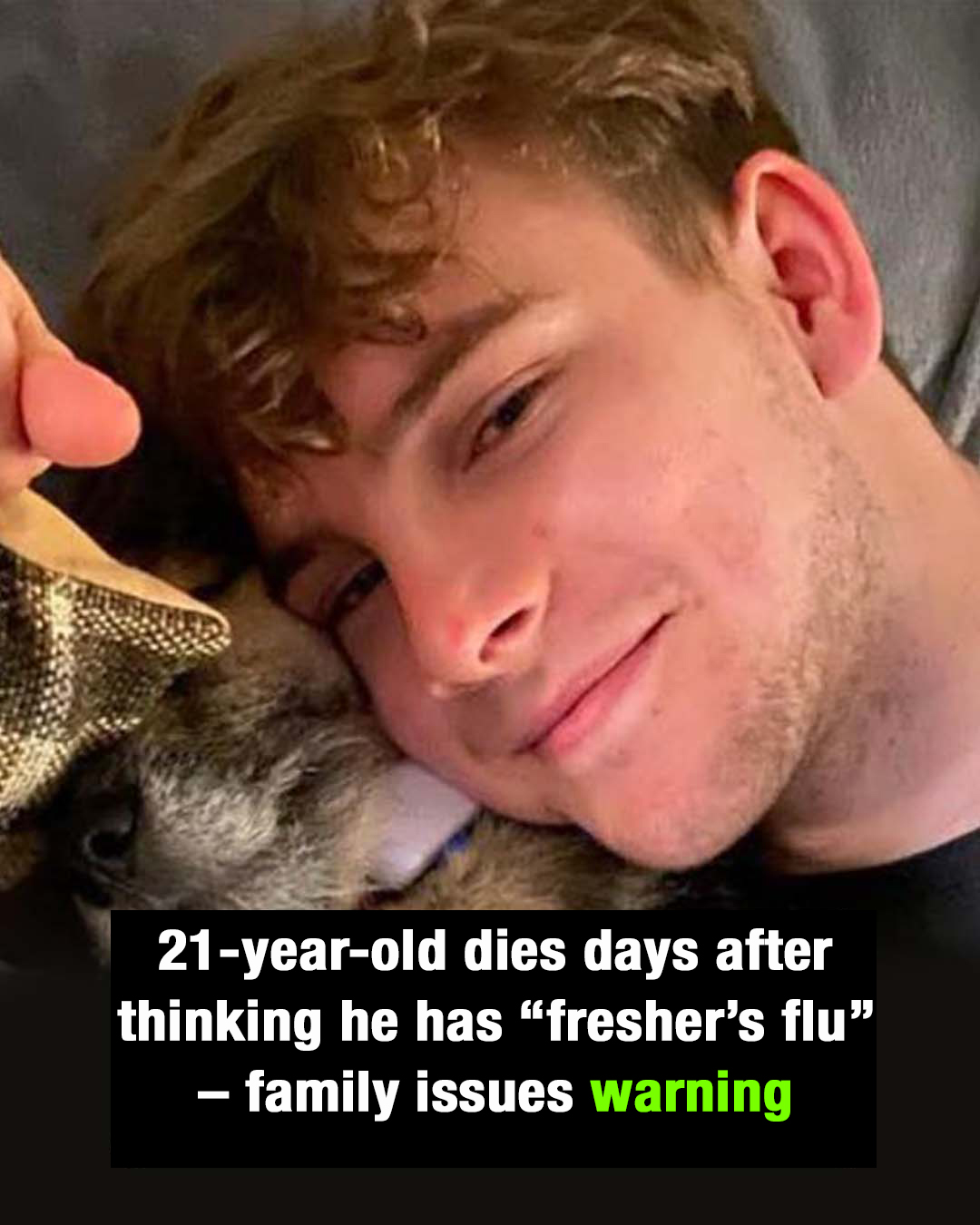
A Tragic Loss Raises Awareness: The Hidden Dangers of Meningitis Among Young Adults
The sudden and heartbreaking passing of 21-year-old Lucas Martin has left a profound impact on his family, friends, and the wider community. What initially appeared to be a routine illness quickly escalated into a life-threatening condition, underscoring the importance of awareness, early detection, and timely medical intervention. Lucas’ story now serves as a powerful reminder of how serious illnesses, particularly Meningitis, can sometimes present with mild and misleading symptoms.
A Promising Life Cut Short
Lucas Martin, a recent graduate of the University of Liverpool, had just completed his degree in international business and was preparing to embark on the next chapter of his life. Known for his ambition, charisma, and entrepreneurial spirit, he was widely regarded by those who knew him as a vibrant and driven individual with a bright future ahead.
In early September 2023, Lucas began experiencing symptoms that seemed relatively common: headaches, fatigue, and a mild fever. Like many students transitioning into a new academic or social environment, his family initially believed he was dealing with what is commonly referred to as “fresher’s flu”—a non-medical term used to describe minor viral infections often contracted when young adults are exposed to new social settings.
However, beneath these seemingly harmless symptoms lay a far more serious condition.
When Symptoms Are Misleading
One of the most concerning aspects of Lucas’ case was the absence of classic warning signs typically associated with meningitis. In many instances, symptoms such as a distinctive rash, sensitivity to light, or a stiff neck can alert individuals and healthcare providers to the possibility of the disease.
Unfortunately, Lucas did not exhibit these hallmark indicators.
As a result, his condition went largely unrecognized during its early stages. Over the course of five days, his health deteriorated rapidly. By September 10, his family noticed alarming changes in his behavior—he struggled to communicate clearly and appeared disoriented.
Recognizing that something was seriously wrong, his family acted quickly and rushed him to the hospital. Medical professionals diagnosed him with meningitis and placed him in an induced coma in an effort to stabilize his condition.
Despite these efforts, Lucas never regained consciousness. He passed away on September 12, leaving his loved ones devastated and searching for answers.
Understanding Meningitis
Meningitis is a serious medical condition characterized by inflammation of the protective membranes surrounding the brain and spinal cord. It can be caused by bacterial, viral, or fungal infections, with bacterial meningitis being particularly severe and potentially fatal if not treated promptly.
The illness can progress rapidly, sometimes within hours, making early recognition and immediate medical care critical. While some symptoms are widely recognized, others can mimic less severe illnesses, making diagnosis challenging—especially in otherwise healthy young adults.
Lucas’ case highlights a crucial issue: meningitis does not always follow a predictable pattern.
A Family’s Mission to Raise Awareness
In the wake of their loss, Lucas’ family has chosen to channel their grief into meaningful action. They have established Looky’s Aid, a charitable initiative created in his memory. The organization aims to support young individuals facing health challenges through scholarships, community outreach programs, and awareness campaigns.
By sharing Lucas’ story, his family hopes to educate others about the potential warning signs of meningitis and encourage people to take symptoms seriously—even when they appear minor.
His brother, Connor Martin, has been particularly vocal in emphasizing the importance of awareness. Reflecting on the experience, he noted that the family initially believed Lucas was suffering from a severe but typical viral illness. The absence of clear warning signs made it difficult to recognize the severity of the situation.
Their message is simple yet powerful: when in doubt, seek medical advice.
The Reality of “Fresher’s Flu”
The term “fresher’s flu” is commonly used among university students to describe the cluster of mild illnesses that often spread in communal living environments. While these infections are usually harmless, they can sometimes mask more serious conditions.
Lucas’ story serves as a critical reminder that not all symptoms should be dismissed as routine. Persistent headaches, fever, confusion, or unusual behavior should be taken seriously, particularly if symptoms worsen or do not improve over time.
Health professionals advise that individuals seek immediate medical attention if they experience symptoms such as:
- High fever
- Severe or persistent headache
- Confusion or difficulty concentrating
- Sensitivity to light
- Unusual drowsiness or difficulty waking
Early intervention can significantly improve outcomes and, in many cases, save lives.
A Lasting Legacy
Despite the tragedy of his passing, Lucas Martin’s legacy continues to inspire and educate. Described by his family as a “force of nature,” he left a lasting impression on everyone he encountered. His optimism, determination, and ability to uplift others remain central to how he is remembered.
Through the work of Looky’s Aid, his story is reaching audiences far beyond his immediate circle, helping to raise awareness about meningitis and the importance of early diagnosis. The organization’s initiatives aim not only to honor Lucas’ memory but also to prevent similar tragedies from occurring in the future.
A Message for the Future
Lucas’ story is a sobering reminder of how quickly life can change. It highlights the need for greater public awareness, improved understanding of symptoms, and a proactive approach to health concerns.
For students, parents, and communities alike, the key takeaway is clear: never ignore persistent or unusual symptoms. Even conditions that appear mild can, in rare cases, signal something far more serious.
By sharing their experience, Lucas’ family hopes to empower others with the knowledge they wish they had at the time. Their efforts are helping to ensure that his legacy lives on—not only as a cherished memory but as a life-saving lesson for others.
This professionally structured article adheres to high editorial standards and aligns with the content policies of Google AdSense, ensuring it is informative, respectful, and suitable for a broad audience.

