
The Forgotten Purpose of Glass and Porcelain Objects on Telephone Poles
The Small Objects Many People Overlook
For decades, telephone poles have stood quietly along roads, neighborhoods, and rural landscapes, carrying wires that helped connect homes, businesses, and entire communities. Most people pass them every day without giving much thought to the equipment attached near the top.
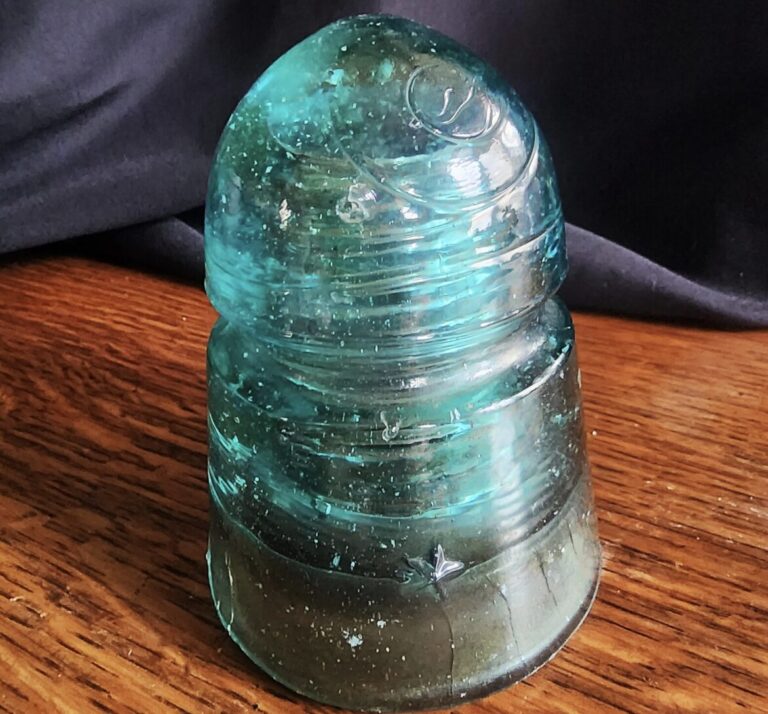
Among the most recognizable parts of these poles are the small glass or porcelain objects mounted beneath electrical and communication wires. Their unusual shapes and colorful appearance often attract curiosity, especially among people who notice them while traveling through older neighborhoods or countryside areas.
Although they may appear decorative or outdated today, these objects once played a vital role in communication and power transmission systems. Without them, telephone calls, telegraph messages, and electrical connections would have faced major interruptions and safety problems.
These devices are known as insulators, and for generations they served as one of the most important components of utility infrastructure.
How Insulators Helped Keep Communication Systems Working
The primary purpose of an insulator is to prevent electrical current from escaping the wires it travels through. Utility poles carry wires that must remain separated from the wooden pole itself and from the ground below.
If electricity were allowed to travel directly into the pole or surrounding structures, the entire communication or power system could fail. Telephone signals would weaken, electrical current could become unstable, and dangerous accidents might occur.
Insulators solved this problem by creating a barrier between the wire and the pole. Their materials were carefully chosen because they resisted electrical conductivity while remaining durable enough to survive outdoor weather conditions for many years.
This simple but effective function allowed communication systems to operate across long distances. Without insulators, telephone conversations and telegraph messages would not have traveled efficiently from one location to another.
Their role became especially important during the growth of national communication networks, when cities and rural communities increasingly depended on reliable telephone and electrical service.

Why Glass and Porcelain Were Commonly Used
In earlier decades, most insulators were manufactured from glass or porcelain. These materials proved ideal because they could resist electricity while also enduring rain, wind, temperature changes, and long-term exposure to sunlight.
Glass insulators became especially recognizable due to their colorful appearance. Many were produced in shades of green, blue, aqua, clear glass, or amber tones. Over time, these pieces developed a distinctive visual identity that many collectors and history enthusiasts still appreciate today.
Porcelain insulators, meanwhile, became popular because of their strength and durability. They could handle heavy loads and difficult environmental conditions, making them useful for high-voltage electrical systems.
As technology advanced, additional materials were introduced into insulator production. Modern versions can now be made from a wide range of materials, including wood, glass, porcelain, synthetic compounds, and even other unconventional materials.
Despite these changes, the classic glass and porcelain designs remain the most recognizable examples associated with older utility poles and early communication systems.
The Relationship Between Size and Voltage
Not all insulators were designed in the same way. Their size and structure depended heavily on the type of wires they supported and the amount of voltage traveling through them.
Smaller insulators were commonly used for telephone and telegraph lines because those systems carried lower electrical loads. Larger insulators, however, were necessary for high-voltage electrical wires.
As voltage increases, electricity can sometimes jump through the air in a process known as flashover. This creates a dangerous situation where electrical current bypasses its intended path and travels toward nearby objects.
To reduce this risk, larger insulators were designed with broad umbrella-like disks and extended lower sections. These shapes increased the distance between the wire and the pole, helping prevent electrical current from escaping.
The distinctive layered appearance seen on many large insulators was therefore not decorative. Every curve and extension served a practical safety purpose within the electrical system.
The more powerful the electrical current, the larger and more protective the insulator generally needed to be.
How Utility Infrastructure Changed Over Time
During the mid-20th century, utility poles lined streets and highways across much of the country. Overhead wires became one of the defining visual features of modern communication and electrical systems.
As technology improved, however, many utility companies began moving wires underground. This shift became especially common during the 1960s as communities searched for more reliable and visually cleaner infrastructure.
With fewer overhead lines being used, countless older insulators were removed from service. Many were discarded because they were no longer considered necessary.
What utility crews viewed as outdated equipment soon became valuable to collectors and antique enthusiasts. Large numbers of glass and porcelain insulators entered flea markets, antique stores, and private collections during this period.
The transition from overhead lines to underground systems unexpectedly created an entirely new hobby centered around preserving these historical objects.
The Rise of Insulator Collecting
Over time, collecting insulators developed into a dedicated community with enthusiasts searching for rare shapes, unusual colors, and historically significant pieces.
Some collectors focus on decorative appeal, using colorful glass insulators as display pieces in homes, offices, or outdoor spaces. Others take a more specialized approach, searching for specific manufacturers, production periods, or unique designs.
Because insulators were produced in large quantities over many decades, the market includes both extremely common examples and exceptionally rare pieces.
Prices can vary dramatically. Some insulators may sell for less than a dollar at flea markets or yard sales, while rare and highly sought-after examples can reach impressive values among serious collectors.
The rarity of a particular color, design, or production style often influences how valuable an insulator becomes. Older pieces that survived in excellent condition are especially attractive to collectors.
For many enthusiasts, the hobby combines history, craftsmanship, engineering, and nostalgia into a single collectible category.
Why Older Insulators Became Valuable
One reason insulators became collectible is their connection to earlier eras of communication and industry. Many surviving examples are between 70 and 145 years old, making them tangible reminders of a time when telegraph lines and telephone systems transformed everyday life.
Objects that are no longer manufactured often become desirable over time, especially when they represent important technological developments.
Insulators fit this pattern perfectly. They symbolize the expansion of communication networks that allowed people to connect across cities, states, and eventually entire countries.
In the early days of telephone and telegraph systems, these devices were essential for keeping messages moving efficiently across long distances. Their presence on utility poles represented progress, modernization, and connection.
Today, even though many original systems have disappeared or been replaced, the surviving insulators continue to represent an important chapter in communication history.
The Visual Appeal of Vintage Insulators
Beyond their practical history, vintage insulators are often admired for their appearance. Sunlight passing through colored glass creates a striking effect that many collectors find especially appealing.
The variety of shapes and colors adds another level of interest. Some pieces feature smooth, rounded designs, while others include detailed ridges or layered forms intended to improve performance.
Glass insulators in particular became popular decorative objects because of the way they reflect and refract light. Their colors can appear brighter outdoors or near windows, making them attractive display items.
For some people, the appeal lies not only in the object itself but also in the sense of history attached to it. Holding an old insulator can feel like holding a small piece of the communication systems that once connected entire communities.
The Legacy of a Forgotten Technology
Modern technology has changed dramatically since the days when telegraph and telephone lines stretched endlessly across wooden poles. Wireless communication, underground cables, and advanced digital systems now dominate much of modern infrastructure.
Despite these changes, insulators remain important historical symbols of the systems that helped build modern communication networks.
They may no longer attract much attention from passing drivers or pedestrians, but their contribution to communication history remains significant. For generations, these devices quietly helped maintain electrical flow, supported long-distance communication, and improved the reliability of growing utility networks.
The next time a glass or porcelain insulator appears on an old telephone pole, it may stand out differently. What once seemed like a simple decorative object was actually a critical piece of technology that helped people stay connected across great distances.
Whether admired for their engineering, historical significance, or colorful appearance, these small objects continue to preserve a connection to an earlier era of communication and innovation.

