
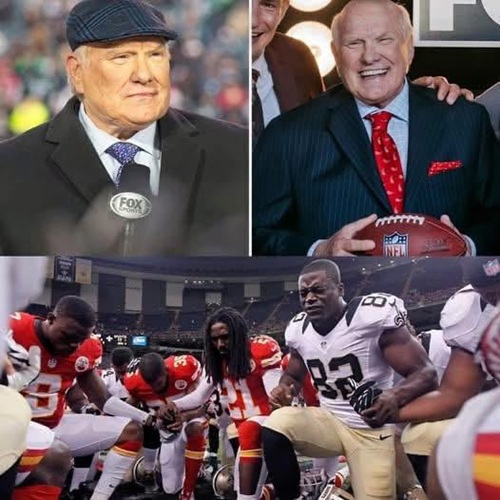
On Sundays in the National Football League, few figures commanded as much recognition and authority as Terry Bradshaw. As the quarterback who led the Pittsburgh Steelers during one of the most dominant eras in professional football, Bradshaw became synonymous with success, resilience, and championship performance.
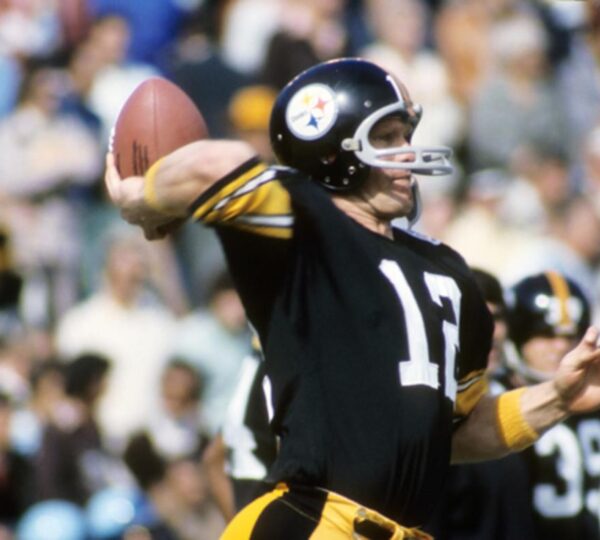
To many fans watching from the stands or at home, he appeared confident and composed under pressure, delivering plays that helped define what winning football looked like in the 1970s. His leadership on the field was a key factor in building a Steelers dynasty—one that secured multiple Super Bowl titles and left a lasting imprint on the league’s history.
However, the image of certainty and strength that fans came to associate with Bradshaw did not fully reflect the challenges he faced early in his career.
Early Life and Entry Into the NFL
Born and raised in Louisiana, Bradshaw grew up in a modest environment where sports became an important outlet. From a young age, he demonstrated strong athletic ability and a natural inclination toward competition. Football, in particular, became a central focus, eventually opening the door to opportunities at higher levels.
His talent led to his selection as the first overall pick in the NFL Draft, a position that brought immediate expectations. Being chosen at the top of the draft meant he was not only expected to succeed, but to do so quickly, stepping into a leadership role from the very beginning.
With that opportunity came intense scrutiny. Every performance was evaluated, every mistake analyzed, and every decision questioned in real time by media and fans alike.

Struggles and Criticism
Bradshaw’s early seasons in the NFL were far from smooth. Adjusting to the speed, complexity, and physical demands of professional football proved difficult. Like many young quarterbacks entering the league, he faced a steep learning curve.
Inconsistent performances and turnovers became part of his early experience. These struggles did not go unnoticed. Media coverage often focused heavily on his mistakes, and public criticism grew as expectations remained high.
The pressure of performing at an elite level while being constantly evaluated created an environment that tested both his physical and mental resilience. For a young player still adapting to the professional game, the challenge was significant.
Growth Through Persistence
Despite these early setbacks, Bradshaw continued to develop. He worked to improve his decision-making, refine his skills, and better understand the demands of his position. Over time, this persistence began to show results.
As the Pittsburgh Steelers organization strengthened—with effective coaching and a talented roster—Bradshaw’s role became more clearly defined. He grew into the position, gaining confidence and consistency.
This period of development marked a turning point in his career. What had once been uncertainty gradually transformed into stability and leadership.
A Championship Era
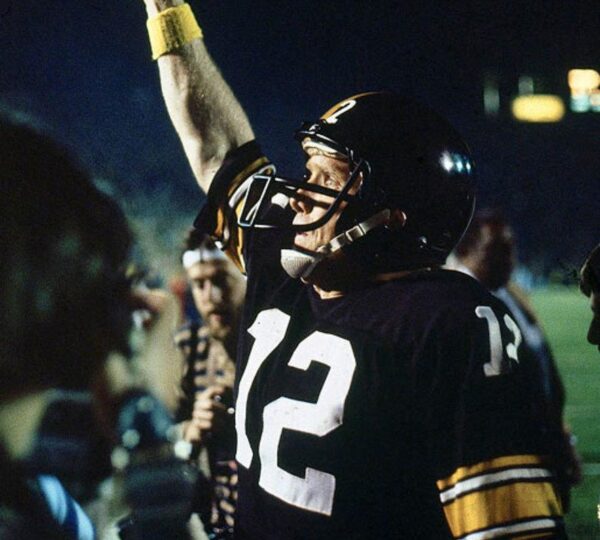
Bradshaw’s evolution as a quarterback coincided with one of the most successful periods in NFL history. The Steelers emerged as a dominant force, winning multiple Super Bowl championships and establishing themselves as a model of sustained excellence.
In these championship runs, Bradshaw played a central role. His performances in high-pressure situations demonstrated his ability to rise to the occasion. Games that defined the franchise’s legacy often featured his leadership and execution.
His success during this era helped secure his place among the most accomplished quarterbacks of his time. More importantly, it illustrated how perseverance through early challenges can lead to long-term achievement.

Leadership and Resilience
One of the defining characteristics of Bradshaw’s career was his resilience. The same player who once faced criticism for inconsistency became a reliable leader capable of guiding his team through the most demanding moments.
This transformation did not happen overnight. It was the result of continuous effort, adaptation, and a willingness to learn from mistakes. His journey reflected the reality that success in professional sports is rarely linear.
Beyond physical ability, his growth highlighted the importance of mental strength. The ability to remain focused under pressure and maintain confidence despite criticism became key elements of his success.
Life Beyond the Field
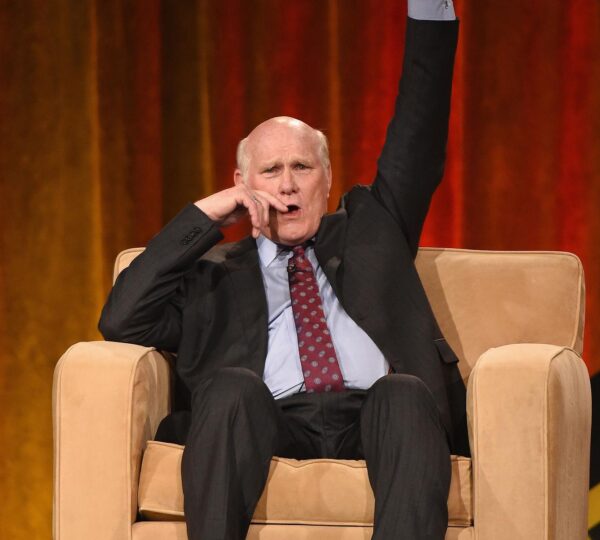
After retiring from professional football, Bradshaw transitioned into broadcasting, where he built a second career as a television analyst. His role in sports media introduced him to a new audience and allowed him to share his perspective on the game.
Known for his humor and engaging personality, he became a familiar presence in sports coverage. This new chapter expanded his influence beyond the field, making him a recognizable figure even among those who may not have followed his playing career.
In addition to his broadcasting work, Bradshaw has spoken openly about the emotional and psychological challenges he experienced during and after his time in the NFL. These discussions have contributed to broader conversations about mental health in professional sports.
A Broader Impact
Bradshaw’s willingness to discuss personal struggles has helped shed light on an often overlooked aspect of athletic careers. Professional athletes are frequently judged by performance alone, but their experiences extend far beyond the field.
His openness has encouraged greater awareness of the pressures athletes face, including the impact of constant evaluation and the transition to life after competition.
This aspect of his legacy adds depth to his story, showing that his influence extends beyond statistics and championships.
Legacy in NFL History
Today, Terry Bradshaw is remembered as one of the most influential quarterbacks in NFL history. His career represents a combination of achievement, growth, and perseverance.
His contributions to the Pittsburgh Steelers helped shape the identity of a franchise that remains one of the most respected in the league. The championships won during his tenure continue to be a defining part of the team’s legacy.
At the same time, his personal journey offers a broader lesson about resilience. Early struggles did not prevent him from achieving success; instead, they became part of the process that led to it.
Conclusion
Terry Bradshaw’s story reflects the complexity of professional sports. While his public image includes confidence, humor, and success, his path was shaped by challenges that required determination and adaptability.
From a young athlete in Louisiana to a championship-winning quarterback and later a respected broadcaster, his life demonstrates how perseverance can transform adversity into achievement.
His legacy is not defined solely by titles or accolades, but by the journey that led to them—a journey that continues to resonate in discussions about leadership, resilience, and the realities of life in professional athletics.

