
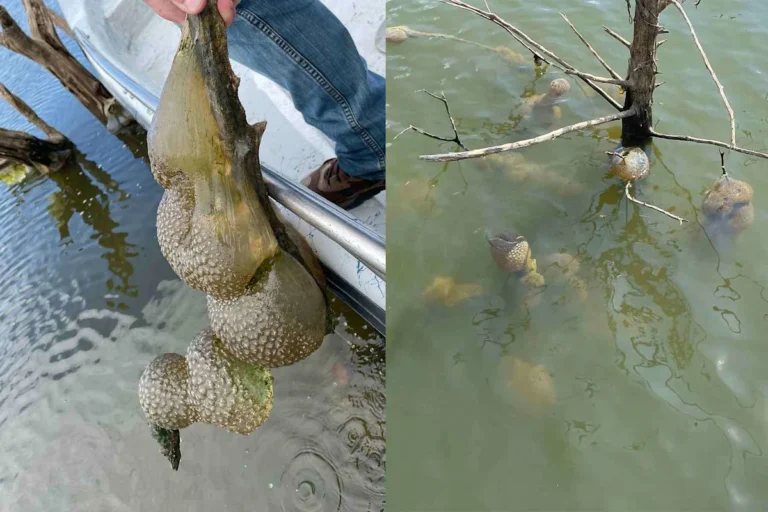
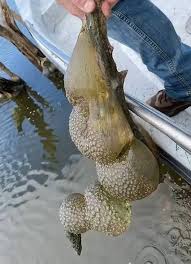
In March 2024, visitors to McGee Creek Reservoir began noticing an unusual natural phenomenon that quickly captured attention and sparked widespread curiosity. People exploring the shoreline—whether boating, fishing, or simply enjoying the scenery—reported seeing strange, jelly-like masses attached to submerged branches, rocks, and other underwater surfaces. At first glance, these formations appeared unfamiliar and even unsettling, prompting speculation among those who encountered them.
Some visitors wondered whether the masses were a sign of pollution or an invasive species. Others, observing their unusual texture and appearance, described them as something resembling a scene from science fiction. Despite these initial concerns, experts soon clarified that the formations were entirely natural and harmless. They were identified as colonies of bryozoans, a group of aquatic invertebrates often referred to as “moss animals.”
Bryozoans are small organisms that live together in large, cooperative colonies. While each individual unit, known as a zooid, is microscopic, they function collectively as a single organism. Within a colony, different zooids perform specialized roles. Some are responsible for feeding, filtering microscopic particles from the water. Others focus on reproduction, while some contribute to the structural integrity of the colony. This division of labor allows bryozoans to form complex and efficient living systems.
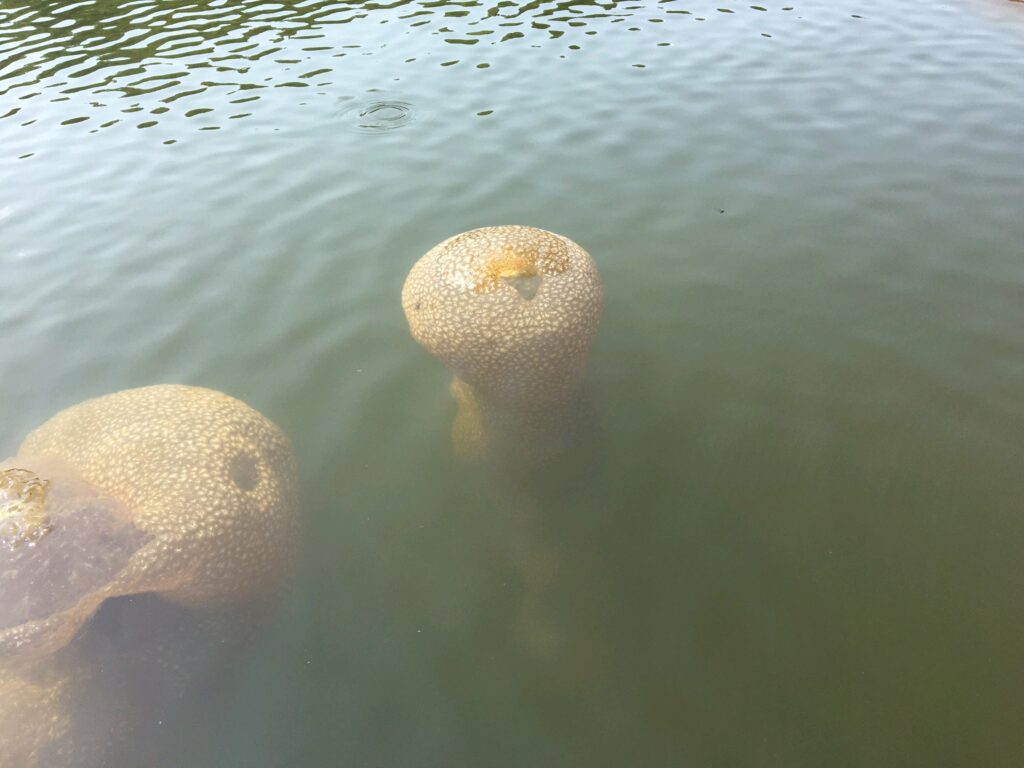
The gelatinous appearance of these colonies comes from the combination of their soft tissues and a protective outer structure made of chitin. Underwater, this structure remains flexible, allowing the colony to move gently with water currents. This flexibility also helps the colonies attach securely to submerged objects such as tree limbs and rocks. When exposed to air, however, the same material becomes firmer, giving the colonies a more solid and resilient texture. This contrast between their underwater softness and their hardened state outside the water contributes to their unusual and sometimes surprising appearance.
Bryozoans reproduce in two main ways, which helps explain how these large colonies can appear relatively quickly. Through asexual reproduction, zooids create identical copies of themselves, allowing the colony to expand rapidly under favorable conditions. In addition, bryozoans can reproduce sexually, producing microscopic larvae that drift through the water before settling on new surfaces. This dual reproductive strategy ensures both rapid growth and long-term survival.
The timing of the phenomenon at McGee Creek Reservoir was not unusual. Bryozoan colonies tend to become more visible during the spring and early summer months, when water temperatures rise and environmental conditions support their growth. Increased sunlight and nutrient availability also contribute to their expansion. As a result, colonies can grow large enough to be easily noticed by visitors, especially when they attach to visible structures near the shoreline.
Although their appearance may seem unusual, bryozoans play an important role in maintaining the health of freshwater ecosystems. They are filter feeders, meaning they consume microscopic algae, bacteria, and organic debris suspended in the water. By removing these particles, bryozoans help improve water clarity and maintain a balanced nutrient level within the ecosystem. This natural filtration process can reduce the likelihood of excessive algal growth and contribute to a healthier aquatic environment.
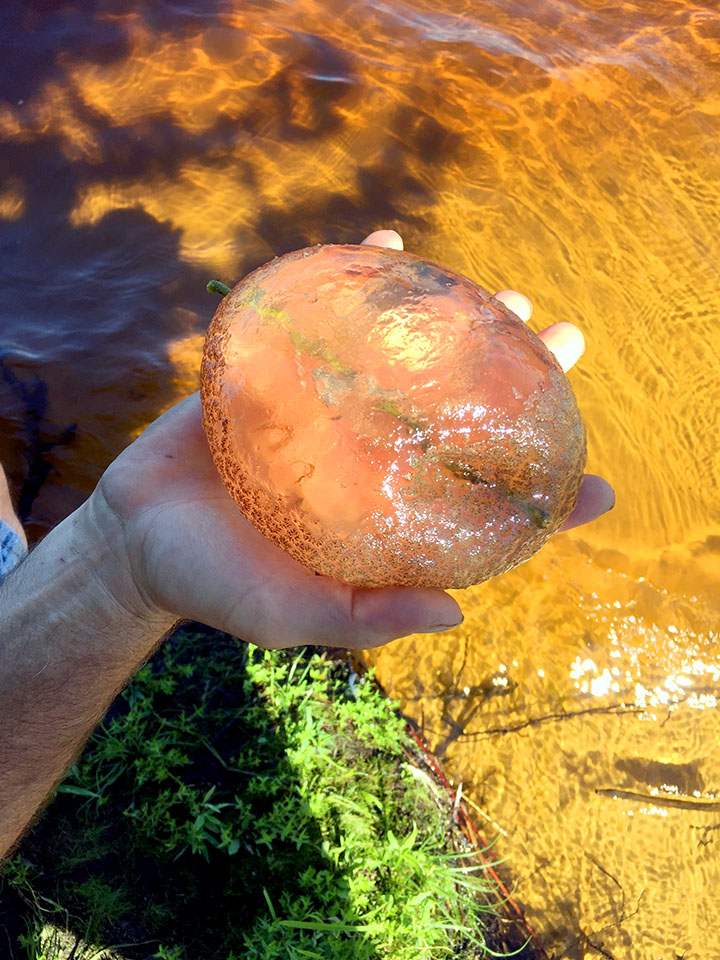
In addition to their role in water filtration, bryozoan colonies provide benefits to other species. Their structure creates small habitats that can be used by fish, insects, and amphibians. Juvenile fish, in particular, may seek shelter within the colonies as protection from predators. Some aquatic organisms feed on the microorganisms trapped within the gelatinous matrix, making bryozoans an integral part of the food web.
Wildlife authorities from the Oklahoma Department of Wildlife Conservation examined the formations at McGee Creek Reservoir and confirmed that they posed no risk to humans, pets, or the surrounding environment. Experts emphasized that these colonies are a natural and recurring feature in many freshwater systems across the United States. Similar observations have been reported in other lakes and reservoirs, particularly during periods of favorable environmental conditions.
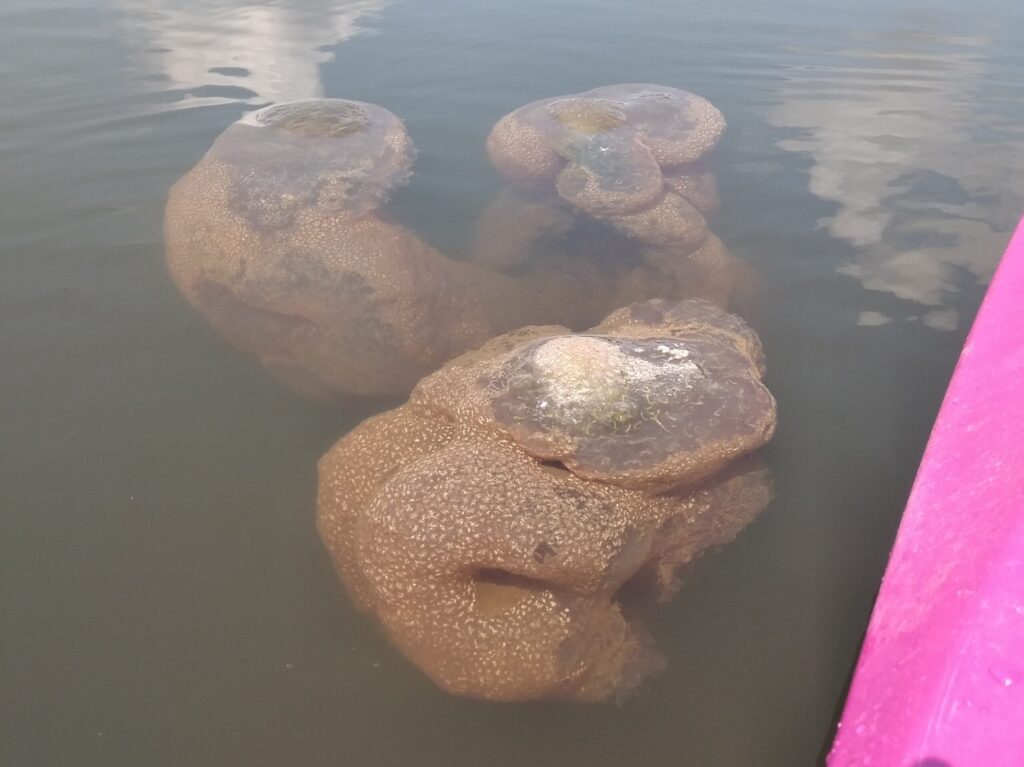
Understanding the life cycle of bryozoans helps explain why they can seem to appear suddenly. The microscopic larvae produced through sexual reproduction are carried by water currents until they find a suitable surface to attach to. Once settled, they begin forming a new colony through asexual reproduction. Over time, the colony grows in size and complexity, eventually becoming visible as a gelatinous mass.
Bryozoans thrive in clean, well-oxygenated water, which makes their presence an indicator of a healthy ecosystem. Unlike organisms that flourish in polluted environments, bryozoans require balanced conditions to survive and grow. Their appearance at McGee Creek Reservoir suggests that the water quality and ecological conditions are supportive of diverse aquatic life.
The interactions between bryozoans and other species further highlight their ecological importance. By filtering out excess nutrients and organic material, they help maintain conditions that support aquatic plants. These plants, in turn, provide oxygen, stabilize sediments, and create habitats for fish and other organisms. This interconnected system demonstrates how even small organisms can have a significant impact on the overall health of an ecosystem.
Public awareness plays an important role in helping people understand and appreciate these natural processes. For many visitors, encountering large, jelly-like formations in the water can be surprising. Educational efforts by local authorities aim to provide accurate information and encourage responsible observation. By learning about bryozoans, people can gain a deeper understanding of freshwater ecosystems and recognize the signs of ecological balance.
Observing bryozoans in their natural habitat can also be an opportunity for learning and appreciation. Their unique structure and function offer insight into the complexity of life in aquatic environments. For students, researchers, and nature enthusiasts, these colonies provide a tangible example of how organisms interact within an ecosystem.

Seasonal changes influence the visibility and size of bryozoan colonies. As environmental conditions shift later in the year, colonies may shrink or break apart. This process is a normal part of their life cycle and reflects the dynamic nature of freshwater ecosystems. These patterns of growth and decline are influenced by factors such as temperature, water flow, and nutrient availability.
Visitors are generally advised to observe bryozoans without disturbing them. While they are harmless to touch, leaving them intact allows them to continue performing their ecological functions. Respectful interaction with natural environments helps preserve these systems for future observation and study.
The appearance of bryozoans at McGee Creek Reservoir serves as a reminder that natural phenomena can sometimes seem unusual at first but are often part of a larger ecological system. What may initially appear unfamiliar can, upon closer examination, reveal important insights into environmental health and biodiversity.
By understanding the role of bryozoans, people can develop a greater appreciation for the complexity of freshwater ecosystems. These colonies, though composed of tiny individual organisms, contribute significantly to water quality, habitat creation, and ecological balance. Their presence highlights the importance of maintaining clean and well-managed natural environments.
In a broader context, the study of bryozoans can contribute to scientific knowledge about aquatic ecosystems. Researchers can learn more about nutrient cycles, species interactions, and the effects of environmental changes by observing these organisms. This information can help guide conservation efforts and support the protection of freshwater habitats.
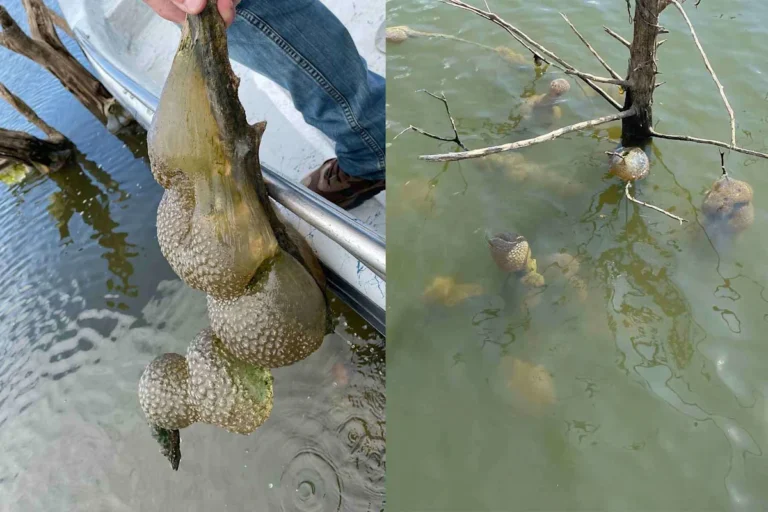
The jelly-like formations observed at McGee Creek Reservoir are an example of how nature often operates in subtle and interconnected ways. Rather than being a cause for concern, they represent a functioning and balanced ecosystem. Through awareness and education, such phenomena can be better understood and appreciated.
Ultimately, the presence of bryozoans illustrates the importance of curiosity and observation in understanding the natural world. By taking the time to learn about these organisms, visitors can move beyond initial impressions and recognize their role within the environment. This perspective encourages a more informed and respectful relationship with nature, supporting both conservation and continued exploration.

