
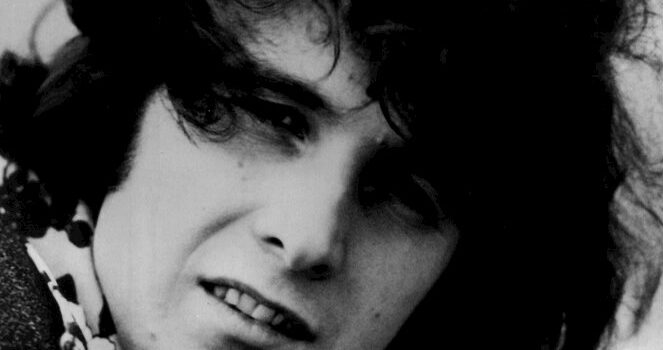
Raised in a home marked by violence and instability, Don McLean endured a childhood that would leave lasting emotional scars. He later spoke openly about the physical abuse he experienced from members of his own family, describing an upbringing that was far from the ideal many imagine. The environment he grew up in was not only harsh but also deeply unsettling, shaping much of his outlook on life and, ultimately, his music.
Born on October 2, 1945, in New Rochelle, McLean was raised in what might have appeared, on the surface, to be a comfortable upper-middle-class neighborhood. However, he would later describe that setting as one filled with pressure, judgment, and social expectations. According to his own recollections, there was a constant sense of being evaluated based on material possessions and outward appearances. He developed a strong dislike for that culture at a young age, feeling disconnected from the values that surrounded him.

Behind closed doors, life was even more difficult. McLean revealed in interviews that he was frequently subjected to physical harm by his mother, father, and sister. The household was tense, and fear was a recurring presence. He also spoke about his older sister, whom he described as struggling with addiction and instability. Her behavior, he said, created a painful and chaotic atmosphere in the home, one that could not be openly discussed. This silence only added to the emotional burden he carried as a child.
Despite these hardships, the most devastating event of his early life came when he was just fifteen years old. McLean lost his father suddenly, an experience that would profoundly alter the course of his life. He later recalled having a sense that something terrible was about to happen in the days leading up to the event. When his father collapsed and died in front of him, the shock was overwhelming. He described feeling helpless and deeply shaken, struggling to comprehend how life could continue without the person he saw as the central figure in his world.
The loss had a lasting impact. McLean has said that he cried for two years after his father’s death and even blamed himself for what had happened. The family structure quickly deteriorated, leaving him emotionally adrift. This period of grief and confusion became a defining chapter in his life, one that would later influence his songwriting in profound ways.

Amid the turmoil, music became a form of refuge. McLean suffered from childhood asthma, which often kept him away from regular school activities. While this presented challenges, it also gave him time to explore his interest in music. He began learning to play the guitar and took voice lessons, focusing on breath control. These lessons not only improved his singing ability but also helped manage his asthma over time. Music gradually became more than just a pastime—it became a way to process emotions and find a sense of purpose.
His journey into the music industry was far from easy. Before achieving success, McLean faced rejection repeatedly. It is often noted that he was turned down dozens of times by record labels before finally securing an opportunity to release his work. His persistence eventually paid off when his debut album, Tapestry, was released. While the album received positive feedback, it achieved only moderate commercial success.
Everything changed with the release of American Pie in 1971. The song, which became the title track of his album, would go on to define his career. At over eight minutes long, it was unconventional for its time, yet it resonated deeply with listeners. The track quickly climbed to the top of the charts and sold more than a million copies, transforming McLean into an international star.
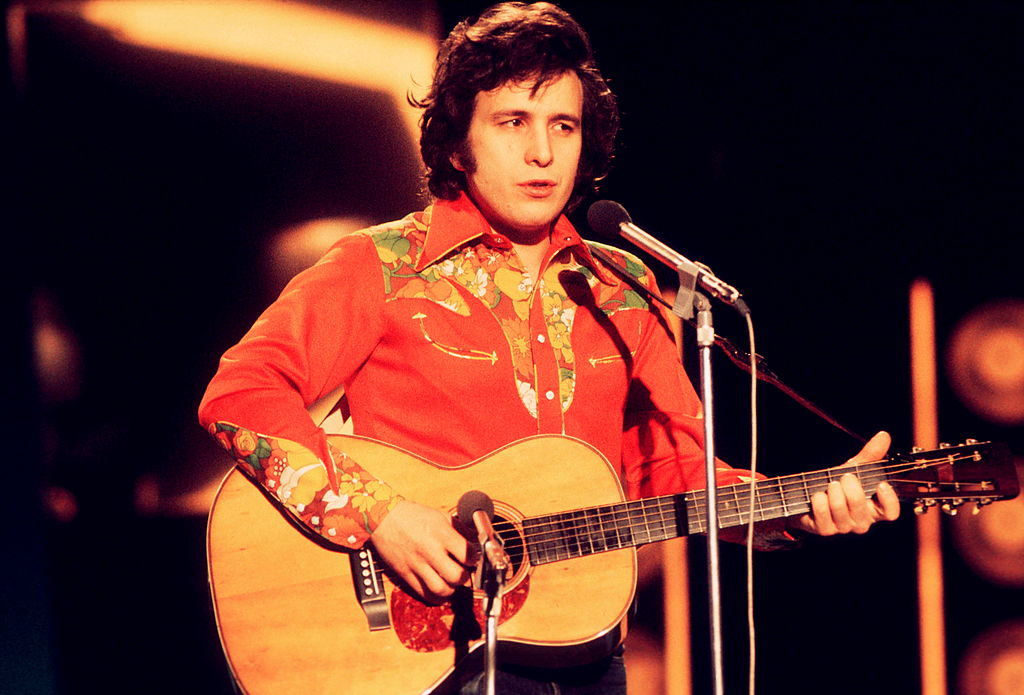
The meaning behind “American Pie” has been widely discussed and interpreted over the years. While many initially believed it to be a tribute to Buddy Holly, who died in a 1959 plane crash, McLean later suggested that the song carried a much broader and more personal significance. He described it as a reflection on changes in American culture, as well as a deeply biographical piece that captured emotions he found difficult to express directly.
Rather than offering a single, clear explanation, McLean intentionally left the lyrics open to interpretation. He explained that he wanted the song to evoke feelings and ideas that could not easily be defined. This ambiguity became part of its appeal, allowing listeners to connect with the song in their own ways. Decades after its release, “American Pie” continues to be regarded as one of the most influential songs in modern music history.
As his career progressed, McLean achieved significant success, selling millions of albums worldwide and earning a place in the Songwriters Hall of Fame. His contributions to music have been widely recognized, and he remains a respected figure in the industry.
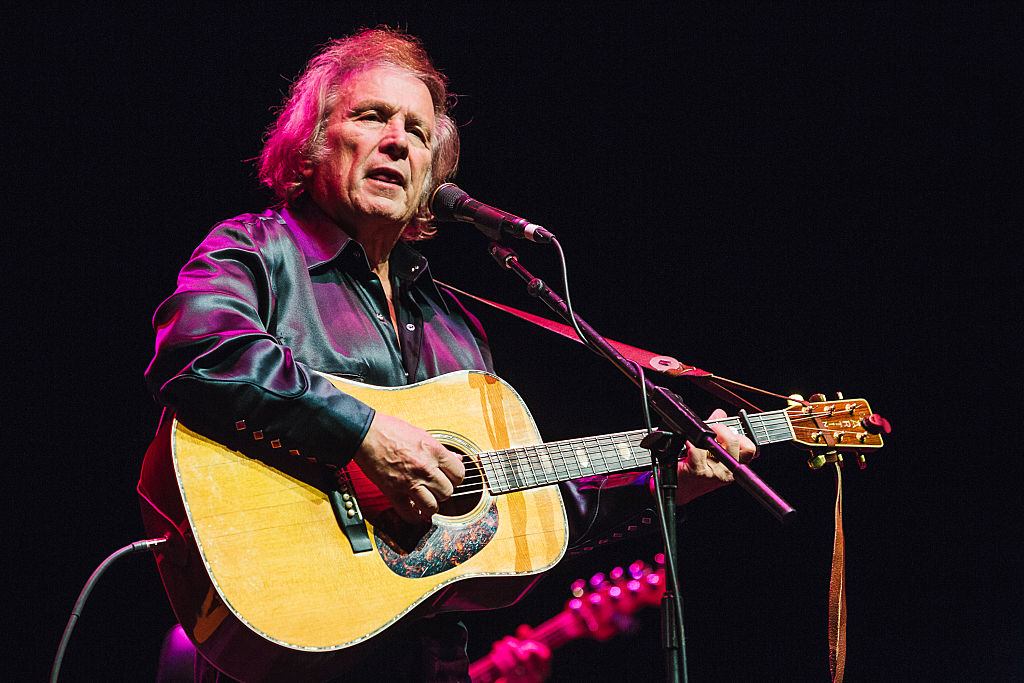
However, his personal life has also been marked by challenges. McLean has been married twice, with both marriages ending in divorce. His first marriage was to Carol Sauvion, while his second was to Patrisha Shnier McLean, with whom he had two children. The latter relationship ended amid legal and personal disputes, reflecting the complexities that have often accompanied his private life.
In later years, McLean has spoken about the difficulties he faced within his family, including strained relationships with his children. While he maintains a positive connection with his son, his relationship with his daughter has been described as distant. Public statements from both sides have highlighted differing perspectives on their experiences, underscoring the ongoing challenges within the family dynamic.
Despite these struggles, McLean continues to be defined by his music and the emotional depth it carries. His work reflects not only his talent but also the experiences that shaped him—from a troubled childhood to personal loss and eventual success. The themes present in his songs often draw from real-life pain, giving them a sense of authenticity that resonates with audiences across generations.
Today, Don McLean is recognized as a legendary figure whose influence extends far beyond a single hit. His ability to transform personal hardship into meaningful art has left a lasting mark on the music world. While his life story includes both triumph and controversy, his legacy remains firmly rooted in the songs that continue to connect with listeners around the world.

In the end, his journey illustrates how adversity can shape creativity. The pain he experienced did not disappear, but it was channeled into something enduring. Through his music, McLean found a way to give voice to emotions that might otherwise have remained unspoken, creating work that continues to be appreciated decades later.

