
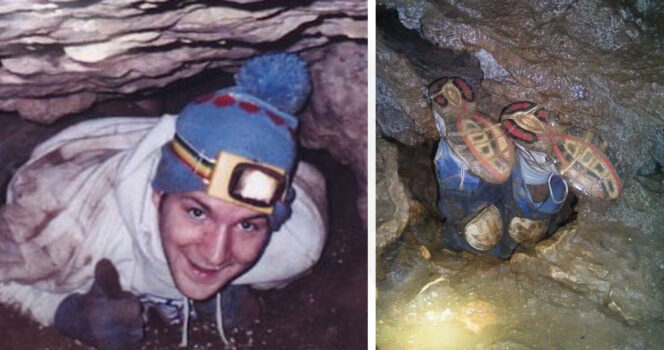
The death of John Edward Jones in 2009 remains one of the most tragic and widely discussed incidents in the history of cave exploration. A new documentary has recently revisited the event, offering additional insight into the rescue efforts and the challenges faced by those involved. While the story has been known for years, the newly released material provides a clearer understanding of how complex and difficult the situation truly was.
John Edward Jones was a 26-year-old medical student, husband, and father who had developed a strong interest in caving. Exploring underground passages had become a meaningful activity for him, combining physical challenge with a sense of adventure. In November 2009, he joined a group, including his brother, for what was intended to be a routine exploration of Nutty Putty Cave in Utah.
Nutty Putty Cave was known for its narrow passages and tight spaces, making it popular among experienced cavers. However, like many cave systems, it also contained areas that were difficult to navigate and not fully mapped. During the exploration, Jones entered a passage he believed to be a familiar route. Unfortunately, it led into an extremely tight and previously unmapped section of the cave.
The space narrowed to approximately 10 inches in height and 18 inches in width. As Jones moved forward, he became stuck in a headfirst position. Due to the confined space, he was unable to turn around or reposition himself. The situation quickly escalated from challenging to critical.

His brother, Josh, attempted to assist him but soon realized that the conditions made it impossible to free him without additional help. Understanding the severity of the situation, Josh made the difficult decision to leave his brother temporarily in order to seek assistance. He exited the cave and contacted emergency services, initiating a large-scale rescue operation.
Rescue teams responded quickly and began working to reach Jones. The effort lasted approximately 27 hours and involved multiple specialists, including experienced cavers and emergency responders. The conditions inside the cave made the operation extremely complex. The narrow passage limited movement, restricted the use of equipment, and made communication difficult.
One of the most serious challenges was Jones’ position. Being trapped head-down created significant physical strain. Over time, this position can affect circulation and breathing, making it increasingly difficult for the body to function properly. Rescuers worked continuously to find a safe and effective way to free him, but the environment posed severe limitations.
During the rescue attempt, teams used ropes and a pulley system in an effort to pull Jones out of the tight passage. Initially, there was some progress, but the system ultimately failed. This setback caused Jones to move further into the confined space, making the situation even more difficult.
Despite ongoing efforts, rescuers faced a point where continuing the operation posed risks not only to Jones but also to the rescue team. The narrowness of the passage and the instability of the setup made further attempts increasingly dangerous. After extensive effort and evaluation, it became clear that a successful rescue was no longer possible.
Throughout the ordeal, rescuers maintained communication with Jones as much as conditions allowed. A radio was used so he could speak with his family. These conversations provided emotional support during an extremely difficult situation and allowed loved ones to remain connected with him.
John Edward Jones died inside the cave. Following the incident, authorities made the decision to permanently close Nutty Putty Cave to the public. This action was taken to prevent similar incidents in the future and to ensure public safety.
The site was later marked with a memorial to honor Jones. His story has since become an important reference point within the caving community, influencing safety practices and awareness around the risks of exploring confined underground spaces.
The newly released documentary includes previously unseen footage from inside the cave during the rescue attempt. It shows the extensive efforts made by rescue teams, including the use of specialized equipment and continuous coordination among responders. The footage highlights the complexity of the environment and the level of dedication shown by those involved in the operation.
In addition to video material, the documentary presents diagrams that explain how Jones became trapped. These visual aids help illustrate the physical constraints of the passage and why escape was so difficult. They also provide context for the decisions made by rescuers during the operation.
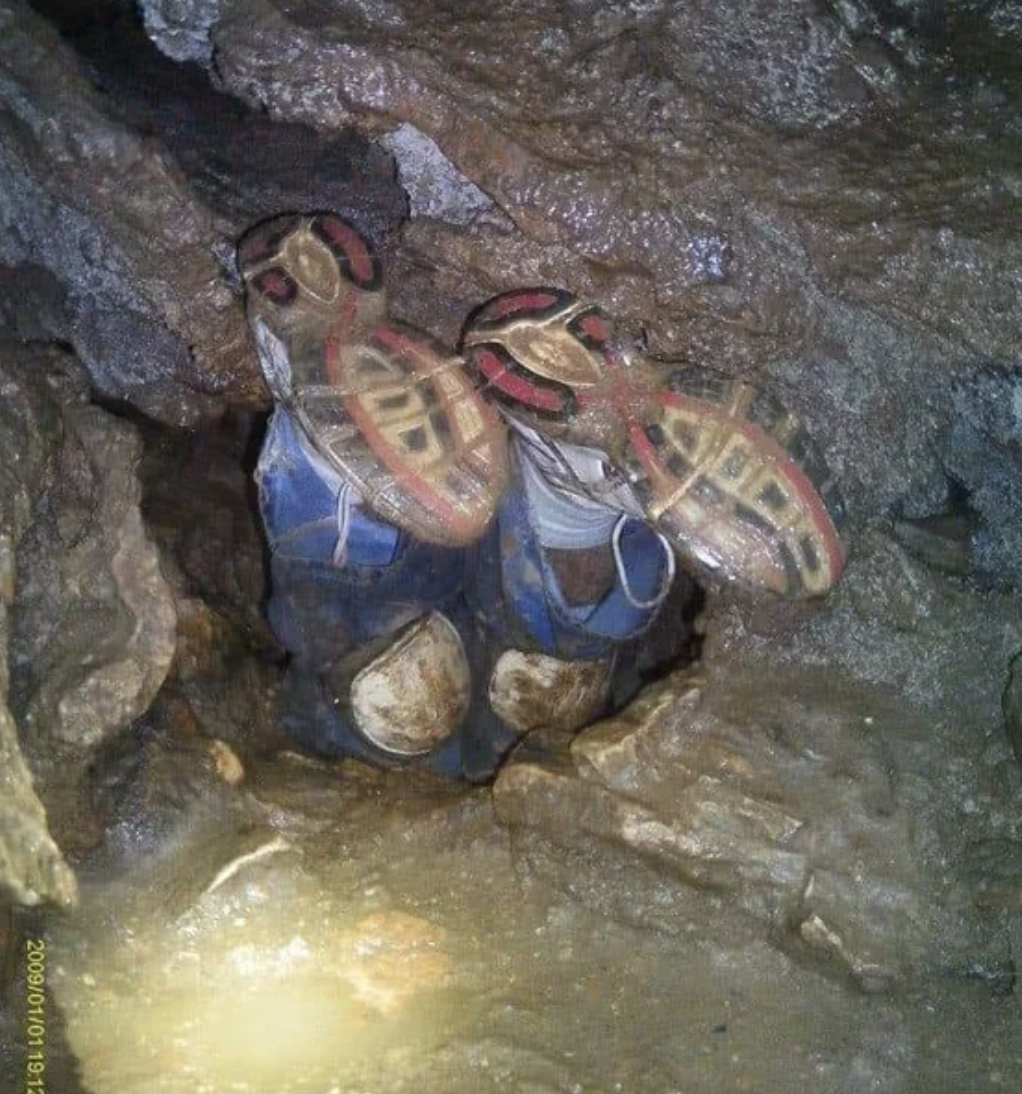
The incident has had a lasting impact on the caving community. It has led to increased emphasis on preparation, mapping, and understanding the risks associated with tight passages. Many caving organizations have since reinforced guidelines to help prevent similar situations.
John Edward Jones is remembered not only for the circumstances of his death but also for who he was as a person. Those who knew him described him as dedicated to his family and committed to his studies. His story continues to be shared as a reminder of both the risks of exploration and the importance of safety.
The renewed attention brought by the documentary has encouraged further discussion about cave safety and emergency response. It also serves as a reflection on the challenges faced by rescue teams in extreme environments, where even the most determined efforts may not always lead to a successful outcome.
Ultimately, the story of John Edward Jones is one of both human curiosity and the limits of what can be overcome in certain conditions. It remains a significant and sobering example of how quickly situations can change in environments that are difficult to predict and control.

