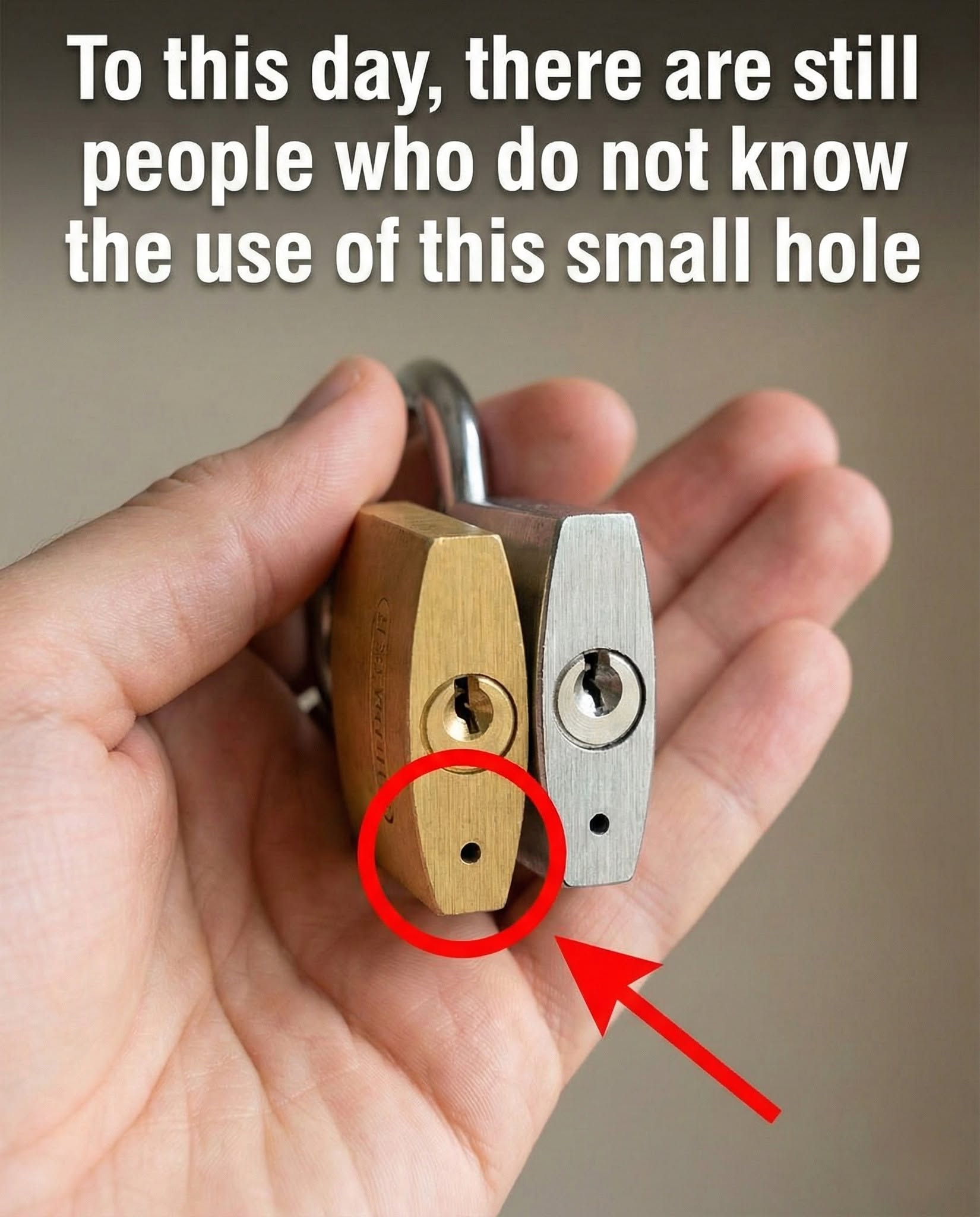
The Surprising Purpose of the Tiny Hole Found on Most Padlocks
A Common Security Tool With an Overlooked Detail
Padlocks are among the most widely used security devices in everyday life. They protect bicycles, storage units, gates, toolboxes, sheds, and countless other belongings that people want to keep secure.
Built to withstand outdoor conditions and resist tampering, these locks are designed for durability. Most people use them regularly without giving much thought to their construction or the small details built into their design.
One of those details is a tiny hole located on the bottom of many padlocks. While it may appear insignificant, this small opening serves several important functions that help maintain the lock’s performance over time.
Why the Small Hole Matters
At first glance, the hole beneath a padlock may seem unnecessary. However, it was intentionally included to address one of the most common threats to metal locks: moisture.
Padlocks are often exposed to rain, humidity, snow, and changing temperatures. When water finds its way inside a lock, it can remain trapped within the mechanism.
If moisture is allowed to collect, corrosion can begin to develop. Rust can damage internal components, making the lock harder to operate and reducing its overall lifespan.
The small opening acts as a drainage channel. Instead of remaining trapped inside the lock, water can escape through the hole.
By allowing moisture to leave the mechanism, the design helps reduce the likelihood of rust and corrosion. This simple feature can significantly improve the reliability and longevity of a lock that spends much of its life outdoors.
Although it is rarely noticed, the drainage hole plays an important role in helping padlocks continue functioning properly through years of exposure to the elements.
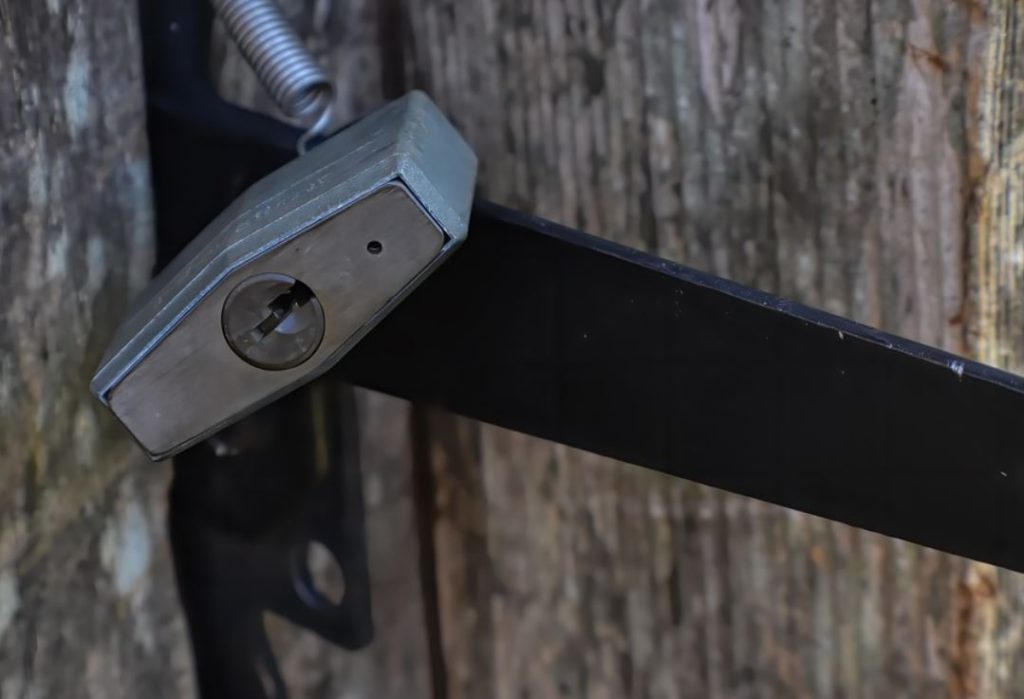
The Challenge of Outdoor Exposure
Locks installed outdoors face constant environmental stress. Rainstorms, damp air, and temperature fluctuations can all affect metal components.
Even a well-made lock can experience problems if water repeatedly enters the internal mechanism and has no way to escape.
Without proper drainage, moisture may remain inside for extended periods. Over time, this can create conditions that encourage rust formation.
Manufacturers recognized this challenge and incorporated drainage holes into many designs. The solution is simple, yet highly effective.
Rather than relying solely on protective coatings, the lock is equipped with a built-in way to remove unwanted water before it causes significant damage.
The Rise of Weatherproof Padlocks
While drainage holes continue to serve an important purpose, lock technology has also evolved over time.
Modern weatherproof padlocks are designed specifically for long-term outdoor use. These models are engineered to withstand harsh environmental conditions throughout the year.
They provide additional protection against moisture and environmental wear while maintaining the security functions people expect from a padlock.
For locations exposed to frequent rain, snow, or extreme weather, weatherproof designs offer another layer of protection against deterioration.
Even so, the traditional drainage feature remains a practical example of how thoughtful engineering can solve everyday problems with a simple design element.
A Second Function Hidden Inside the Design
The tiny hole beneath a padlock does more than allow water to drain away.
It can also help restore functionality when a lock becomes difficult to open.
Over time, dust, dirt, and debris can accumulate within the lock mechanism. In some cases, a lack of lubrication can cause moving parts to become stiff or sluggish.
When this happens, even the correct key or combination may not operate the lock smoothly.
The small opening provides direct access to the internal components. By applying lubricating oil through the hole, users can help loosen stuck parts and improve movement within the mechanism.
This maintenance feature allows the lock to continue operating efficiently without requiring disassembly.
What appears to be a simple opening is therefore performing two important jobs: helping remove moisture and providing access for lubrication when needed.
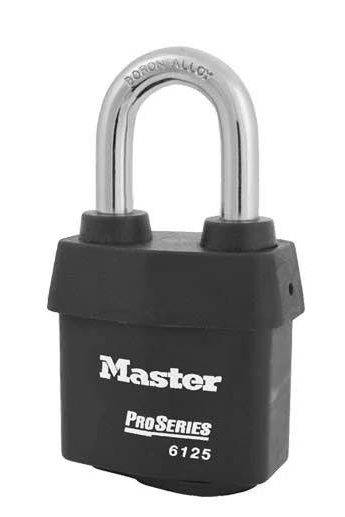
Thoughtful Design in Everyday Products
The hidden purpose of a padlock’s drainage hole demonstrates a broader principle found in many everyday objects.
Numerous household items contain small features that serve practical purposes, even though many people rarely notice them.
These design details often solve common problems, improve convenience, or extend the life of a product.
Once their purpose becomes known, these seemingly minor elements reveal the amount of thought that goes into everyday design.
Screwdrivers That Work With Wrenches
Automotive repairs and mechanical work often involve reaching fasteners located in narrow spaces.
Many screwdrivers are designed with handles or shafts that can fit into a wrench, creating additional leverage and improving access.
This dual-purpose capability helps users work more effectively when ordinary hand positioning is limited by surrounding components.
Although the feature may go unnoticed, it can make a significant difference during repair tasks.
The Purpose of Fabric Swatches on Clothing
Many garments include a small piece of matching fabric attached to the clothing or packaged with it.
These fabric swatches are often mistaken for spare material intended only for repairs.
In reality, they can serve several useful functions.
Owners can test detergents, stain removers, and cleaning products on the swatch before applying them to the garment itself.
This allows them to observe how the material and color respond to various treatments.
The swatch can also be used when searching for matching thread or replacement fabric needed for repairs.
By providing a sample of the original material, manufacturers help consumers make more informed decisions about garment care and maintenance.

Why Brass Appears in Frequently Touched Objects
Material selection is another example of hidden functionality in everyday products.
Brass is commonly used in items that experience frequent human contact, including doorknobs, railings, and padlocks.
One reason for its popularity is its natural antimicrobial properties.
Because brass can resist bacterial growth, it offers practical advantages in environments where surfaces are touched regularly.
This characteristic makes it both a durable and hygienic choice for products used by large numbers of people.
The Small Arrow Near the Fuel Gauge
Drivers occasionally forget which side of a vehicle contains the fuel filler door.
This situation is especially common when driving an unfamiliar car or a rental vehicle.
To address the problem, many vehicles include a small triangular arrow positioned near the fuel gauge.
The arrow points toward the side of the vehicle where the fuel tank opening is located.
Although the symbol is small and often overlooked, it provides an immediate answer when pulling into a fuel station.
This simple indicator eliminates guesswork and helps drivers position their vehicles correctly at the pump.
The Hidden Purpose Behind the Heinz “57” Mark
Some product labels contain features that are both decorative and functional.
The Heinz “57” marking is a well-known example.
Many people recognize it as part of the brand’s visual identity, yet it also serves a practical purpose.
The label indicates the ideal location to tap when encouraging ketchup or sauce to flow from a glass bottle.
This small detail helps users dispense the contents more easily and reduces the frustration often associated with thick sauces.
What appears to be a simple branding element doubles as a useful guide for consumers.
The Value of Small Design Details
Everyday products are often filled with subtle features that perform important functions.
Because these elements blend seamlessly into the overall design, they frequently go unnoticed by the people who use them.
The small hole beneath a padlock is a perfect example. While many assume it serves no purpose, it helps protect the lock from moisture and provides access for lubrication when the mechanism becomes difficult to operate.
Similar hidden functions can be found in tools, clothing, vehicles, household fixtures, and food packaging.
Each feature is designed to solve a practical problem while making the product more effective and convenient to use.
These examples demonstrate that thoughtful engineering is often found in the smallest details. Whether it is a drainage hole in a padlock, a fabric swatch on clothing, or a tiny arrow beside a fuel gauge, simple design choices can provide benefits that far exceed their size.
By paying closer attention to these overlooked features, people may discover that many ordinary objects contain clever solutions hiding in plain sight.
