
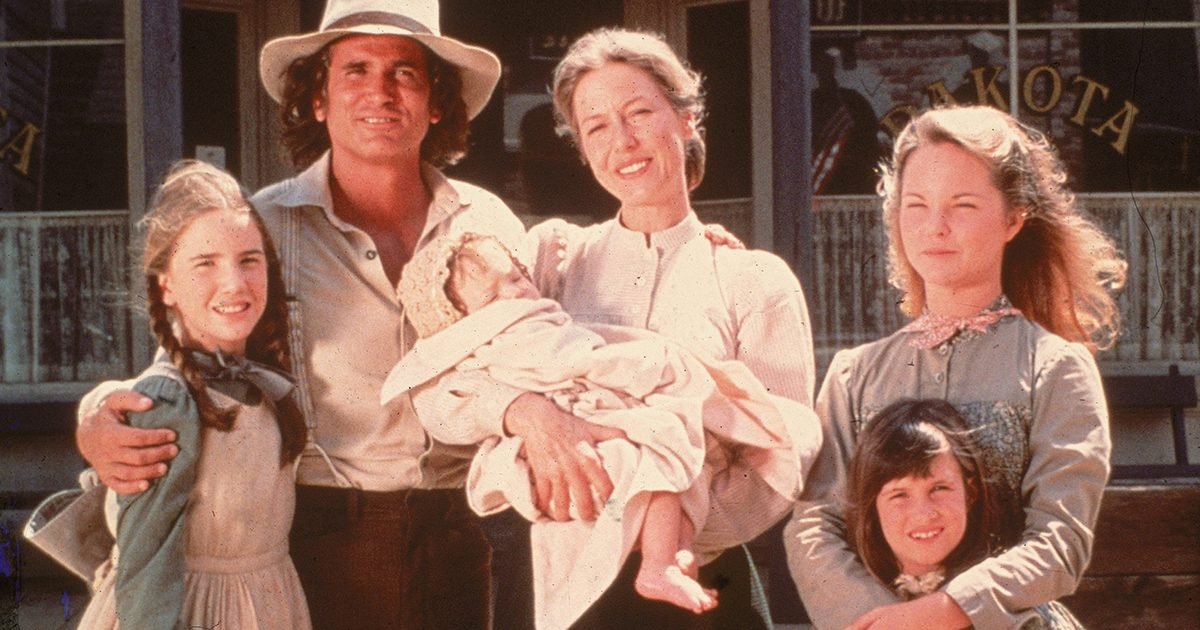
If you think Little House on the Prairie was completely flawless, a closer look reveals a different reality. While the series is widely remembered for its heartfelt storytelling, strong moral lessons, and nostalgic portrayal of frontier life, it was not immune to continuity errors, production oversights, and behind-the-scenes imperfections. These small inconsistencies do not diminish its legacy, but they do offer an interesting perspective on how television was produced at the time.
For many viewers, the show remains a cherished part of television history. Based on the books by Laura Ingalls Wilder, the series brought audiences into the daily lives of the Ingalls family, highlighting themes of resilience, honesty, and community. Even today, reruns continue to attract viewers who appreciate its emotional depth and timeless values.

However, attentive fans over the years have noticed a number of inconsistencies that stand out upon repeated viewing.
One commonly discussed issue involves Laura’s pregnancy storyline. Portrayed by Melissa Gilbert, Laura announces her pregnancy late in one season, during what appears to be spring or summer. Yet, by the following summer, she is still expecting. This extended timeline creates confusion, as it suggests an unusually long pregnancy. The inconsistency likely reflects a disconnect between the writing and production schedule rather than an intentional narrative choice.
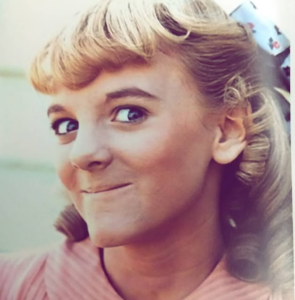
Another well-known detail concerns Nellie Oleson, played by Alison Arngrim. Nellie became one of the show’s most memorable characters, known for her mischievous personality and distinctive blonde curls. Achieving that iconic hairstyle, however, proved challenging. Initially, Arngrim’s natural hair was styled using heated curling tools, a process that was both time-consuming and uncomfortable. Eventually, the production team opted for a wig, secured with pins and a metal comb, to maintain consistency and reduce the strain on the actress.
The show also includes a humorous historical inconsistency involving Colonel Sanders, the founder of KFC. In one episode, his character appears as part of a storyline involving a restaurant franchise. While entertaining, this cameo does not align with the show’s timeline, which is set in the late 19th century—decades before Colonel Sanders was even born. This moment is often cited as a playful but obvious anachronism.

Weather-related inconsistencies are another recurring observation. In episodes set during winter, characters are sometimes seen without appropriate clothing for cold conditions. For example, scenes set in places like Minneapolis depict characters walking outdoors without heavy coats, despite the region’s typically harsh winters. This discrepancy can be explained by the fact that many scenes were filmed in warmer locations, such as Tucson, where replicating authentic winter conditions posed practical challenges.
Costume design also occasionally diverged from historical accuracy. In certain scenes, undergarments such as modern bras are briefly visible, even though such garments were not introduced until the early 20th century. Hairstyles, too, sometimes reflected contemporary trends of the 1970s rather than those of the 1870s and 1880s. Similarly, many male characters appear clean-shaven, despite historical records showing that beards were far more common during that era.

Some production shortcuts become apparent during action scenes. In one episode, a dramatic moment involving a character being thrown from a moving train reveals the use of a dummy, which is clearly visible upon closer inspection. While such techniques were standard in television production at the time, they can appear noticeable to modern audiences.
Behind the scenes, cast dynamics added another layer of complexity. Melissa Sue Anderson, who played Mary Ingalls, was widely respected for her performance. However, some of her co-stars later described her as reserved or distant during filming. These perceptions were often attributed to her personal circumstances, including the influence of a protective family environment.

In contrast, the on-screen rivalry between Laura and Nellie did not reflect real life. Melissa Gilbert and Alison Arngrim developed a close friendship off-screen, often spending time together and sharing lighthearted moments between takes. Their bond highlights the difference between scripted conflict and genuine relationships among cast members.
The show also addressed serious themes, including grief and loss. In the episode “My Ellen,” a tragic drowning leads to emotional consequences for Laura, who is blamed by the victim’s mother. While the storyline is powerful, some viewers have noted that the reactions of other adults in the scene seem limited, leaving Laura to process the situation largely on her own. This has been interpreted as a storytelling choice that emphasizes emotional impact, though it may feel incomplete from a realistic standpoint.

Pranks and humor were also part of the filming environment, often led by Michael Landon. Known for his leadership on set, Landon occasionally engaged in playful antics with younger cast members, contributing to a lively atmosphere behind the scenes.
Not all moments were lighthearted, however. Tensions occasionally arose, including a reported rift between Melissa Gilbert and Michael Landon following personal revelations about his private life. Such events illustrate that, despite the show’s portrayal of unity and family values, real-life relationships among cast members were sometimes more complicated.

Production details, such as reused props, also became noticeable over time. A particular quilt, for example, appears in multiple households throughout the series, suggesting practical reuse rather than strict continuity. Similarly, the routes characters take to school or between locations vary from episode to episode, reflecting the realities of filming logistics rather than a consistent geographical layout.
Safety challenges were another aspect of production. Dean Butler, who portrayed Almanzo Wilder, experienced a near-accident during his early days on set when handling a horse-drawn wagon. The situation was resolved without injury, but it highlights the risks involved in filming scenes with animals and period equipment.
The storyline of Albert Ingalls, played by Matthew Labyorteaux, also leaves some ambiguity. In later episodes, the character is diagnosed with a serious illness, but his ultimate fate is not explicitly shown, leaving room for interpretation among viewers.

In the series finale, set around 1901, another continuity issue emerges. Characters appear largely unchanged in age, despite the passage of time. Historically, many of these individuals would have been significantly older, which creates a noticeable discrepancy between the narrative timeline and visual portrayal.
Finally, the absence of Katherine MacGregor, who played Harriet Oleson, in the final episode has been attributed to various factors, including personal commitments and reported disagreements related to her role.
Taken together, these details provide a deeper understanding of the challenges involved in producing a long-running television series. While Little House on the Prairie may not have been perfect, its enduring popularity speaks to its emotional resonance and cultural impact. The minor errors and inconsistencies serve as reminders of the human effort behind the production, adding an extra layer of authenticity to a show that continues to be appreciated by audiences across generations.

