
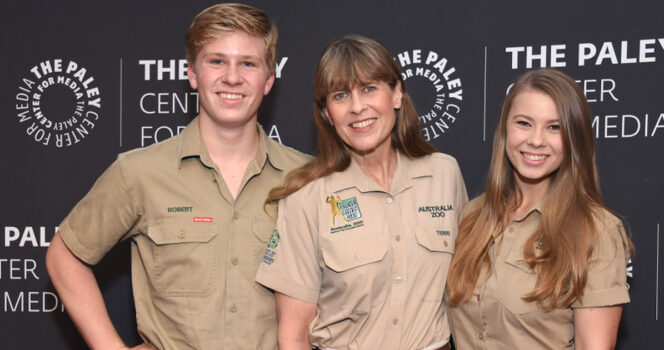
Robert Irwin Reflects on Dangerous Crocodile Encounter During Television Appearance
A Life Shaped by Wildlife and Legacy
Robert Irwin has spent his entire life surrounded by some of the world’s most dangerous animals, continuing a path closely connected to his family’s long-standing dedication to wildlife conservation. Growing up in an environment where crocodiles, snakes, and other high-risk species are part of daily work has shaped both his career and public identity.
From an early age, Robert was exposed to the realities of wildlife education and animal conservation, especially through the influence of his late father, who became globally known for his energetic approach to wildlife filmmaking and environmental awareness. That legacy continues to shape how Robert is perceived today, with many observers noting similarities in passion, communication style, and fearlessness.
Robert Irwin was only 2 years old when the world lost the beloved “Crocodile Hunter” after a short-tail stingray barb pierced his chest during filming near the Great Barrier Reef.
Steve, 44, had built a global following through his fearless wildlife work, energetic personality, and deep passion for conservation, turning dangerous animal encounters into unforgettable lessons about protecting nature.
Over time, that legacy has remained deeply embedded in public memory, and many fans believe they now see the continuation of that same spirit through Robert’s work and presence in the conservation world.
Growing Up at Australia Zoo
Now 22, Robert has become one of Australia’s most recognized young conservationists. His daily life involves working closely with crocodiles, snakes, and other dangerous animals at Australia Zoo, alongside his family members, including his 27-year-old sister Bindi and his mother Terri, 61.
The zoo environment has played a central role in shaping his confidence around wildlife. Instead of treating animals solely as attractions, the work focuses heavily on conservation, research, and education. This hands-on approach has helped him develop a reputation for being both knowledgeable and calm in situations that many would consider extremely risky.
Whether appearing in documentaries, engaging with educational content online, or participating in television interviews, Robert is frequently described by viewers as someone who carries the same presence as his father. Many observers highlight not only physical resemblance but also shared humor, expressive energy, and natural storytelling ability.
Comments from audiences often emphasize that he is “so much like his dad,” reflecting both emotional connection and admiration for how the legacy continues through a new generation.
The Crocodile Named After a Talk Show Host
One of the most widely discussed moments from Robert’s recent television appearance came during his interview on The Tonight Show Starring Jimmy Fallon on May 5, 2026. During the conversation, he shared a story involving a crocodile he had named after the host years earlier.
The crocodile, now approximately 14 feet long, has grown significantly since it first received its name. Robert described it in lighthearted terms while explaining how its size and behavior have changed dramatically over time.
“He’s not a baby anymore,” Robert joked while speaking with Fallon. “I named this crocodile Jimmy Fallon, like, years ago, and he’s now what we call a boss croc. He’s huge.”
The audience reacted with laughter as Robert described the situation, blending humor with the reality of working closely with large, unpredictable reptiles. His storytelling style mirrored the same engaging approach that has long been associated with wildlife education in his family.
Hands-On Wildlife Research and Conservation Work
Robert also used the interview to explain the practical side of crocodile research conducted at Australia Zoo. The work involves direct interaction with animals as part of conservation efforts aimed at improving understanding of their behavior in natural environments.
This method of research requires close physical engagement, which is carried out with strict procedures and trained professionals. The process has been developed over years of conservation work within the organization and remains a core part of its approach to studying crocodiles safely and effectively.
During the discussion, Robert referenced the method used in these situations, explaining its origins within the family’s conservation practices and how it is applied in controlled environments for research purposes.
He described the intensity of the work in a way that reflected both respect for the animals and awareness of the risks involved, reinforcing the idea that conservation often requires direct and physically demanding interaction with wildlife.
A Dangerous Moment During Field Work
While the conversation on television included lighthearted moments, Robert also recounted a serious and physically intense incident involving the crocodile named after Jimmy Fallon. The situation highlighted just how unpredictable wildlife encounters can be, even for experienced handlers.
He explained that during a conservation task, he physically engaged with the crocodile in the course of research. The animal reacted immediately and forcefully, creating a dangerous situation that escalated within seconds.
“So I jumped on the back of Jimmy Fallon and he…And get this. The little…he death rolled me,” he told the host as the audience reacted strongly to the story.
The crocodile’s reaction involved a rapid spinning motion, a behavior commonly referred to as a death roll, which is used by crocodiles in the wild as part of their natural hunting instinct. The movement created a sudden and overwhelming physical force during the encounter.
Robert continued describing the moment in detail, emphasizing the scale and intensity of the situation:
“I jumped onto him. I kid you not, 14-foot of crocodile, big croc, death-rolls me,” he recalled. “So, I’m stuck underneath him with my arm hanging out.”
The force of the movement left him pinned beneath the animal, with the weight and pressure creating a highly dangerous scenario that required immediate adjustment and response.
“I’ve got like probably, I don’t know, maybe 700 pounds on top of me,” he continued. “And I’m just like, ‘What do I do?’ And luckily he rolled back the other way, and I was fine. But he’s a goer.”
The moment ended without serious injury, but it highlighted the unpredictable nature of working directly with large crocodiles and the level of experience required to manage such encounters safely.
Public Reaction and Online Commentary
Following the broadcast, the story quickly gained attention across social platforms, where viewers reacted strongly to both the humor and the intensity of Robert’s account. Many comments focused on his resemblance to his father and the continuation of a familiar conservation legacy.
Some viewers expressed admiration for the way he carries himself in high-risk situations while still maintaining a light and engaging communication style. Others emphasized the emotional connection they feel between Robert and his father’s legacy.
One viewer commented, “He’s got so much of his dad’s energy it’s crazy. Absolutely wonderful,” highlighting the strong sense of continuity perceived by audiences.
Another shared, “Gosh he is his pops man,” reflecting the widespread sentiment that Robert embodies characteristics strongly associated with his father’s public persona.
A further reaction stated, “It’s almost like he’s Steve reincarnated,” underscoring how deeply the legacy continues to resonate with viewers around the world.
Continuing a Conservation Legacy
Robert Irwin’s work reflects a continuation of a family commitment to wildlife conservation that has been publicly recognized for decades. His involvement in education, animal care, and media appearances demonstrates a consistent focus on raising awareness about wildlife and environmental protection.
While his experiences often involve high-risk interactions with animals, they are grounded in structured conservation practices and scientific research. These efforts aim to improve understanding of species such as crocodiles while promoting respect for their role in the ecosystem.
Through his growing public presence, Robert has become a recognizable figure in modern wildlife education, blending traditional fieldwork with contemporary media engagement. His ability to communicate complex experiences in an accessible and often humorous way has helped maintain public interest in conservation topics.
As his career continues to develop, his experiences reflect both the challenges and responsibilities that come with working closely with dangerous wildlife. The balance between education, safety, and conservation remains central to his role within Australia Zoo and beyond.
A Continuing Public Fascination
The combination of personal legacy, wildlife expertise, and high-profile media appearances has contributed to ongoing public interest in Robert Irwin’s journey. His stories, particularly those involving close encounters with crocodiles, continue to capture attention due to their intensity and authenticity.
These moments not only highlight the realities of wildlife conservation work but also reinforce the enduring connection audiences feel toward his family’s long-standing involvement in environmental education.
Through continued fieldwork and public engagement, Robert remains a prominent figure in wildlife conservation, carrying forward a legacy that has shaped global awareness of animal behavior and protection efforts for many years.

