
Jim Morrison: The Life, Career, and Lasting Legacy of a Rock Icon
Early Life and Family Background
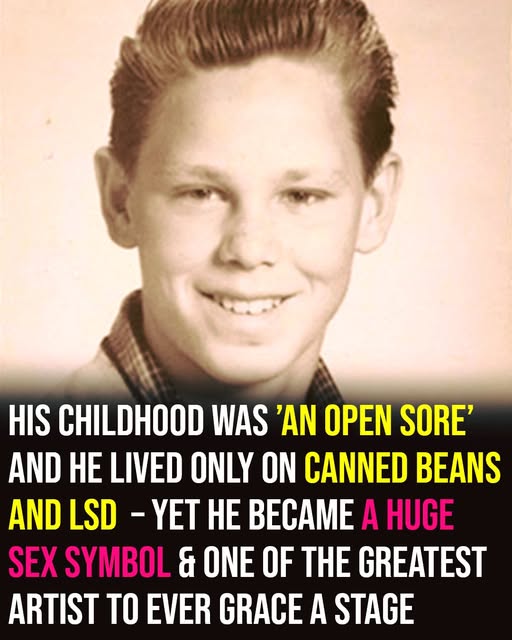
Jim Morrison is widely regarded as one of the most influential figures in rock history, remembered for his distinctive voice, poetic lyrics, and intense stage presence. As the lead singer of The Doors, he helped shape the sound and cultural identity of 1960s rock music by blending music with poetry, philosophy, and theatrical performance.
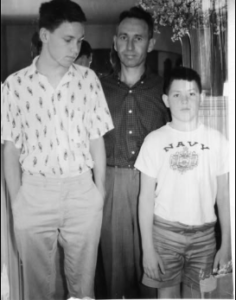
He was born on December 8, 1943, in Melbourne, Florida, into a military family. His father, George Stephen Morrison, served as a high-ranking officer in the United States Navy and later played a role during the Vietnam-era Gulf of Tonkin period. Because of his father’s career, Morrison spent much of his childhood moving between different states across the U.S., which meant he rarely stayed in one place for long.
This constant relocation influenced his early development. Changing schools frequently made it difficult to form long-term friendships, but it also exposed him to a variety of environments and perspectives. These experiences later contributed to his independent mindset and his interest in expressing complex emotional and philosophical themes through art.
Education and Artistic Development
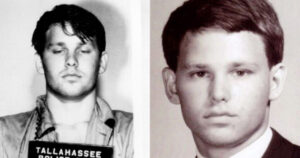
Morrison eventually attended the University of California, Los Angeles (UCLA), where he studied film. During this period, he became increasingly interested in poetry, literature, and experimental storytelling. His time at UCLA marked an important shift in his creative direction, as he began writing more seriously and exploring unconventional forms of expression.
While studying, Morrison developed a strong fascination with poetry and performance as a way to communicate ideas beyond traditional narrative structures. He began to see writing not just as storytelling, but as a form of emotional and psychological exploration.
After leaving UCLA, he moved to Venice Beach in California. The area’s artistic and countercultural atmosphere gave him the freedom to focus on writing and creative exploration. Surrounded by musicians, poets, and artists, he immersed himself in a lifestyle centered on artistic experimentation and personal expression.
The Formation of The Doors
During his time in Venice Beach, Morrison met Ray Manzarek, another UCLA student with a shared interest in music and creativity. Their collaboration led to the formation of The Doors, later joined by guitarist Robby Krieger and drummer John Densmore.
The band’s name was inspired by Aldous Huxley’s book “The Doors of Perception,” which itself referenced a line by poet William Blake. This literary influence reflected the intellectual direction the group would take, combining rock music with poetic and philosophical themes.
The Doors developed a unique sound that blended rock, blues, and psychedelic elements. Morrison played a central role in shaping the band’s identity through his lyrics, which often explored themes such as life, death, freedom, and human consciousness. His writing gave the band a deeper artistic dimension that distinguished them from many of their contemporaries.
Rise to Fame and Musical Impact
By the late 1960s, The Doors had achieved significant commercial success. Their song “Light My Fire” became a number-one hit on the Billboard Hot 100 chart and established them as a major force in the music industry. Their debut album also received widespread recognition and helped define the psychedelic rock movement.
Morrison became known for his powerful and unpredictable stage presence. His performances often combined music with spoken word, improvisation, and dramatic physical expression. This style attracted large audiences and contributed to the band’s reputation as one of the most innovative acts of the era.

At the same time, his unpredictable behavior during live shows sometimes caused controversy. While some fans viewed him as a visionary artist, others saw his performances as disruptive. This dual perception became a defining aspect of his public image and reinforced his status as a symbol of artistic rebellion during the counterculture movement.
Personal Struggles and Creative Challenges
As his fame increased, Morrison struggled with alcohol use, which began to affect both his personal life and professional responsibilities. Reports from those close to the band described difficulties during recording sessions, including inconsistent attendance and periods of disorganization.
Despite these challenges, The Doors continued to produce successful albums, including Strange Days, Waiting for the Sun, The Soft Parade, Morrison Hotel, and L.A. Woman. These records remain highly regarded for their lyrical depth and experimental musical style.
Morrison’s personal relationships were also complex. His long-term relationship with Pamela Courson was marked by both emotional closeness and instability. This relationship played a significant role in his life and often reflected the emotional intensity that characterized much of his work.
Legal Issues and Public Controversies
Throughout his career, Morrison faced several legal issues related to his behavior during public performances. One of the most well-known incidents occurred in Miami in 1969, where he was later convicted of charges involving disorderly conduct and indecent exposure. He denied some of the allegations, and the case remains debated in discussions of his life and legacy.
These controversies contributed to his complex reputation. While many admired him as a groundbreaking artist, others focused on his legal problems and unpredictable behavior. This contrast added to the public fascination surrounding him and reinforced his image as both a creative genius and a controversial figure.
Later Years and Move to Paris
By the early 1970s, Morrison began distancing himself from the demands of fame and live performance. He developed a stronger focus on poetry and writing, seeking a quieter life away from public attention. In 1971, he moved to Paris, France, with Pamela Courson.
In Paris, Morrison lived more privately and devoted much of his time to writing and reflection. Although he had stepped away from the music industry, his influence continued to grow as The Doors’ work remained widely celebrated.
Death and Enduring Mystery
On July 3, 1971, Jim Morrison was found dead in his apartment in Paris at the age of 27. No autopsy was performed under French law at the time, and the official cause of death was listed as heart failure. The lack of detailed medical information has contributed to ongoing speculation about the circumstances of his death.
His passing marked the end of a short but highly influential career. Morrison became part of the group often referred to as the “27 Club,” musicians who died at the age of 27 and left a lasting cultural impact.
Legacy and Cultural Influence
Jim Morrison remains a significant figure in rock history. Through his work with The Doors, he helped create music that combined poetry, philosophy, and experimental sound. His artistic approach continues to influence musicians, writers, and performers.
His legacy extends beyond music into broader cultural discussions about creativity, individuality, and artistic expression. Morrison’s ability to merge literature with rock performance helped redefine what popular music could represent.
Decades after his death, Jim Morrison is still remembered as a complex and influential artist whose work captured both the energy and uncertainty of his era, leaving a lasting impact on modern music and culture.

