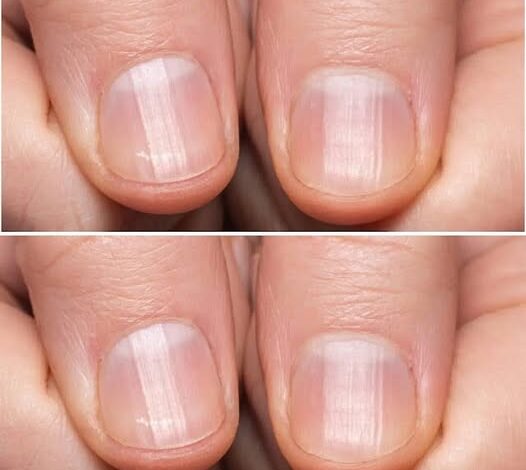
What Striped Nails Can Reveal About Your Health
Why Nail Changes Should Not Be Ignored
Nails often reflect what is happening inside the body. Subtle changes such as lines, ridges, or discoloration can appear harmless at first, but they may sometimes provide early clues about underlying health conditions.
These changes can affect both fingernails and toenails, and they vary widely in appearance. Some are part of normal aging, while others may signal nutritional imbalances or medical concerns.
Understanding these differences can help you respond appropriately and take better care of your overall well-being.
Different Types of Nail Stripes and Ridges
Striped nails are not all the same. They can appear as vertical ridges, horizontal grooves, or white and dark streaks. Each type may have different causes and levels of concern.
Observing the direction, color, and depth of these lines is important when trying to understand what your nails might be indicating.
Vertical Ridges and Their Common Causes
Vertical ridges are fine lines that run from the base of the nail to the tip. They are among the most common nail changes people experience.
In many cases, they are simply a natural part of aging. As nail growth slows over time, the surface of the nail may become less smooth.
Mild dehydration can also make vertical ridges more noticeable. When the body lacks sufficient moisture, nail texture may appear uneven.
Nutrient levels can also play a role. Low intake of vitamins and minerals such as biotin, iron, or zinc may contribute to changes in nail texture.
While these ridges are usually harmless, supporting nail health through proper hydration and a balanced diet can help improve their appearance over time.
Horizontal Ridges and Potential Health Disruption
Horizontal ridges, also known as Beau’s lines, differ significantly from vertical ones. They run across the width of the nail rather than along its length.
These grooves often indicate that nail growth was temporarily interrupted.
This interruption can occur after significant physical stress on the body, such as severe illness, surgery, or high fever.
Nutritional deficiencies, particularly involving protein, zinc, or iron, may also contribute to their development.
In some cases, horizontal ridges can be associated with conditions such as thyroid disorders, diabetes, or circulation-related issues.
Because of these possible connections, persistent or unexplained horizontal ridges should be evaluated by a healthcare professional.
Supporting recovery through proper nutrition and general health care can also help as the nail gradually grows out.
White Stripes and Spots on Nails
White streaks or spots on nails, often referred to as leukonychia, are another commonly observed change.
These marks are frequently caused by minor injury to the nail or nail bed, even if the trauma is not remembered.
Nutritional factors may also be involved, particularly low levels of zinc or protein.
In most cases, these white marks grow out naturally as the nail continues to grow.
However, persistent or widespread changes may sometimes be linked to more serious underlying conditions affecting organs such as the liver or kidneys.
When white streaks do not improve over time, medical evaluation may be necessary to rule out deeper causes.
Dark Stripes and Discoloration
Dark lines or discoloration on the nails require closer attention compared to other types of nail changes.
One possible cause is melanonychia, a condition where increased pigment develops within the nail.
While this can sometimes be harmless, it may also be associated with more serious conditions.
In rare cases, dark vertical streaks can indicate nail melanoma, a form of skin cancer that requires early diagnosis and treatment.
Warning signs include changes in the width of the stripe, irregular borders, or spreading pigmentation.
Any new or changing dark streak should be assessed by a medical professional as soon as possible.
Brittle Nails and Hormonal Influences
Nails that are brittle, weak, or grooved may sometimes reflect hormonal changes within the body.
An underactive thyroid, known as hypothyroidism, is one condition that can affect nail strength and growth.
Hormonal fluctuations during pregnancy or menopause can also influence nail texture and make nails more prone to splitting or ridging.
When nail changes occur alongside symptoms such as fatigue, hair thinning, or unexplained weight changes, further medical evaluation may be needed.
Addressing underlying hormonal issues through proper medical care can help improve nail health over time.
Supporting Strong and Healthy Nails
Even when nail stripes are harmless, maintaining nail health is important.
Simple daily habits can make a significant difference in strength and appearance.
Keeping nails and cuticles moisturized helps prevent dryness and brittleness.
Protecting nails from harsh chemicals by wearing gloves during cleaning can reduce damage.
A balanced diet that includes nutrients such as biotin, iron, zinc, and omega-3 fatty acids supports healthy nail growth.
Staying well hydrated also helps maintain nail flexibility and reduces the risk of splitting.
Regular observation of nail changes ensures that any unusual developments are noticed early.
When Medical Attention Is Necessary
Not all nail changes require concern, but certain signs should not be ignored.
If striped nails appear alongside fatigue, pain, swelling, or other noticeable symptoms, further evaluation may be necessary.
Sudden changes in nail color, persistent discoloration, or new dark streaks should also be assessed promptly.
A healthcare professional can perform appropriate examinations and tests to determine whether the cause is harmless or linked to an underlying condition.
What Nail Stripes May Be Telling You
Nail stripes and ridges can range from completely harmless to potentially significant health indicators.
Vertical ridges are often related to aging or minor lifestyle factors, while horizontal lines, white streaks, or dark discoloration may sometimes point to deeper issues.
Although many nail changes are not serious, they can still provide valuable insight into overall health.
Paying attention to these subtle signals allows for earlier awareness and better health management.
Listening to Your Body Through Your Nails
Nails are more than just cosmetic features. They can reflect internal changes that might otherwise go unnoticed.
While not every ridge or stripe is a cause for alarm, being aware of patterns and changes is an important part of self-care.
Supporting nail health through nutrition, hydration, and protection can improve both appearance and strength.
When in doubt, professional medical advice can provide clarity and peace of mind.
By observing your nails closely, you gain another way to understand your body and maintain long-term well-being.
