
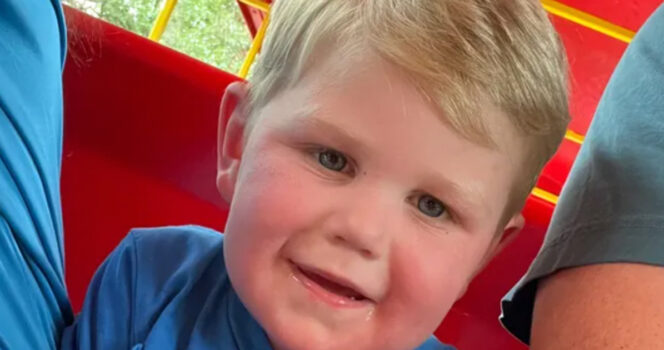
A two-year-old boy in Georgia is receiving intensive medical care after a severe encounter with a swarm of yellow jackets left him critically ill and facing multiple organ complications.
Beckham Reed was playing outdoors with his cousins, riding an electric toy car, when he accidentally disturbed a yellow jacket nest. According to reports and a fundraiser created by his family, the insects quickly swarmed and stung him repeatedly. The attack resulted in more than 150 stings, an amount that can be dangerous even for healthy adults and especially serious for a small child.
Following the incident, Beckham was taken to an emergency room where he received initial treatment, including medications commonly used to manage allergic reactions and pain. After being stabilized, he was discharged. However, within the next 24 hours, his condition worsened significantly.
His parents noticed that his skin began turning yellow, a symptom that can indicate serious internal issues, including liver distress. Recognizing the severity of the situation, they rushed him back to the hospital for further evaluation.
Doctors determined that Beckham was experiencing multi-organ failure. His kidney, liver, and heart had all been affected by the toxic effects of the venom introduced into his system through the large number of stings. The situation was further complicated by the fact that Beckham was born with only one functioning kidney, which limited his body’s ability to cope with the stress caused by the toxins.
Due to the seriousness of his condition, he was transferred to the intensive care unit at Memorial Health in Savannah. There, medical teams initiated advanced life-support measures. He was placed on a ventilator to assist with breathing, received dialysis to support kidney function, and was given intravenous medications aimed at stabilizing his condition.
Medical professionals involved in his care have indicated that treatment in cases like this focuses on supportive care rather than a direct antidote. Unlike some other venomous exposures, there is no widely available antivenom specifically for yellow jacket stings. Instead, doctors work to maintain vital organ function while the body gradually processes and clears the toxins.
The severity of Beckham’s condition highlights how dangerous mass envenomation can be, particularly in young children. Factors such as body size, overall health, and the number of stings all influence how the body responds. In Beckham’s case, his age and pre-existing medical condition made the situation especially critical.
His father, Peyton Reed, has remained by his side throughout the hospitalization, taking time away from work to support his son during the recovery process. Family members have described the experience as both frightening and emotionally overwhelming, as they navigate uncertainty while waiting for signs of improvement.
Despite the seriousness of the situation, there have been encouraging developments. Recent updates shared by the family indicate that Beckham’s liver and kidney function have begun to show signs of recovery. These improvements suggest that his body is gradually responding to treatment and beginning to stabilize.
Family updates have also noted that Beckham is becoming more responsive. He has started waking up more frequently, which is considered a positive sign by his medical team. Small indicators of responsiveness, such as movement and awareness, are often important milestones in recovery for patients who have been in critical condition.
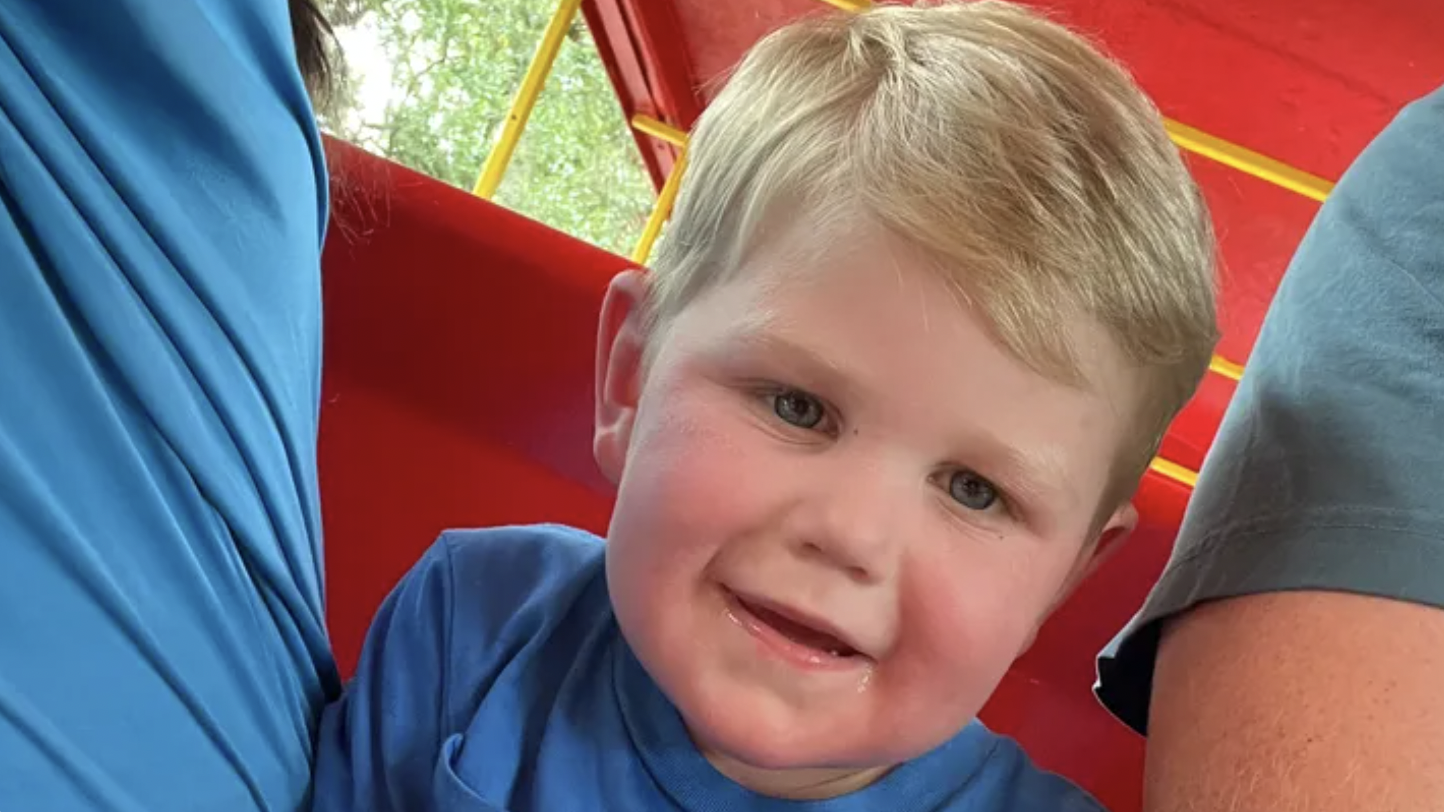
The recovery process, however, is expected to be gradual. Doctors have cautioned that healing from such a significant physiological event can take time, especially given the extent of the initial damage. Continuous monitoring and supportive care will remain essential as his body continues to recover.
The incident has also brought attention to the risks associated with yellow jackets, which are known to be more aggressive than some other stinging insects, especially when their nests are disturbed. They can sting multiple times, increasing the amount of venom delivered during an attack.
Experts often advise taking precautions when spending time outdoors, particularly in areas where nests may be hidden. Avoiding sudden disturbances near the ground, wearing protective clothing when appropriate, and being aware of insect activity can help reduce risk, though accidents can still happen unexpectedly.
For Beckham’s family, the focus remains on his recovery. They have expressed gratitude for the medical care he is receiving and for the support they have received from others during this difficult time. Updates shared publicly have emphasized both the seriousness of his condition and the hope they feel as he continues to show signs of improvement.
As he remains under close medical supervision, each step forward is being closely watched. While challenges remain, the progress seen so far has provided cautious optimism for his continued recovery.
The situation serves as a reminder of how quickly medical emergencies can develop, particularly in young children, and how important timely medical attention and ongoing care can be in critical cases.

