
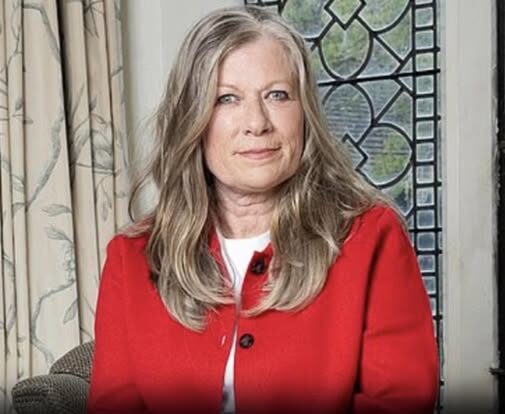
The final journey of Wendy Duffy has drawn widespread attention, prompting emotional reactions and thoughtful discussion across many communities. Her decision to travel to Switzerland for an assisted death has not only touched those who followed her story but has also contributed to a broader conversation about grief, mental health, and personal autonomy.
Duffy, 56, chose to go to Pegasos Swiss Association, a facility that operates within Switzerland’s legal framework for assisted dying. The country has long been known for allowing such procedures under strict conditions, provided individuals meet legal requirements and demonstrate clear, independent intent. Her case quickly became a focal point for public discussion, in part because of the deeply personal reasons behind her decision.
According to reports, Duffy had struggled profoundly in the years following the death of her son, Marcus, who passed away at the age of 23. The loss had a lasting emotional impact on her life, shaping the path that ultimately led to her decision. In the days before traveling, she spoke openly about her choice, emphasizing that it had been carefully considered and was not made impulsively.
She expressed a sense of certainty about her decision, acknowledging that it would be difficult for those close to her but maintaining that it was what she wanted. Her statements reflected both the weight of her grief and her determination to follow through with what she saw as a personal resolution.
In preparation for her final moments, Duffy arranged several details in advance. She wrote letters to loved ones, selected the clothing she wished to wear, and chose music to accompany her. These preparations suggested a desire to maintain control over the circumstances and to leave behind a sense of closure for those she cared about.
Her final message—“Please be happy for me”—resonated widely after her passing. For many, those words captured the complexity of her situation, blending a request for understanding with an acknowledgment of the emotional difficulty surrounding her choice.
Her death was confirmed by Ruedi Habegger, the founder of Pegasos, who stated that the process was carried out peacefully and in accordance with established procedures. He noted that professionals involved were satisfied that she understood her decision and acted of her own free will. As with all such cases, the emphasis remained on ensuring that legal and ethical standards were followed.
Central to Duffy’s story is the loss of her son. She had previously described the circumstances surrounding his death, which began with what appeared to be an ordinary moment at home. When she discovered that something was wrong, she attempted to help immediately, using her medical training to perform CPR while emergency services were contacted. Despite these efforts, Marcus had suffered severe oxygen deprivation.
He was later declared brain dead after being hospitalized, and Duffy remained with him during his final days before life support was withdrawn. She later spoke about spending time with him after his passing, including moments at the funeral home where she listened to music he had enjoyed. These experiences, she explained, left a lasting and profound impact on her life.
The public response to her story has been varied. Many have expressed deep sympathy for the grief she carried, recognizing the enduring pain that can follow the loss of a child. Others have focused on the broader ethical questions raised by assisted dying, particularly in cases where emotional suffering is a primary factor rather than physical illness.
Her case has contributed to ongoing discussions about how societies approach end-of-life decisions. It has highlighted differences in legal frameworks across countries and raised questions about how best to support individuals dealing with long-term grief and mental health challenges. While some view assisted dying as a matter of personal autonomy, others emphasize the importance of expanding access to support systems that address emotional distress.
At the same time, Duffy’s story has drawn attention to the complexities of grief itself. The loss of a loved one, especially a child, can have long-lasting effects that shape a person’s life in ways that are not always visible. Her experience has prompted many to reflect on how grief is understood and how individuals can be supported through it.
Ultimately, her final journey has become more than a personal story. It has sparked a broader reflection on difficult topics that do not have simple or universal answers. For some, it underscores the importance of respecting individual choice. For others, it raises questions about the responsibilities of society in providing care and support.
What remains clear is that Wendy Duffy’s story has left a lasting impression. It has encouraged conversations about empathy, understanding, and the need to approach sensitive issues with care. While perspectives may differ, her experience continues to resonate as part of a wider dialogue about life, loss, and the choices people make in response to both.

