
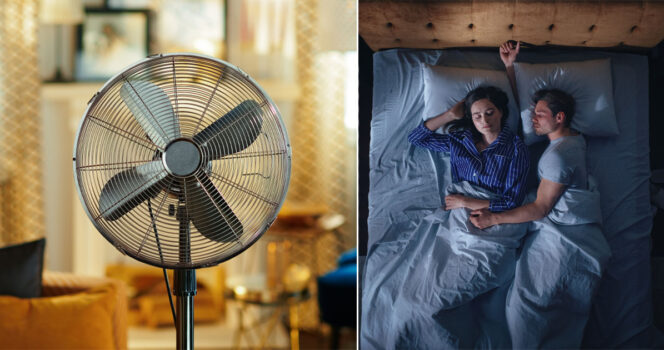
Sleeping with a fan on during warm nights is a common habit for many people, especially as temperatures rise in late spring and summer. It can feel like a simple and effective way to stay cool, but sleep experts are increasingly pointing out that it may also come with certain downsides, particularly for some individuals.
As the warmer months approach, maintaining an ideal sleeping environment becomes more difficult. Sleep specialists generally suggest that the most comfortable bedroom temperature for quality rest is between 60 and 67°F. However, when outdoor temperatures increase, not everyone has access to air conditioning, so fans are often used as an alternative to help circulate air and create a cooling effect.
While fans can make a room feel more comfortable, experts note that they may also contribute to issues that affect sleep quality and overall health. One concern is that fans do not actually cool the air; instead, they circulate whatever particles are already present in the room. This includes dust, pollen, and other allergens that can build up over time, especially if the fan is not cleaned regularly.
For individuals who suffer from allergies or asthma, this can potentially worsen symptoms. According to sleep health professionals, prolonged exposure to circulating dust may lead to irritation in the respiratory system. Over time, this can contribute to issues such as nasal congestion, sneezing, or discomfort in the throat.
Dr. Kiran Dintyala has explained that sleeping with a fan running throughout the night may also lead to additional physical effects in some cases. He noted that continuous exposure to moving air can sometimes result in dryness in the airways, which may cause a sore throat, especially for people who breathe through their mouths while sleeping. In some situations, individuals may also experience mild muscle stiffness due to prolonged exposure to cool air on the body during sleep.
Other sleep experts, including Martin Seeley, CEO of Mattress Next Day, have highlighted similar concerns. He has pointed out that symptoms such as watery eyes, sneezing, itchy throat, or a runny nose may sometimes be linked to dust accumulation on fan blades. When a fan is turned on, these particles can be redistributed into the air, potentially affecting people who are sensitive to allergens.
In addition, dry air created by constant airflow may contribute to discomfort for some sleepers. This can include waking up with a dry mouth or feeling mildly dehydrated. Experts note that dehydration during the night may also lead to tiredness or headaches the following morning, which can affect how rested a person feels after sleep.
Despite these concerns, fans remain a popular option for staying cool at night. Many people find the white noise produced by a fan helpful for falling asleep, and the airflow can provide noticeable relief during hot weather. Because of this, experts do not necessarily recommend avoiding fans entirely, but rather using them more thoughtfully.
One important recommendation is regular cleaning. Dust buildup on fan blades can increase the amount of particles circulated in the air, so keeping the device clean may help reduce potential irritation. Another suggestion is to consider combining fan use with other methods of improving air quality, such as using a humidifier, which can help maintain moisture levels in the air and reduce dryness.
Hydration is also considered important. Drinking enough water during the day and after waking up may help counteract the drying effects that some people experience when sleeping with a fan on. This can be especially helpful during periods of hot weather when the body naturally loses more fluids.
Ultimately, experts emphasize that the effects of sleeping with a fan vary from person to person. Some individuals may experience no negative symptoms at all, while others may notice discomfort depending on their sensitivity to allergens or environmental conditions in the bedroom.
The key takeaway from sleep specialists is not necessarily to avoid fans completely, but to be aware of how they affect your individual sleep quality. Adjusting their use, keeping them clean, and maintaining a comfortable sleep environment can all help reduce potential issues.
As warmer nights become more frequent, many people will continue relying on fans as a simple way to stay cool. Understanding both the benefits and potential drawbacks allows individuals to make more informed choices about how they sleep and how to create the most comfortable conditions for rest.

