
Hidden Risks of Everyday Chargers and How Simple Habits Can Improve Safety
The Growing Dependence on Charging Devices
Chargers have become an essential part of modern life, quietly supporting the daily use of mobile phones, laptops, tablets, and many other electronic devices. From the moment people wake up until they go to sleep, these tools keep devices powered and connected.
Because chargers are used so frequently, they are often seen as harmless and routine accessories. Their familiarity makes it easy to overlook the fact that they rely on electrical current and naturally produce heat during operation.
This combination of electricity and heat means that improper use or poor-quality equipment can introduce risks that are often underestimated. What appears to be a simple everyday object can become a source of damage or danger if it is not used correctly.
The Problem with Low-Quality and Counterfeit Chargers
One of the most serious safety concerns comes from low-cost or imitation chargers. These products are widely available and are often chosen because they are cheaper or easier to obtain.
However, many of these chargers are manufactured without proper safety systems. They may lack important components that regulate voltage, control current flow, and prevent overheating.
Without these protections, devices connected to such chargers may receive unstable or excessive power. Over time, this can damage internal components, reduce battery life, or cause devices to heat up more than expected.
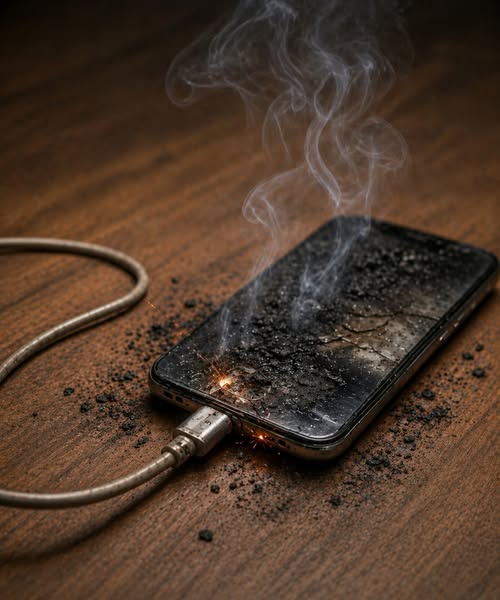
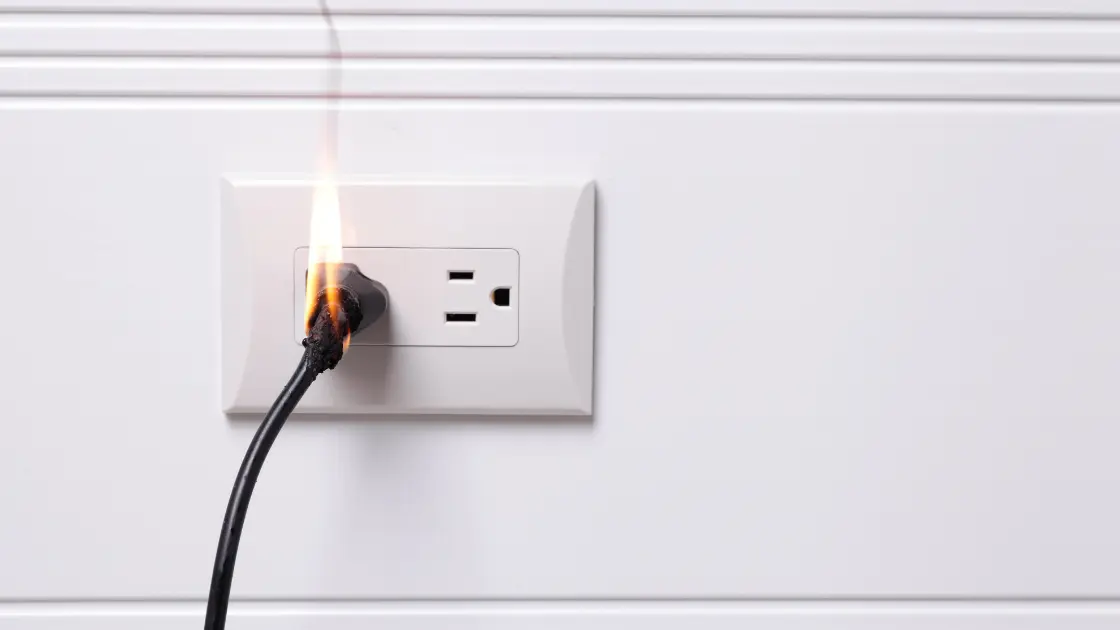
In more severe cases, unstable electrical output can increase the risk of sparks or fire hazards. This makes uncertified chargers a danger not only to devices but also to the surrounding environment.
Certified chargers, on the other hand, are designed with built-in safety mechanisms. These include systems that regulate power delivery, reduce overheating, and protect against electrical faults. Using certified equipment helps ensure a safer and more stable charging process.
Recognizing the Warning Signs of Damaged Cables
Another common issue involves worn or damaged charging cables. With regular use, cables naturally weaken, especially at points where they are frequently bent or twisted.
Frayed wires, cracked insulation, or loose connectors are clear signs that a cable may no longer be safe. Even if the cable still appears to function, these visible defects often indicate deeper internal damage.
Damaged cables can lead to short circuits, sudden interruptions in power, or localized heating. These conditions may increase the risk of further deterioration if the cable continues to be used.
Ignoring these warning signs can lead to more serious problems over time. Replacing damaged cables early is a simple but effective way to reduce potential risks before they escalate.
Regular inspection of charging equipment can make a significant difference. Identifying small issues early allows for timely replacement and helps prevent unexpected failures.
How Charging Habits Influence Safety
Safety is not determined only by the equipment itself; everyday habits also play an important role. One common habit is leaving devices plugged in for long periods after they have already reached full charge.
Although this may seem convenient, it can contribute to heat buildup, especially when devices remain connected unnecessarily. Over time, repeated exposure to heat can affect both the device and the charger.
Another important factor is the surface on which devices are placed while charging. Soft materials such as beds, blankets, or pillows can trap heat and block proper airflow.
When heat cannot escape efficiently, the temperature of both the device and charger can rise. This creates conditions that increase the risk of overheating.
Using a hard, flat surface allows for better ventilation and helps maintain a more stable temperature. Simple adjustments like this can greatly improve charging safety.
The Role of Electrical Outlets and Power Sources
Electrical outlets and power sources are also an important part of safe charging practices. Improper use of outlets can create risks that go beyond the charger itself.
Overloading a single socket by connecting too many devices can lead to excessive heat buildup. This can weaken internal components and increase the chance of electrical failure.
Low-quality extension cords can create similar problems if they are not designed to handle higher electrical loads. These may overheat or fail under continuous use.
Older electrical wiring systems can also contribute to instability. Over time, wear and aging can reduce their ability to safely manage electrical flow, making them more vulnerable to faults.
Using surge protectors and ensuring that outlets are properly maintained helps reduce these risks. Proper equipment helps distribute electrical load more safely and adds an extra layer of protection.
Reducing Risk Through Better Everyday Practices
Improving charging safety does not require complex solutions. Small, consistent habits can significantly reduce potential risks.
Choosing certified chargers and cables is one of the most effective steps. These products are designed to meet safety standards and provide more reliable performance.
Replacing damaged equipment as soon as signs of wear appear helps prevent further issues. Delaying replacement can turn minor problems into more serious hazards.
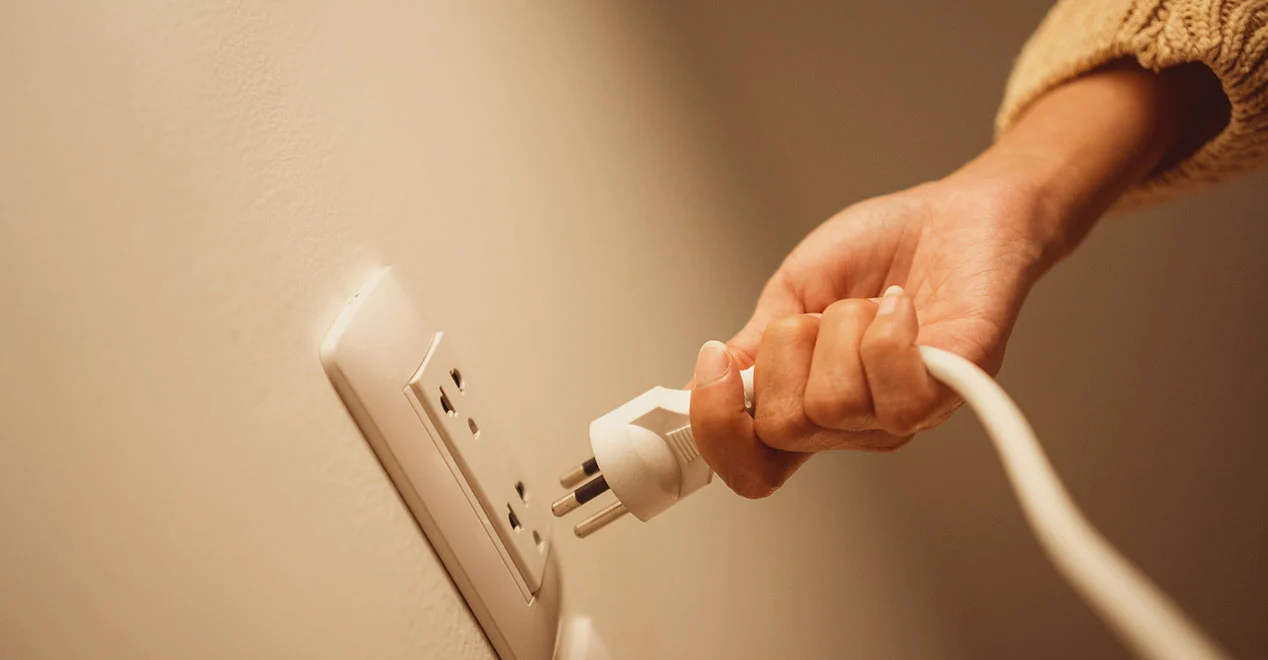
Unplugging chargers when they are not in use helps reduce unnecessary heat generation and energy consumption. It can also extend the lifespan of the equipment.
Avoiding charging near water is equally important. Moisture increases the risk of electrical faults and can create dangerous situations if it comes into contact with active devices.
Keeping devices away from heat-trapping surfaces ensures proper airflow and helps maintain a safer temperature during use.
Understanding Why Chargers Deserve More Attention
Chargers are often overlooked because they are so common and simple to use. Their small size and basic appearance can make them seem less important than the devices they power.
However, they play a critical role in managing electricity and ensuring devices operate correctly. Any weakness in this process can affect both performance and safety.
By paying closer attention to charger quality and usage habits, it becomes easier to avoid unnecessary risks. Awareness is the first step toward safer choices.
Developing better habits does not require major changes. Instead, it involves paying attention to small details that can have a lasting impact.
Balancing Convenience and Safety
Modern life values convenience, and charging devices quickly and easily is an important part of that. Staying connected and powered is essential for work, communication, and daily tasks.
At the same time, safety must also be considered to prevent avoidable problems. Taking a few extra moments to check equipment or adjust placement can make a meaningful difference.
Simple precautions help protect not only electronic devices but also homes, workplaces, and shared environments.
Maintaining this balance ensures that technology can be used effectively without creating unnecessary risks.
A Safer Approach to Everyday Technology
Chargers may seem like small and ordinary tools, but they play an important role in daily life. They are part of a system that involves electricity, heat, and continuous usage.
Understanding the risks associated with chargers highlights the importance of using them responsibly. From choosing reliable products to adopting safe habits, every step contributes to a safer environment.
By making informed decisions and staying aware, the chances of damage or danger can be reduced. This helps protect both devices and personal safety.
With consistent care and attention, chargers can remain a reliable part of everyday life without becoming a source of concern.

