
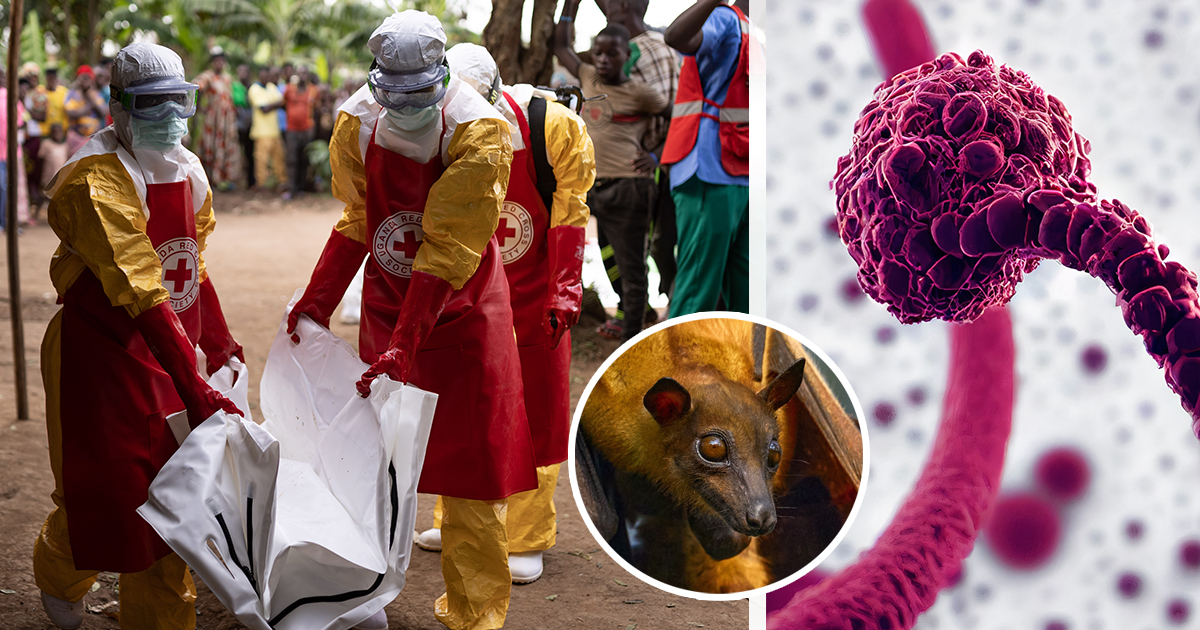
Ebola Outbreak in Democratic Republic of Congo Raises Global Concern as Cases Continue to Increase
Rising Ebola Cases Spark International Attention
An Ebola outbreak in the Democratic Republic of Congo has resulted in more than 130 deaths, while health officials continue monitoring hundreds of suspected infections connected to the virus.
Authorities reported that over 513 Ebola cases were suspected by Tuesday as medical teams worked to track the spread of the disease across affected regions.
The outbreak has created growing concern among both local residents and international health organizations due to fears that the virus may continue spreading beyond current outbreak zones.
One Ebola-related death has also been confirmed in neighboring Uganda, increasing anxiety about regional transmission across borders.
Health officials remain focused on identifying new cases, tracing exposure routes, and preventing wider community spread in affected areas.
Concerns Grow Over Possible International Spread
The outbreak has drawn global attention after one American tested positive for Ebola following exposure while working with a medical missionary group in the Democratic Republic of Congo.
At this stage, no Ebola infections have been confirmed among individuals currently living in the United States.
Even so, the situation has raised concern internationally because Ebola outbreaks can spread rapidly when cases are not identified early.
Communities located near the center of the outbreak have reported increasing fear as infections continue rising.
Residents in the Ituri province, where the outbreak began, described widespread anxiety surrounding the disease and its impact on local families.
One resident explained that people in the area are extremely frightened and said that “Ebola has caused us great suffering.”
Health Officials Warn Cases May Be Increasing Faster Than Expected
Health experts believe the true number of Ebola infections could already be significantly higher than current confirmed figures.
Medical researchers from the MRC Center for Global Infectious Disease Analysis in London suggested the actual number of infections may already exceed 1,000 cases.
The warning highlights concerns that many infections may still remain undetected in remote or difficult-to-access regions.
As investigation teams continue traveling to affected communities, additional cases are reportedly being discovered in new locations.
Dr. Anne Ancia from the World Health Organization explained that ongoing investigations are revealing evidence of wider spread than initially expected.
The discovery of new infections in multiple areas has increased urgency surrounding containment efforts.
The Bundibugyo Virus Identified as the Cause
The World Health Organization stated that the current Ebola epidemic is linked to the Bundibugyo virus strain.
This particular form of Ebola is one of several virus species associated with Ebola outbreaks.
Scientists studying the outbreak believe African fruit bats may play a role in spreading the virus.
Researchers have long considered fruit bats possible natural carriers connected to Ebola transmission in certain regions.
Understanding how the virus spreads remains essential for controlling outbreaks and reducing future infections.
How Ebola Spreads Between People
Ebola spreads through direct contact with bodily fluids from an infected person.
This can include exposure to blood, vomit, saliva, sweat, urine, or other bodily secretions.
The virus can also spread through contaminated objects or surfaces that have come into contact with infected fluids.
Because Ebola can move quickly within households and healthcare settings, early detection and isolation remain critical for limiting transmission.
Medical workers and caregivers are often considered among the highest-risk groups during outbreaks because they frequently come into close contact with infected patients.
Public health officials continue emphasizing infection control procedures, protective equipment, and careful monitoring of individuals who may have been exposed.
Early Ebola Symptoms Can Resemble Other Illnesses
One challenge in controlling Ebola outbreaks is that early symptoms can appear similar to other common illnesses.
Health authorities explain that symptoms typically begin between two and twenty-one days after exposure to the virus.
Most infected individuals begin developing symptoms approximately eight to ten days after contact.
Initial warning signs are often referred to as “dry symptoms.”
These early symptoms commonly include fever, severe headache, muscle pain, joint pain, weakness, fatigue, and sore throat.
Because these symptoms can resemble conditions such as malaria or influenza, Ebola may initially be difficult to recognize without medical testing.
This overlap with other illnesses can delay diagnosis and increase the risk of further transmission if patients are not isolated quickly.
Severe Symptoms Can Develop as the Illness Progresses
As Ebola advances, patients may begin experiencing more serious complications often described as “wet symptoms.”
These symptoms include nausea, vomiting, diarrhea, abdominal pain, and loss of appetite.
Some patients may also develop unexplained bleeding, which is one of the more widely recognized signs associated with severe Ebola infection.
Additional symptoms may include chest pain, shortness of breath, confusion, red eyes, skin rash, hiccups, and seizures.
The illness can rapidly weaken the body and create life-threatening complications if not managed with intensive medical care.
Severe dehydration caused by vomiting and diarrhea is also considered a major concern during advanced stages of the disease.
Long-Term Effects May Continue After Recovery
Health officials note that surviving Ebola does not always mean an immediate return to normal health.
Many survivors continue experiencing physical and emotional complications long after recovering from the initial infection.
Reported long-term effects include chronic fatigue, headaches, muscle pain, and vision problems.
Some survivors also experience depression, anxiety, and memory difficulties following recovery.
Medical professionals continue studying the lasting impact Ebola can have on the human body after infection.
Recovery often requires ongoing medical monitoring and long-term support for both physical and mental health challenges.
Communities Continue Facing Fear and Uncertainty
Residents living near outbreak zones remain deeply concerned as health workers continue identifying new cases.
The rapid spread of information about Ebola has increased public awareness, but it has also intensified fear in affected communities.
Families in outbreak areas often face uncertainty surrounding healthcare access, isolation procedures, and the possibility of exposure.
Local communities are also dealing with the emotional impact of losing family members, neighbors, and healthcare workers to the disease.
Fear surrounding Ebola outbreaks can sometimes create additional challenges for medical teams attempting to provide treatment and conduct contact tracing.
Officials continue urging communities to cooperate with health measures designed to reduce transmission and improve patient care.
Health Organizations Continue Monitoring the Situation
International health agencies remain focused on containing the outbreak before it spreads further.
Monitoring suspected cases, isolating infected patients, and tracing close contacts remain among the most important strategies for controlling the virus.
Medical teams are continuing investigations into new infections discovered across multiple areas within the Democratic Republic of Congo.
As the number of suspected cases continues rising, health officials remain concerned about how quickly the outbreak may expand if containment efforts face delays.
The situation has also highlighted the importance of rapid response systems during infectious disease outbreaks.
Global health experts continue emphasizing the need for public awareness regarding symptoms and transmission risks.
Public Awareness Remains Important
Understanding Ebola symptoms and transmission methods can help communities respond more effectively during outbreaks.
Early medical attention, rapid isolation, and accurate diagnosis remain critical tools for slowing the spread of the disease.
Public awareness campaigns also play an important role in helping people recognize warning signs and seek care quickly.
While Ebola outbreaks can create widespread fear, health officials continue working to improve containment strategies and patient outcomes.
The current outbreak in the Democratic Republic of Congo remains a serious public health concern as investigations continue and suspected cases rise.
Officials are urging continued vigilance while monitoring the evolving situation closely.

