
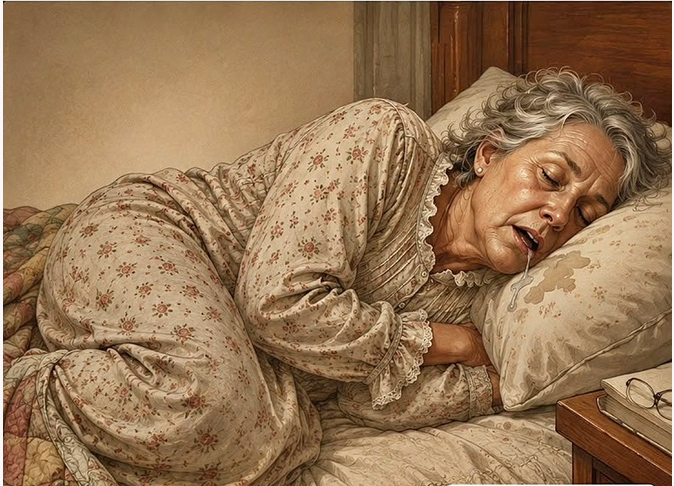
Why You Might Wake Up With a Wet Pillow and What It Can Reveal About Your Sleep
A Common Sleep Experience That Often Has a Simple Explanation
Discovering a damp spot on your pillow in the morning can be surprising, but it is a situation many people experience from time to time. Nighttime drooling is a common occurrence and is usually linked to normal bodily functions that take place during sleep.
In most cases, it is not a cause for concern. The body undergoes a variety of changes while resting, and those changes can sometimes allow saliva to escape from the mouth without a person realizing it.
For some individuals, it happens only occasionally. Others may notice it more regularly depending on their sleeping habits, breathing patterns, or overall health.
What Happens to the Body During Sleep
As the body moves through different stages of sleep, muscles naturally become more relaxed. This relaxation affects not only the arms and legs but also the muscles around the face, jaw, and mouth.
When these muscles loosen, the mouth may open slightly. If that happens, saliva can leave the mouth more easily than it would during waking hours.
At the same time, the body’s swallowing reflex becomes less active while sleeping. During the day, people swallow saliva frequently without thinking about it.
During sleep, however, swallowing occurs much less often. This allows saliva to collect in the mouth, increasing the chance that some of it may leak onto the pillow.
The combination of muscle relaxation and reduced swallowing is one of the most common explanations for nighttime drooling.
How Sleeping Position Influences Drooling
The way a person sleeps can play a significant role in whether drooling occurs.
Individuals who sleep on their side or stomach are generally more likely to experience saliva leakage during the night. Gravity naturally encourages saliva to move toward the edge of the mouth when the face is turned downward or sideways.
People who sleep on their backs often experience less drooling because saliva tends to remain inside the mouth more easily in that position.
Although changing sleep position may help, many people find it difficult to alter habits that have developed over many years.
Supportive pillows or slight adjustments to head elevation may sometimes encourage a sleeping posture that reduces drooling without causing discomfort.
Mouth Breathing and Nasal Congestion
Difficulty breathing through the nose is another common factor associated with nighttime drooling.
When nasal passages become blocked, the body frequently compensates by breathing through the mouth. An open mouth creates a direct path for saliva to escape during sleep.
Seasonal allergies, sinus irritation, and common colds can all contribute to congestion that makes nasal breathing more difficult.
People often notice increased drooling during periods when allergy symptoms or respiratory issues are at their worst.
Improving nasal airflow may help reduce the need for mouth breathing and lower the chances of waking up with a wet pillow.
The Connection Between Saliva Production and Health Conditions
While occasional drooling is generally harmless, frequent or excessive drooling can sometimes be associated with underlying health concerns.
Certain conditions may influence how much saliva the body produces or affect the ability to swallow normally during sleep.
Acid reflux, often referred to as gastroesophageal reflux disease, may increase saliva production. When stomach acid irritates the throat, the body can respond by producing extra saliva as a protective mechanism.
Sleep apnea may also be linked to nighttime drooling. This sleep disorder involves repeated interruptions in breathing and often encourages mouth breathing throughout the night.
When sleep quality becomes disrupted by breathing difficulties, saliva leakage may become more noticeable.
Some neurological conditions that affect muscle coordination or swallowing can contribute as well, although these cases are typically accompanied by additional symptoms beyond drooling alone.
Dental Devices and Their Effect on Saliva Flow
Appliances worn inside the mouth during sleep can sometimes change saliva production.
Night guards used for teeth grinding, orthodontic devices, and other dental equipment may stimulate additional saliva, particularly when a person first begins using them.
This response is often temporary. As the mouth adapts to the device, saliva production may gradually return to normal levels.
Some individuals also notice changes when using sleep-related equipment such as CPAP machines.
Airflow patterns, mask positioning, and overall comfort can influence moisture levels in and around the mouth during the night.
In many situations, adjustments to the equipment can improve comfort and reduce unwanted symptoms.
Medications May Play a Role
Certain medications can affect the body’s natural saliva balance.
Some drugs influence muscle activity, nervous system function, or relaxation levels, which may indirectly increase the likelihood of drooling while sleeping.
Sedatives and medications that affect neurological processes are among those that may contribute to changes in saliva flow.
If drooling begins shortly after starting a new prescription, it may be worth discussing the change with a healthcare provider.
Any concerns about medication side effects should be addressed professionally, and prescribed treatments should not be altered without proper medical guidance.
Practical Steps That May Help Reduce Drooling
Several simple strategies may help minimize nighttime drooling for those who experience it regularly.
Improving sleep posture is often one of the first adjustments people try. Sleeping on the back, when comfortable, may reduce saliva leakage compared to side or stomach sleeping.
Using supportive pillows to keep the head slightly elevated can also make a difference for some individuals.
Addressing nasal congestion is another helpful approach. Clear nasal passages may encourage breathing through the nose rather than the mouth.
Staying properly hydrated throughout the day can support normal saliva function and help maintain overall oral comfort.
Maintaining consistent sleep habits may also contribute to better sleep quality and improved control of nighttime symptoms.
When It May Be Time to Seek Medical Advice
For most people, occasional drooling during sleep is a normal and harmless occurrence.
However, sudden changes or persistent excessive drooling may warrant further attention, especially if other symptoms are present.
Difficulty swallowing, frequent choking during sleep, loud snoring, interrupted breathing, or excessive daytime fatigue could indicate a more significant underlying issue.
In these situations, a medical evaluation can help determine whether a sleep disorder or another health condition may be contributing to the problem.
Identifying the cause can often lead to effective treatment and improved sleep quality.
Understanding a Normal Part of Sleep
Although waking up with a wet pillow can feel awkward or embarrassing, it is often simply a result of the body’s natural behavior during sleep.
The relaxation of facial muscles, reduced swallowing, sleeping position, and breathing patterns can all influence whether saliva escapes from the mouth during the night.
For many people, the issue is occasional and harmless. Paying attention to patterns and any accompanying symptoms can help distinguish a normal sleep habit from something that may require medical attention.
Sleep is a complex process involving countless automatic functions that occur without conscious awareness. Nighttime drooling is just one example of the many ways the body changes as it rests, recovers, and prepares for a new day.

