
How to Reduce Dental Plaque Naturally and Maintain Cleaner Teeth at Home
What Dental Plaque Is and Why It Forms
Dental plaque is a thin, sticky coating that develops on teeth throughout the day. It forms naturally when bacteria inside the mouth combine with food residue, sugars, and acids left behind after eating and drinking.
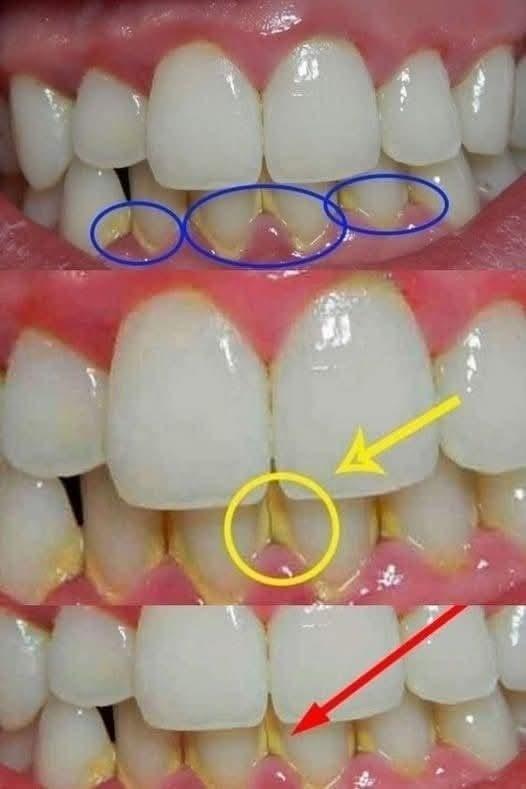
In the beginning, plaque is often difficult to notice because it can appear nearly invisible on the surface of teeth. Even though it may seem harmless at first, plaque can gradually become a larger problem if it is allowed to remain for extended periods.
As plaque thickens, it may begin affecting both the health and appearance of teeth. Over time, buildup can contribute to unpleasant breath, tooth discoloration, gum discomfort, and increased sensitivity.
Daily oral hygiene plays an important role in controlling plaque before it hardens into more stubborn deposits. Consistent care is one of the most effective ways to maintain cleaner teeth and healthier gums.
How Bacteria Contribute to Plaque Buildup
The human mouth naturally contains bacteria at all times. These bacteria feed on leftover particles from food and beverages, especially those high in sugar or acidity.
As bacteria process these substances, acids are produced inside the mouth. Those acids can slowly weaken tooth enamel while also encouraging plaque to spread along the teeth and near the gums.
Plaque commonly collects in hard-to-reach areas, including between teeth and close to the gumline. Without regular cleaning, these deposits may continue growing thicker.
If plaque remains on the teeth long enough, it can eventually harden into tartar. Unlike soft plaque, tartar becomes firmly attached and much more difficult to remove through normal brushing alone.
Why Daily Brushing Matters
Brushing remains one of the simplest and most important habits for reducing plaque naturally at home. It helps remove food particles and bacteria before they have an opportunity to harden into more resistant buildup.
Careful brushing should include every visible surface of the teeth. This includes the front surfaces, the backs of the teeth, and the chewing areas where food particles may remain trapped.
The gumline also requires attention because plaque frequently begins accumulating there first. Cleaning these areas gently but thoroughly can help reduce long-term buildup.
Using aggressive pressure while brushing is not always beneficial. Gentle circular or short sweeping motions are often more effective than harsh scrubbing, which may irritate gums or gradually wear down enamel.
Maintaining consistent brushing habits every day can significantly improve oral cleanliness over time.
Creating a Consistent Oral Hygiene Routine
An effective at-home dental routine does not need to be overly complicated. A few dependable daily habits can help limit plaque formation and support healthier teeth.
Brushing at least twice each day is commonly considered a basic foundation of oral care. Some people also choose to brush after meals when possible to remove lingering food particles more quickly.
Flossing is another important step because toothbrushes may not fully clean narrow spaces between teeth. Plaque and trapped particles often collect in these hidden areas.
Leaving those spaces uncleaned allows bacteria to continue growing unnoticed. Over time, this may contribute to thicker buildup and gum irritation.
Rinsing the mouth with water after meals may also help remove leftover sugars and acids before they remain on the teeth for extended periods.
Natural Methods That May Support Cleaner Teeth
Many people choose to combine traditional brushing and flossing with natural oral hygiene habits designed to support cleaner teeth. These methods are often used as part of a broader routine rather than as replacements for proper dental care.
Natural approaches generally focus on maintaining freshness, reducing bacteria, and minimizing surface buildup through gentle daily practices.
Consistency is often more valuable than aggressive cleaning methods. Harsh techniques or excessive force may damage enamel or irritate sensitive gums if used improperly.
Simple daily care performed regularly tends to support better long-term oral hygiene than occasional intense cleaning efforts.
Balanced oral care routines are usually easier to maintain over time and may help reduce the likelihood of plaque becoming severe.
The Connection Between Plaque and Tartar
Plaque and tartar are closely related, but they are not identical. Understanding the difference between them is important for maintaining healthy teeth.
Plaque is soft and forms naturally each day. Because it remains relatively loose in the early stages, it can usually be removed with proper brushing and flossing.
Tartar develops after plaque is left on the teeth long enough to harden. Once hardened, the deposits become much more difficult to eliminate without specialized cleaning tools.
Tartar often forms near the gumline and creates rough surfaces that make it easier for additional plaque to attach in the future.
This cycle can gradually increase buildup over time if oral hygiene routines are inconsistent.
Why Oral Hygiene Should Not Be Ignored
Ignoring plaque buildup allows bacteria to continue multiplying inside the mouth. As deposits increase, they may place greater stress on both the teeth and gums.
Early plaque is generally easier to manage because it remains soft. Once hardened deposits form, cleaning becomes more complicated and may require professional treatment.
Good oral hygiene supports more than appearance alone. Healthy gums and cleaner teeth also contribute to comfort, freshness, and overall well-being.
Maintaining a regular routine may help reduce the chances of long-term dental issues developing later.
Even small daily efforts can make a meaningful difference when practiced consistently over time.
How Diet Influences Plaque Formation
Food and drink choices can strongly influence how quickly plaque develops on teeth. Sugary snacks and acidic beverages may create conditions that allow bacteria to thrive more easily.
Frequent snacking throughout the day may increase exposure to sugars and acids, giving plaque additional opportunities to build up.
Foods that leave residue behind on the teeth can also contribute to bacterial growth if particles are not removed through brushing or rinsing.
Drinking water regularly may help rinse away leftover food particles after meals. Water also supports natural moisture levels inside the mouth, which assists the body’s normal cleansing processes.
Combining balanced eating habits with consistent oral care may help improve overall dental cleanliness and reduce buildup.
The Importance of Long-Term Consistency
Many people focus on dental care only after discomfort appears. However, preventing plaque buildup is often much easier than correcting advanced problems later.
Skipping brushing or flossing for several days may allow deposits to spread and harden more quickly. Repeated neglect can gradually make buildup more difficult to remove.
Steady habits practiced every day tend to provide the best protection against plaque accumulation.
Simple routines repeated consistently are often more effective than occasional deep-cleaning efforts performed irregularly.
Long-term maintenance helps preserve both the condition and appearance of teeth over the years.
Protecting Teeth Through Daily Care
Healthy teeth are usually supported by ongoing maintenance rather than short-term efforts. Daily attention to brushing, flossing, and oral cleanliness helps limit plaque before it becomes severe.
People who maintain dependable hygiene routines often find it easier to control buildup and reduce discomfort.
Paying attention to early signs of plaque may also help prevent hardened tartar from developing later.
Protective habits become especially important as buildup near the gums can gradually increase over time if ignored.
Consistent care supports cleaner teeth, fresher breath, and healthier gums in the long run.
Why Professional Dental Cleanings Remain Important
Even with careful at-home routines, professional dental cleanings still play an important role in oral health maintenance.
Dental professionals use specialized equipment designed to remove hardened tartar that regular brushing cannot fully eliminate.
Professional cleanings may also help identify buildup in areas that are difficult to reach during everyday oral care.
Routine visits provide an additional layer of maintenance that complements daily hygiene habits practiced at home.
Combining consistent home care with periodic professional attention may help maintain healthier teeth and gums over time.
Building Better Oral Hygiene Habits Every Day
Improving oral hygiene often begins with small adjustments rather than major lifestyle changes. Creating simple daily routines can gradually lead to noticeable improvements in dental cleanliness.
Brushing carefully, flossing regularly, and staying aware of plaque buildup are all important parts of maintaining oral health.
Keeping teeth clean each day may help reduce the likelihood of hardened deposits forming later near the gumline and between teeth.
Long-term dental care is usually most effective when approached with patience and consistency rather than aggressive cleaning methods.
With steady daily attention and proper oral hygiene habits, it becomes easier to manage plaque naturally at home while supporting a cleaner and healthier smile.

