
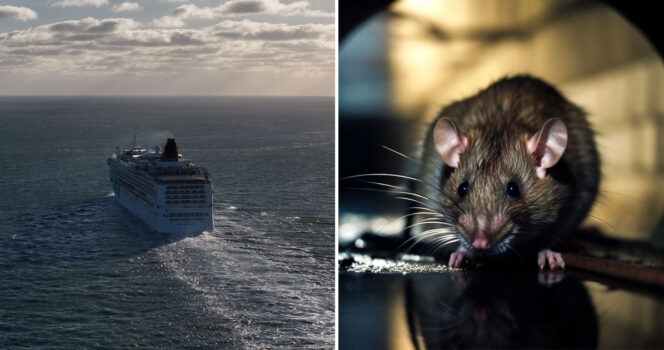
A cruise voyage aboard the research vessel MV Hondius has been overshadowed by a serious health incident after multiple passengers became ill during a journey across the Atlantic Ocean. The ship, operated by Oceanwide Expeditions, had departed from Ushuaia in southern Argentina on March 20 for a multi-week expedition that included planned stops at remote Atlantic islands.
According to reports from health authorities and international agencies, the situation escalated after a passenger in his seventies developed symptoms including fever, headache, and gastrointestinal distress. His condition worsened during the voyage, and he later died on board the vessel.
Shortly afterward, another case was confirmed involving a Dutch couple. The husband died on April 11, and his wife was subsequently hospitalized after showing similar symptoms. Despite medical intervention, she also passed away. Laboratory testing later confirmed that she had been infected with Hantavirus infection.
Hantavirus is a rare but potentially severe disease that is primarily transmitted from rodents to humans. According to the Centers for Disease Control and Prevention, infection typically occurs through contact with infected rodents or exposure to contaminated materials such as urine, droppings, or saliva. In some cases, airborne particles from contaminated environments can also spread the virus. Human-to-human transmission is extremely rare but has been investigated in certain outbreaks.
Following the confirmed cases, concern grew among passengers and health authorities. A third passenger on board later died, although detailed confirmation regarding the cause of death has not yet been publicly released. Reports indicate that the individual’s body remains on the vessel while investigations continue.
In addition to the confirmed fatalities, other passengers reportedly developed symptoms consistent with infection. One British passenger was evacuated to South Africa on April 27 for urgent medical treatment. He is currently receiving intensive care in isolation and is reported to be in critical condition.
As of early May 2026, health officials have identified multiple suspected and confirmed cases linked to the outbreak on board the ship. According to a statement attributed to the World Health Organization, at least seven cases have been recorded among passengers, including confirmed infections, suspected cases, and individuals with varying degrees of illness. This group includes three deaths, one critically ill patient, and several others experiencing milder symptoms.
In response to the situation, the MV Hondius, which was carrying approximately 149 passengers and crew members, has been anchored off the coast of Praia, the capital of Cape Verde. Authorities have denied the ship entry to port while health and safety protocols are being assessed. As a result, passengers and crew are currently unable to disembark.
Health experts and maritime authorities are working to determine how the infection may have been introduced on board and whether any further spread occurred during the voyage. One of the key areas of investigation is whether contaminated materials or environmental exposure played a role, given the known transmission pathways of Hantavirus infection.
The conditions under which hantavirus can spread are typically associated with areas where rodent populations are present, particularly in enclosed or poorly ventilated spaces contaminated by droppings or urine. Cruise ships, like other large vessels, maintain strict sanitation standards, but investigations are focused on identifying any possible breach or exposure during the journey or prior loading of supplies.
Medical experts emphasize that while hantavirus infections are rare, they can be extremely serious when they do occur. The disease can progress rapidly from initial flu-like symptoms to severe respiratory complications in some cases. Early detection and supportive care in a hospital setting are critical to improving outcomes.
The outbreak on the MV Hondius has drawn international attention due to the combination of a confined environment, the number of passengers affected, and the severity of outcomes reported. Health authorities continue to monitor the situation closely, and further updates are expected as laboratory results and epidemiological investigations progress.
At this stage, officials have not confirmed how long the ship will remain anchored off Cape Verde, as decisions will depend on ongoing assessments of passenger health, infection control measures, and coordination between maritime authorities and global health organizations.
The incident highlights the challenges of managing infectious disease outbreaks in isolated travel environments such as cruise ships, where close living conditions can complicate containment efforts. Investigations remain ongoing as authorities work to ensure the safety of all individuals involved and to determine the origin and extent of the outbreak.

