

Courtney Hadwin’s Journey from Viral Breakthrough to Artistic Independence
The rise of Courtney Hadwin is often described as one of the most memorable moments in modern televised talent competitions. Her appearance on America’s Got Talent in 2018 introduced her to a global audience almost overnight. At just 14 years old, she stepped onto the stage with a quiet and reserved demeanor, which contrasted sharply with the powerful and expressive performance that followed.
From the first moments of her audition, it became clear that her voice carried a distinctive quality. Drawing inspiration from rock, blues, and soul traditions, she delivered a performance that surprised both the judges and the audience. Before the performance had even concluded, judge Howie Mandel pressed the Golden Buzzer, sending her directly to the live shows. This moment marked a significant turning point, transforming her from an unknown teenager into an internationally recognized performer.

Her early performances were frequently compared to legendary artists known for their raw energy and emotional depth. While such comparisons can be subjective, many viewers noted the intensity and authenticity she brought to the stage. Despite her young age, she demonstrated a level of confidence and individuality that set her apart from many other contestants.
Following her success on the show, Courtney attracted the attention of Simon Cowell, a prominent figure in the entertainment industry. She was subsequently signed to Syco Entertainment, a label associated with developing emerging talent. At the time, this opportunity was widely viewed as a major step forward, offering access to professional production, global distribution, and industry guidance.
Entering the professional music industry, however, often introduces new dynamics that differ from the spontaneity of live performance. For young artists in particular, the transition can involve adapting to structured environments where multiple stakeholders contribute to creative decisions. These systems are typically designed to support commercial success, which may include refining an artist’s sound to align with broader audience expectations.
In Courtney’s case, this phase of her career involved exploring different musical directions. Reports and interviews suggest that she was encouraged to experiment with a more polished, mainstream sound. While this approach can help artists reach wider audiences, it may also differ from the style that initially attracted attention.

It is important to note that there is no confirmed evidence indicating that Courtney was required to abandon her artistic identity. However, like many artists working within major label frameworks, she navigated an environment where collaboration and external input played a significant role in shaping output.
This period of her career reflects a common experience within the music industry. Emerging artists often balance their personal creative instincts with professional expectations. Finding the right balance can take time, especially for individuals who enter the industry at a young age.
As the years progressed, Courtney continued to develop both as a performer and as a songwriter. While the initial surge of visibility from television naturally evolved, her commitment to music remained consistent. She continued working on her craft, performing, and exploring her artistic direction.
A notable shift occurred as she began to take greater control over her music. Moving toward more independent releases allowed her to express a style that aligned more closely with her original influences. This transition is often seen among artists seeking to define their identity outside of large-scale commercial structures.
Her later work reflects a blend of blues, rock, and soul elements, maintaining the expressive vocal style that first captured public attention. The sound is less focused on mainstream polish and more centered on emotional delivery and authenticity. This evolution has been recognized by listeners who appreciate her original style.
During this stage, she collaborated with producer Kevin Bowe, who is known for working with artists who prioritize originality and depth. Such collaborations can provide a supportive environment for creative exploration, allowing artists to refine their voice without the same level of commercial pressure.
Audience response to her newer material has highlighted a continued interest in her authentic sound. Many listeners have expressed appreciation for the consistency between her early performances and her more recent work. This suggests that maintaining a clear artistic identity can contribute to long-term engagement with audiences.

Courtney’s journey also reflects broader themes within the entertainment industry. The balance between authenticity and marketability is a recurring topic, particularly for artists who achieve early recognition. While commercial success can open doors, it can also introduce expectations that shape creative output.
Her experience illustrates that artistic development is often gradual. Rather than following a single, linear path, it involves periods of experimentation, reflection, and adjustment. For young artists, this process can be especially important in establishing a sustainable career.
By the mid-2020s, Courtney Hadwin had established herself as a more independent voice within the music landscape. Her performances demonstrated increased confidence, not only in her vocal abilities but also in her creative direction. This shift reflects a broader understanding of her identity as an artist.
Her continued presence on platforms such as social media and streaming services has allowed her to maintain a connection with her audience. These tools provide artists with opportunities to share their work directly, reducing reliance on traditional industry structures.
Supporters often highlight her distinctiveness as a performer. Rather than fitting into a single category, her style draws from multiple influences, creating a sound that feels both familiar and unique. This versatility contributes to her appeal across different audiences.
It is also worth noting that her story emphasizes the importance of time in artistic growth. Early exposure can bring rapid attention, but developing a clear and sustainable identity often requires patience. Experiences gained over time can shape both creative decisions and professional direction.
Looking back, her initial appearance on America’s Got Talent remains a defining moment. It introduced her to a global audience and demonstrated her potential as a performer. However, her ongoing work provides a deeper understanding of her capabilities and ambitions.
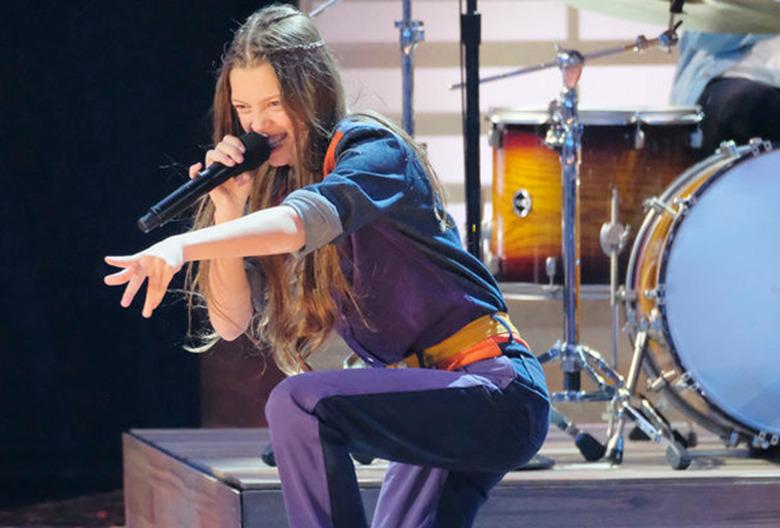
Today, Courtney continues to build her career in a way that reflects her personal values and artistic preferences. Her journey highlights the role of resilience, adaptability, and self-awareness in navigating the music industry.
Rather than being defined solely by early success, her story is characterized by continued growth and exploration. It illustrates how artists can evolve while maintaining the qualities that first set them apart.
In conclusion, Courtney Hadwin’s career offers insight into the complexities of modern music development. From her initial breakthrough on a global stage to her ongoing efforts as an independent artist, her path reflects both opportunity and challenge.

Her experience demonstrates that success in the entertainment industry is not only about visibility, but also about maintaining a connection to one’s creative identity. Through persistence and thoughtful development, she has continued to shape a career that aligns with her artistic vision.
This journey, grounded in both talent and determination, continues to unfold as she explores new directions and builds on the foundation established during her early rise to recognition.

