Sleep Position Analysis and What Different Sleeping Styles Are Said to Represent
The Growing Interest in Sleep Position Interpretation
Sleep position analysis has become a widely shared form of light, entertaining self-reflection. Many people enjoy comparing the way they naturally sleep with informal interpretations of personality traits, habits, and comfort preferences. While these interpretations are not based on scientific diagnosis, they continue to gain attention as part of broader online wellness and lifestyle conversations.
The appeal of sleep position content comes from its simplicity and relatability. Everyone sleeps in some way, and the idea that resting posture might reflect daily behavior or emotional tendencies creates an easy point of connection. These interpretations are often shared in a casual, observational tone, focusing more on entertainment and curiosity than on medical or psychological conclusions.
Within this trend, different sleep positions are described as symbolic reflections of how individuals prefer comfort, how they approach rest, and how they may manage their daily routines. Each position is associated with general personality impressions that encourage readers to think about their own habits in a relaxed and informal way.
The “Arms Up” Sleeping Position
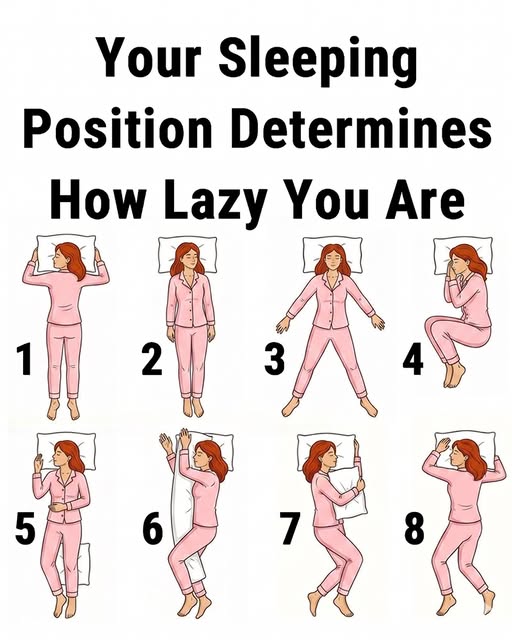
One commonly discussed sleeping posture is the “arms up” position, where a person lies on their back with their arms raised near or above the pillow. This position is often described as relaxed and open, suggesting a sense of ease and comfort during rest.
In personality-style interpretations, this sleeping style is frequently linked with openness and confidence. The position is seen as one that reflects a person who feels comfortable in their environment and does not appear guarded during rest. The relaxed placement of the arms is often associated with a calm mental state at the end of the day.
This sleeping posture is also interpreted as a sign of a balanced internal rhythm, where the body settles into rest without tension. People who naturally adopt this position are often described as having a steady and approachable presence in their daily lives, reflecting a sense of ease in both rest and activity.
The Straight Back Sleeper
The straight back sleeping position involves lying flat on the back with the arms placed alongside the body. This position is often viewed as structured and consistent in informal sleep interpretations.
It is commonly associated with individuals who prefer order and routine in their daily lives. The still and aligned posture is seen as reflecting a steady approach to habits and responsibilities, suggesting a preference for stability rather than unpredictability.
This sleep style is also linked to a composed and measured way of handling daily experiences. The simplicity of the position is often interpreted as reflecting clarity of thought and a grounded personal rhythm, where comfort is found in predictability and calm structure.
Side Sleeping Variations and Their Interpretations
Side sleeping is one of the most common sleep positions and includes several variations that are often interpreted in different ways. These interpretations focus on comfort choices, relaxation styles, and general lifestyle impressions rather than any formal analysis.
The casual side sleeper is often described as balanced and adaptable. This position is associated with individuals who combine relaxation with a sense of productivity. It suggests a comfortable middle ground between rest and activity, where flexibility plays an important role in daily life.
Another widely recognized variation is the curled side sleeping position, often referred to as the “fetal” position. In informal interpretations, this posture is linked with emotional sensitivity and a desire for comfort or security. The curled shape is seen as a protective posture, suggesting a preference for feeling safe and settled during rest.
This type of sleep position is also associated with introspection and emotional awareness. The compact posture reflects a sense of inward focus, where comfort and reassurance are prioritized in the sleep environment. It is often viewed as a natural response to seeking relaxation and emotional grounding.
The “Starfish” Sleeper and Pillow Hugging Style
The “starfish” sleeping position is described as lying on the back with arms and legs spread out, taking up more space on the bed. This posture is often associated with a strong preference for physical comfort and relaxation during sleep.
In informal interpretations, the starfish sleeper is seen as someone who values personal space and comfort while resting. The openness of the position is often linked with a relaxed attitude toward sleep, where the body is allowed to fully unwind without restriction.
Another related style is the pillow hugging position, where a person holds or clings to a pillow while sleeping. This position is commonly associated with a desire for comfort and emotional ease. The act of holding a pillow is often interpreted as a way of creating a sense of security and relaxation during rest.
Both of these sleep styles are viewed as expressions of comfort-seeking behavior, highlighting how individuals naturally find ways to feel more at ease while sleeping. They reflect a focus on physical relaxation and emotional calm during rest periods.
The “Half-Turn” Sleeper and Changing Positions
The half-turn sleeper is someone who frequently shifts between different sleeping positions throughout the night. This movement is often interpreted as a sign of adaptability and flexibility in informal personality-based sleep discussions.
This sleeping style is associated with individuals who adjust easily to changing conditions, both physically and in daily life. The ability to move between positions suggests a level of comfort with variation rather than strict consistency in rest habits.
The half-turn sleeper is also seen as someone who balances comfort with movement, naturally finding new positions to maintain ease during sleep. This adaptability is often linked with a flexible approach to daily routines and changing environments.
Why Sleep Position Interpretations Remain Popular
Sleep position analysis continues to attract attention because it offers a simple way for people to reflect on personal habits without requiring complex evaluation. The interpretations are light, accessible, and easy to relate to, making them popular in casual lifestyle content.
These descriptions often encourage individuals to think about their comfort preferences and daily routines in a more observational way. While not intended as formal assessments, they create a space for personal reflection based on everyday behavior that everyone experiences.
The popularity of sleep position content also reflects a broader interest in wellness-related self-awareness. People are often drawn to ideas that connect physical habits with lifestyle patterns, even in a symbolic or entertaining form. This makes sleep position analysis a recurring theme in online wellness discussions.
At the same time, the appeal lies in its non-serious nature. The interpretations are flexible and open-ended, allowing individuals to relate to them in different ways without strict definitions or conclusions. This openness contributes to their continued circulation in lifestyle content.
Final Overview of Sleep Position Meanings
Sleep positions are often viewed as informal reflections of comfort preferences, rest habits, and personal relaxation styles. From arms-up sleepers to curled positions, each posture is associated with general impressions that encourage light self-reflection rather than formal evaluation.
Back sleeping styles are often linked with structure and openness, while side sleeping variations are associated with balance, emotional comfort, and adaptability. More expressive positions like starfish sleeping or pillow hugging highlight a focus on physical ease and relaxation during rest.
The half-turn sleeper represents flexibility and movement, showing how changing positions can be viewed as a natural part of finding comfort throughout the night. Together, these interpretations create a broad and flexible framework for thinking about sleep behavior.
Ultimately, sleep position analysis remains an entertaining and widely shared way to reflect on personal habits. While it does not provide scientific conclusions, it continues to encourage curiosity about how everyday routines connect with comfort, rest, and lifestyle patterns in a simple and accessible form.
