

The situation began quietly and without suspicion. When the first nurse shared the news of her pregnancy, her colleagues did not react with concern. In most workplaces, personal matters are respected, and no one felt it was appropriate to question her private life. It was assumed that, like anyone else, she had relationships outside of work that did not need to be explained.
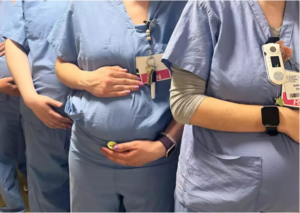
However, as time passed, a second nurse revealed that she was also expecting a child. Shortly afterward, a third nurse made the same announcement. What initially seemed like coincidence began to draw attention. Conversations in the department slowly shifted, and people started to notice patterns that could not be easily dismissed.
The growing concern was not only about the number of pregnancies but also about the similarities in the nurses’ responses. Each of them avoided giving clear answers when asked about the father. None of them mentioned being in a stable relationship, and none could provide any details about how they had become pregnant. When questioned, they appeared uncomfortable, often changing the subject or asking for privacy. Their behavior suggested that something was being deliberately withheld.

As colleagues compared notes, a specific detail stood out. All of the nurses had been assigned to night shifts over the past several months. More importantly, they had all spent time working in the same hospital room, identified as 23B.
Room 23B was occupied by a young firefighter who had been in a coma for over a year. He had suffered severe injuries during a large fire while on duty. Despite receiving ongoing medical care, he had not regained consciousness. His condition was considered stable, but there had been no signs of improvement.
Friends, family members, and fellow firefighters continued to visit him regularly. They brought flowers, cards, and messages of encouragement, maintaining hope that he might eventually recover. Many would sit beside him quietly, believing that their presence could make a difference, even if he could not respond.
When the unusual situation involving the nurses reached the attention of the chief physician, he approached it with caution and professionalism. His first step was to review the medical condition of the patient in room 23B. He considered whether there could be any unknown or misunderstood medical explanation.
A thorough examination was conducted, including updated tests and monitoring. The results were consistent with previous findings. The patient showed minimal brain activity, no physical responses, and no signs of awareness. From a medical perspective, there was no possibility that he could interact with others or be involved in any way with what had been reported.
This conclusion only deepened the sense of confusion. The facts did not align with what was being observed among the staff. The physician began to suspect that the explanation lay elsewhere and that the nurses might be connected by something they were unwilling to disclose.
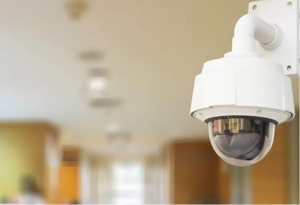
After careful consideration, the chief physician decided to take further steps to understand what was happening. The hospital already had surveillance cameras in public areas such as hallways and entrances, but patient rooms were not monitored in order to respect privacy. However, given the unusual circumstances, he felt it was necessary to observe what might be occurring during night shifts in room 23B.
Without informing the staff, he arranged for a discreet camera to be installed in the room. His intention was not to violate privacy without reason, but to ensure the safety of both patients and staff, as well as to clarify a situation that had become increasingly concerning.
Over the following days, recordings were collected during nighttime hours, when fewer people were present and activities were less visible. Once enough footage had been gathered, the physician reviewed it carefully.
What he discovered provided a clear explanation for the events that had raised concern. A man was entering the room during the night. He appeared calm and familiar with the environment, moving without hesitation. This individual was identified as the brother of the patient.
During the day, he had visited openly, presenting himself as a concerned family member. He would sit beside his brother, speak quietly, and interact respectfully with hospital staff. His presence did not initially attract suspicion.
However, the recordings showed that his behavior changed when he was alone in the room with staff members during night shifts. He engaged in personal conversations with nurses and developed inappropriate relationships under circumstances that were not acceptable in a professional medical setting.
He used the privacy of the room and the absence of cameras to create situations that should not have occurred within the hospital. He assured the nurses that their interactions should remain confidential and discouraged them from speaking about it with others. By presenting himself as trustworthy and making personal promises, he influenced them to keep silent.
Each nurse appeared to have been approached individually, and each was led to believe that the situation was unique. This explains why they had similar stories and why they avoided discussing details. Over time, these interactions resulted in pregnancies, leaving the nurses in a difficult and uncertain position.
The presence of the unconscious patient in the same room added an additional ethical concern. While the patient was unable to respond or intervene, the situation raised serious questions about respect, boundaries, and the proper use of hospital space.
After reviewing the footage and confirming the identity of the individual involved, the chief physician took immediate action. He contacted law enforcement authorities and provided them with the information that had been documented.
Following this incident, the hospital implemented stricter monitoring procedures. Surveillance measures were extended to ensure that patient areas were better protected, especially during night shifts. Access to rooms was more carefully controlled, and policies were reinforced to maintain a safe and professional environment for both patients and staff.
The case served as a reminder of the importance of vigilance, clear communication, and adherence to ethical standards within healthcare settings. It highlighted how unusual patterns should be taken seriously and investigated with care, ensuring that both patient dignity and staff safety are always prioritized.

