
Rising Cancer Rates Among People Born in the 1980s and 1990s Are Prompting New Concerns About Modern Living
A Health Trend That Is Becoming Harder to Ignore
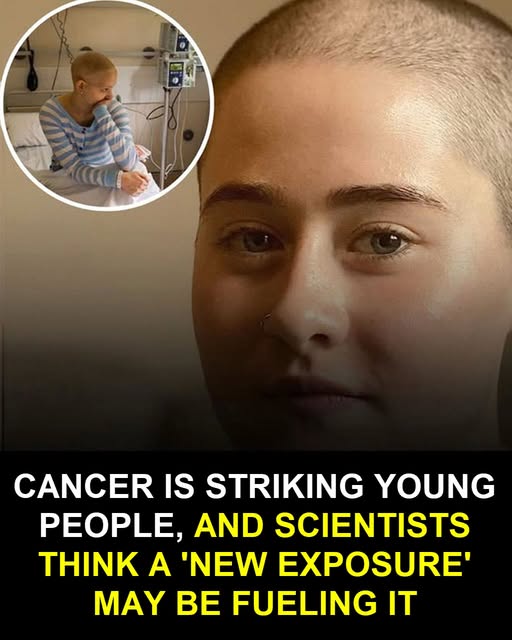
A growing body of data is drawing attention to a troubling trend affecting younger generations. People born in the 1980s and 1990s are experiencing higher risks for several forms of cancer compared with those born decades earlier.
The findings challenge the widespread belief that modern generations would naturally enjoy better health because of increased awareness surrounding fitness, nutrition, and preventive care.
Instead, researchers are observing patterns that suggest cancer is appearing more often and sometimes earlier in life than expected.
The increase is not limited to a single disease. It stretches across numerous forms of cancer, creating concern about what may be driving the shift.
The Difference Between Earlier and Later Generations
To understand the pattern, scientists reviewed health outcomes among millions of people born across different decades.
People born in 1955 were compared with individuals born later, especially during the 1980s and 1990s. The results revealed a noticeable rise in cancer risk among the younger groups.
The increase extended across 17 separate cancer types. In some cases, the risk was reported to be several times higher than earlier generations experienced.
This broad rise suggests that the issue may be connected to large-scale lifestyle and environmental changes rather than isolated personal habits.
A Pattern That Contradicts the Wellness Era
The findings appear especially surprising because younger generations grew up during a period strongly associated with wellness culture.
Health-conscious eating, fitness memberships, nutrition labels, exercise trends, and public discussions about healthy living became increasingly common during the lives of people born in recent decades.
Yet despite this environment, the data shows that younger adults are not necessarily protected from long-term disease risk.
The contrast between public perceptions of health and the rising numbers has intensified concern among researchers studying the trend.
The Increase Appears Across Multiple Cancer Types
The rise in cancer risk is not isolated to one organ or one disease category. It spans multiple systems within the body.
The affected cancers include forms involving the stomach, liver, kidneys, pancreas, blood, and other areas.
Because the increase appears across so many cancer types, researchers believe broader influences may be contributing to the pattern.
The findings suggest that modern environmental conditions and lifestyle habits could be affecting the body in complex ways over long periods of time.
Millions of Diagnoses and Deaths Examined
The study reviewed 23 million diagnoses and seven million deaths in an effort to better understand the trend.
The scale of the analysis added weight to the findings because the pattern appeared across a very large population.
Researchers focused on whether the increase reflected improved medical detection or a true rise in disease risk.
The evidence suggested that better screening alone could not fully explain the trend.
Why Improved Screening Is Not the Full Answer
Medical testing has improved significantly in recent decades. Earlier detection can sometimes make disease rates appear higher because doctors identify illnesses that previously went unnoticed.
However, researchers believe the current pattern points toward a genuine increase in cancer development among younger adults.
This distinction is important because it shifts attention toward deeper causes linked to modern life.
The concern is not simply that more cancers are being discovered. It is that more cancers may actually be developing.
The Role of Environmental Change
Attention has increasingly turned toward the environment surrounding everyday life.
People born in the 1980s and 1990s grew up during decades marked by rapid changes in food systems, packaging, consumer products, urban lifestyles, and environmental exposure.
Daily life became more connected to processed foods, plastics, chemicals, and sedentary routines.
The human body, however, adapts much more slowly than society changes. Researchers are examining whether this mismatch may be contributing to long-term disease risk.
Modern Diets Under Growing Scrutiny
The western diet has become one of the central areas of discussion.
Many modern diets rely heavily on refined grains, processed foods, added sugars, saturated fats, and products designed for convenience and long shelf life.
These foods are widely available and easy to consume regularly, but concerns remain about their long-term effects on the body.
Researchers are studying how these dietary patterns may influence metabolism, inflammation, blood sugar balance, and overall health over time.

The Gut and Long-Term Health
The gut contains complex bacterial communities that help regulate digestion, immunity, and inflammation.
Diet strongly affects this internal environment. When eating patterns become dominated by heavily processed products, the balance inside the gut may change.
Scientists are exploring whether disruptions in this internal system may contribute to long-term disease risk, including cancer development.
The concern centers on years of repeated exposure rather than isolated meals or occasional unhealthy habits.
How Early Life May Influence Later Disease
The findings suggest that childhood and adolescence may play an important role in shaping future health outcomes.
Environmental conditions, dietary habits, and lifestyle patterns established early in life may leave long-term biological effects that appear decades later.
This possibility has increased concern because children do not control the environments they grow up in.
Food systems, pollution, chemical exposure, and cultural habits may all contribute to risks carried into adulthood.
The Connection Between Obesity and Cancer
Obesity remains one of the most significant concerns linked to the rise in cancer rates.
The findings noted that obesity is associated with 10 of the 17 cancers highlighted in the study.
The increase in obesity began decades ago and became particularly noticeable among children starting in the 1970s.
Many individuals carried those weight-related health challenges into adulthood, potentially increasing long-term cancer risk.
Obesity can influence hormone levels, inflammation, metabolism, and insulin resistance, all of which are connected to broader health outcomes.
The Body Remembers Long-Term Exposure
Researchers believe the body may carry the effects of repeated exposure to unhealthy conditions over many years.
Everyday habits involving food, inactivity, environmental stress, and chemical exposure may gradually shape the body’s internal systems.
Small effects repeated consistently over time may eventually contribute to disease development.
This idea has increased focus on prevention during childhood and adolescence rather than waiting until illness appears later in life.
Air Pollution, Plastics, and Chemical Exposure
Environmental factors such as polluted air, plastics, and chemical contact are also being examined as possible contributors.
Modern life involves frequent interaction with synthetic materials and environmental conditions that earlier generations may have experienced differently.
The concern is not tied to one specific product or chemical alone.
Instead, researchers are looking at the combined pressure created by many exposures occurring simultaneously over long periods of time.
Modern Convenience and Hidden Costs
Modern lifestyles are built around convenience, speed, and constant availability.
Fast food, packaged products, long work hours, screen-based routines, and reduced physical movement have become common features of daily life.
While these changes have made life more efficient in some ways, they may also be creating long-term health consequences that are only now becoming visible.
The rising cancer rates among younger generations may reflect the hidden biological cost of those changes.
Some Areas Show Positive Progress
Despite the concerning trends, some areas provide evidence that prevention can make a difference.
People born around 1990 have shown improved protection against cervical cancer because of vaccination efforts.
This demonstrates that targeted public health measures can reduce disease risk when implemented effectively.
Smoking declines have also contributed to falling rates of certain smoking-related cancers.
Laryngeal cancer cases, for example, have decreased as tobacco use has declined over time.
Cancer Treatment Has Advanced Significantly
Medical treatment for cancer has improved considerably in recent years.
Advances in therapies, diagnostic tools, and patient care have increased survival rates and expanded treatment options for many people.
Doctors now have access to more targeted approaches than previous generations could rely on.
However, the growing number of younger patients may continue placing pressure on healthcare systems despite these advances.
The Gap Between Awareness and Reality
The findings highlight a growing disconnect between health awareness and real-world behavior.
People today may know more about nutrition and fitness than earlier generations, yet they still live within environments that encourage unhealthy habits.
Processed foods are inexpensive and widely available. Sedentary work has become common. Environmental exposure to plastics and chemicals is deeply woven into modern life.
The study suggests that these larger systems may influence health outcomes as strongly as personal decisions.
A Broader Public Health Warning
The rise in cancer rates among people born in the 1980s and 1990s may represent a warning for future generations as well.
Children growing up today are often exposed to similar dietary patterns, environmental conditions, and lifestyle habits.
If those conditions remain unchanged, the same risks could continue affecting future adults.
The findings therefore extend beyond one generation and raise broader questions about how societies approach health and prevention.
The Importance of Early Prevention
The research points toward the importance of addressing health risks early in life.
Improving childhood nutrition, encouraging physical activity, reducing obesity, and limiting harmful environmental exposure may all become increasingly important.
The examples of successful vaccination programs and declining smoking rates show that long-term health outcomes can improve when prevention efforts are sustained.
The challenge lies in applying similar attention to broader lifestyle and environmental factors affecting modern populations.
A Changing Understanding of Disease Risk
The findings are reshaping conversations about how cancer develops and who may be at risk.
Diseases once strongly associated with older age are increasingly appearing in younger adults.
This shift has forced researchers and public health experts to look more closely at how early-life conditions may influence later disease.
The growing evidence suggests that health outcomes may begin taking shape far earlier than many people once believed.
The Future Is Still Uncertain
The rise in cancer risk among younger generations remains a developing issue, and many questions still remain unanswered.
Researchers continue examining how diet, obesity, environmental exposure, inactivity, and modern living conditions may interact inside the body over decades.
At the same time, progress in prevention and treatment offers evidence that future trends can still change direction.
The findings ultimately serve as both a warning and an opportunity. They suggest that modern life may carry hidden health costs, but they also show that public health action and long-term prevention efforts can influence what happens next.
The story is still unfolding. What societies choose to change today may determine whether future generations continue facing rising cancer risks or begin moving toward a healthier path.

