
Why Cracks Inside a Watermelon Are Usually Less Concerning Than Many People Think
An Unexpected Discovery Inside a Summer Favorite
Few summer experiences are as satisfying as cutting open a ripe watermelon on a warm day. Most people expect to see bright red flesh, plenty of juice, and the familiar appearance associated with a fresh and refreshing fruit.
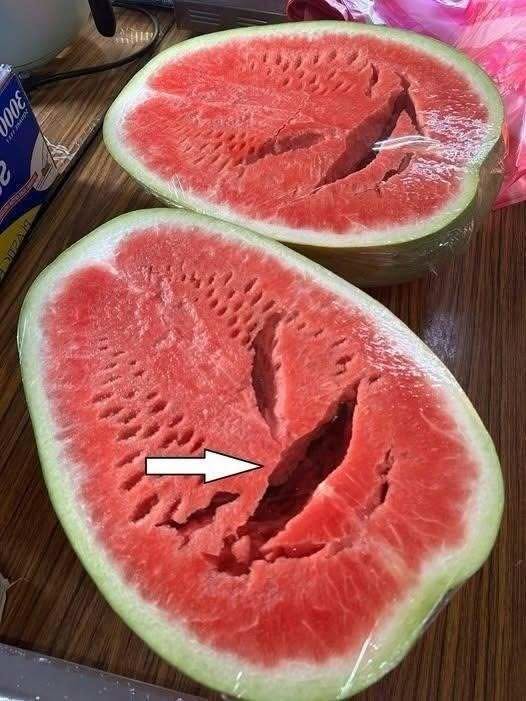
Occasionally, however, the inside of a watermelon looks different than expected. Deep cracks, hollow spaces, uneven patterns, or gaps within the flesh can surprise shoppers and raise immediate concerns.
These unusual features often become the subject of online discussions, where photos and videos can spread rapidly. In many cases, claims soon follow suggesting that the fruit may have been exposed to harmful chemicals or unsafe growing practices.
While such claims can sound alarming, food experts indicate that the explanation is often much simpler.
Many internal cracks and hollow sections develop naturally as a result of environmental conditions during growth. Although these imperfections may affect appearance, they do not automatically mean the fruit is dangerous.
Why the Interior of a Watermelon Can Look Unusual
Watermelons develop over time under changing weather conditions. As they grow, factors such as rainfall, temperature, and irrigation can influence the way the fruit forms internally.
One common reason for internal cracking is uneven growth. When a watermelon experiences a period of limited water followed by a sudden increase in moisture, the fruit may expand rapidly.
That rapid expansion can place stress on the internal structure of the watermelon. As a result, the flesh may separate in certain areas, creating cracks or hollow spaces.
These openings can appear dramatic when the fruit is sliced open, especially if someone has never seen them before.
Despite their appearance, such cracks are often a natural consequence of the growing process rather than evidence of contamination.
In many cases, the watermelon remains edible and safe to consume if there are no signs of spoilage.
The Role of Weather and Growing Conditions
Weather conditions can have a significant effect on the development of many fruits, including watermelons.
Periods of drought may slow growth temporarily. If substantial rainfall or heavy irrigation follows, the fruit can begin growing more quickly than before.
This sudden change may create internal stress that eventually leads to splitting within the flesh.
Temperature fluctuations can also contribute to unusual internal structures. Watermelons growing through changing environmental conditions may not always develop with perfectly uniform interiors.
Natural ripening processes may further influence texture and appearance. Even when a watermelon reaches maturity successfully, internal variations can still occur.
These factors help explain why two watermelons grown under different conditions may look quite different inside despite appearing similar from the outside.
Transportation and Handling Can Play a Part
The journey from the field to the store can also affect the fruit.
Watermelons are large and relatively heavy, making them vulnerable to pressure during transportation and handling.
Bumps, shifting loads, or impacts that occur while the fruit is being moved can contribute to internal damage.
Although the rind may remain intact, the flesh inside can sometimes develop cracks or hollow areas.
These changes are not always visible until the watermelon is cut open.
As a result, a shopper may be surprised to discover an unusual pattern even though the outside of the fruit appeared perfectly normal.
Understanding Concerns About Chlorfenuron
Discussions about cracked watermelons frequently include references to chlorfenuron.
Chlorfenuron is a plant growth regulator that has been used in certain agricultural settings to encourage cell division and support fruit development.
Because the substance can promote growth, some online conversations have linked it to hollow centers and unusual internal appearances in fruit.
These claims often circulate alongside photographs of watermelons containing cracks or cavities.
However, the presence of internal cracks alone does not prove that chlorfenuron was used.
Various environmental factors can produce similar results, making it impossible to determine the cause simply by looking at the inside of a watermelon.
Growing conditions, weather patterns, ripening behavior, and transportation-related stress can all create appearances that resemble those discussed online.
Regulation and Ongoing Evaluation
The use of chlorfenuron is not treated the same way everywhere.
Different countries apply different regulations regarding agricultural products and plant growth substances.
Some jurisdictions restrict or prohibit its use on certain crops, while others permit limited applications under established agricultural guidelines.
Regulatory authorities continue to evaluate available scientific information and establish standards intended to protect consumers.
Current scientific research has not conclusively demonstrated that typical dietary exposure to approved levels presents a serious risk to human health.
As with many agricultural practices, oversight and evaluation remain ongoing processes designed to support food safety.
How to Choose a Quality Watermelon
Selecting a watermelon often begins before it reaches the kitchen.
Several characteristics can help shoppers identify fruit that may have matured properly before harvest.
One commonly recommended sign is weight. A watermelon that feels heavy for its size may contain a higher amount of water and juice.
Another feature to look for is a creamy yellow field spot. This area forms where the watermelon rested on the ground while growing.
A creamy yellow color often indicates that the fruit remained on the vine long enough to mature naturally.
The rind should also feel firm and appear free from major soft spots.
Soft or damaged areas can sometimes signal deterioration or physical damage.
The stem can provide additional clues. A dry, brown stem may suggest the watermelon ripened on the vine before harvest.
While no method guarantees perfection, these characteristics are frequently used when evaluating watermelons at markets and grocery stores.
When Internal Cracks Are Not a Problem
Finding a crack inside a watermelon can be surprising, but the appearance alone does not necessarily indicate spoilage.
If the flesh still looks fresh, smells normal, and tastes as expected, minor internal cracks are usually not considered a reason for immediate concern.
The texture may differ slightly from a perfectly uniform watermelon.
Some cracked sections may be less juicy, while others may appear slightly separated from the surrounding flesh.
Even so, these differences often reflect natural variations rather than safety issues.
Many watermelons with internal imperfections remain enjoyable to eat and retain the qualities people expect from the fruit.
Signs That a Watermelon Should Be Discarded
While cracks alone are often harmless, there are circumstances in which a watermelon should not be eaten.
A sour or fermented odor is one important warning sign.
Fresh watermelon should have a pleasant and mild scent. An unpleasant smell may indicate spoilage.
Texture also matters. Flesh that becomes excessively mushy or slimy may signal deterioration.
Visible mold is another clear reason to discard the fruit.
Mold growth indicates contamination that should not be ignored.
An unusual or unpleasant taste may also suggest that the watermelon is no longer fresh.
If extensive deterioration appears throughout the interior, disposal is generally the safest choice.
These indicators are far more significant from a food safety perspective than cosmetic imperfections such as hollow spaces or internal cracking.
Separating Online Myths From Practical Food Safety
Social media often amplifies unusual discoveries because unexpected images attract attention.
A watermelon filled with cracks or hollow chambers can appear dramatic in a photograph, making it easy for speculation to spread.
However, dramatic appearances do not always indicate danger.
Many viral claims rely on assumptions rather than evidence.
Understanding how fruits grow can help consumers evaluate such claims more carefully.
Environmental conditions frequently provide a straightforward explanation for features that initially appear alarming.
Rather than assuming the worst, examining the overall condition of the fruit offers a more reliable approach.
Appearance, smell, texture, and taste provide valuable clues about freshness and quality.
Why Watermelon Remains a Popular Summer Fruit
Despite occasional surprises inside the rind, watermelon continues to be one of the most popular fruits of the summer season.
Its high water content makes it especially appealing during periods of warm weather.
The fruit is widely enjoyed for its refreshing taste, natural sweetness, and hydrating qualities.
Families frequently bring watermelons to picnics, outdoor gatherings, beach trips, and seasonal celebrations.
The occasional presence of internal cracks does little to change its long-standing popularity.
For most consumers, understanding the difference between harmless imperfections and genuine spoilage allows them to enjoy the fruit with greater confidence.
A Sensible Approach to Unusual Watermelon Interiors
Internal cracks, hollow sections, and unexpected patterns can certainly be surprising when a watermelon is first opened.
Yet these features are often linked to natural growth conditions, weather changes, ripening processes, or transportation-related stress.
They do not automatically indicate contamination or unsafe produce.
At the same time, consumers should remain attentive to signs of genuine spoilage, including foul odors, mold, slimy texture, unpleasant taste, or widespread deterioration.
Those warning signs deserve far more attention than cosmetic variations inside an otherwise fresh fruit.
Using common sense and careful observation remains one of the most effective ways to evaluate food quality.
When a watermelon appears fresh despite a few internal cracks, it is often simply displaying the effects of nature rather than a hidden danger.
By understanding the reasons behind these imperfections, shoppers can make informed decisions, avoid unnecessary concern, and continue enjoying one of summer’s most recognizable and refreshing fruits.

