Ali MacGraw’s Journey Beyond Hollywood: From Stardom and Heartbreak to a Life of Purpose and Peace
A Star Who Captured a Generation
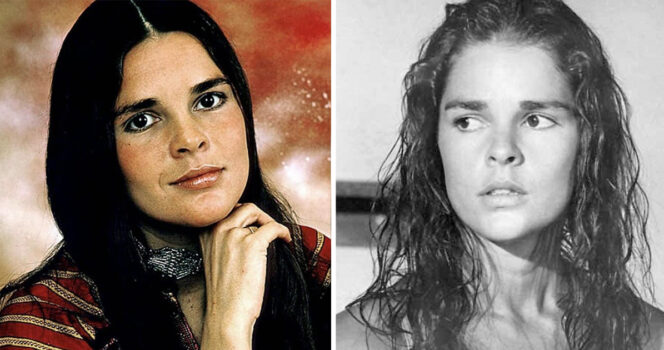
Few actresses experienced a rise to fame as swift and memorable as Ali MacGraw. With striking beauty, natural charisma, and a screen presence that audiences immediately connected with, she quickly became one of the most recognizable faces in American cinema.
Her breakthrough came during a period when Hollywood was producing films that would define an era, and she soon found herself at the center of one of the most beloved romantic stories ever brought to the screen.
Success arrived quickly, transforming her from a rising talent into an international star almost overnight.
Yet while many expected her to remain a permanent fixture of Hollywood glamour, MacGraw eventually chose a very different direction for her life.
Today, at 85, she lives far from the entertainment industry’s spotlight, embracing a quieter lifestyle focused on creativity, community, and personal fulfillment.
A Childhood Shaped by Creativity and Hardship
Born Elizabeth Alice MacGraw on April 1, 1939, in Pound Ridge, New York, she grew up in a family where artistic talent was abundant but stability was often difficult to find.
Her mother, Frances, was an artist who had previously worked at a school in Paris before settling in Greenwich Village. Her father, Richard MacGraw, was also an artist whose early life had been marked by profound challenges.
Richard spent part of his childhood in an orphanage before leaving at age 16 to work at sea. He later studied art in Munich, Germany, but the emotional scars of his early experiences remained with him throughout his life.
Ali later reflected on the pain her father carried for decades.
“Daddy was frightened and really, really angry. He never forgave his real parents for giving him up,” she said.
She also described how much of his life involved “suppressing the rage that covered all his hurt.”
The family faced financial difficulties as well.
Ali, her parents, and her brother Richard Jr. lived in a small home on a wilderness preserve alongside an elderly couple, sharing common spaces and living with very little privacy.
“There were no doors; we shared the kitchen and bathroom with them,” Ali recalled. “It was utter lack of privacy. It was horrible.”
Her mother worked tirelessly on commercial art assignments to help support the family, while her father struggled to earn a living from his paintings.
The tension created by those circumstances often affected family life.
“On good days he was great, but on bad days he was horrendous,” Ali remembered. “Daddy would beat my brother up, badly. I was witness to it, and it was terrible.”
Education and Early Professional Ambitions
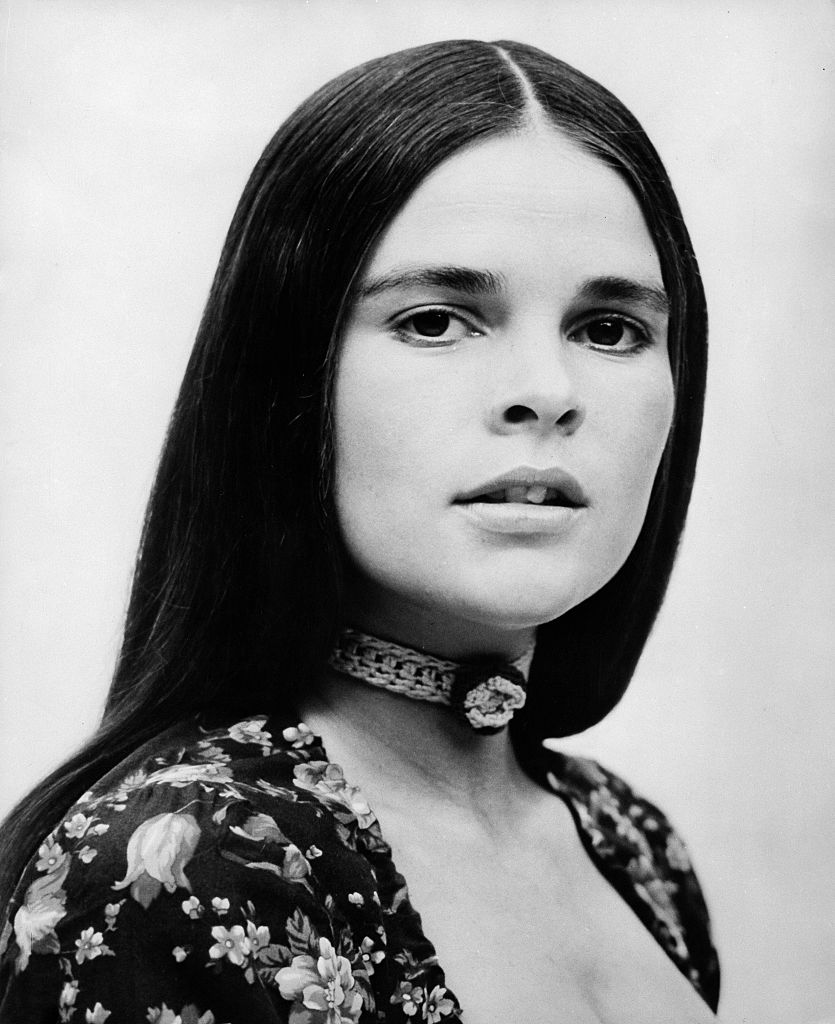
Despite the difficulties at home, MacGraw inherited a strong appreciation for creativity and design.
Her artistic upbringing influenced her sense of style and helped shape the visual instincts that would later become valuable in both fashion and film.
She earned a scholarship to Rosemary Hall before continuing her education at Wellesley College in Massachusetts in 1956.
After college, she moved to New York City and began building a professional career.
At 22, she secured a position as an assistant editor at Harper’s Bazaar, one of the most influential fashion publications in the country.
The role introduced her to an industry that demanded discipline, energy, and constant attention to detail.
Her opportunities expanded further when renowned fashion editor Diana Vreeland brought her into the organization.
The environment was intense and highly competitive.
Recalling those years, MacGraw described the atmosphere with a simple but memorable observation.
“It was ‘Girl! Get me a pencil!’,” MacGraw recalled.
Her dedication quickly became apparent to those around her.
After photographer Melvin Sokolsky noticed her potential, she transitioned into a better-paying role as a stylist.
She remained in the field for six years and earned a reputation for remarkable commitment.
Former art director Ruth Ansel once remarked, “I don’t know where she got this work ethic, but Ali would come in at eight a.m., and many times I’d come back at one in the morning and she would still be doing things for the next day.”
Moving From Fashion Into Entertainment
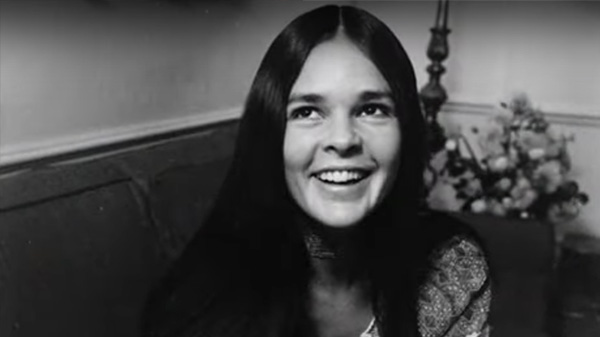
MacGraw eventually found herself stepping into the spotlight rather than helping create it from behind the scenes.
She began modeling and quickly attracted attention for her distinctive appearance.
Magazine covers, advertising campaigns, and television commercials followed, increasing her visibility and opening new professional doors.
Before fully committing to acting, she experienced a bizarre encounter with artist Salvador Dalí.
During a sketch session years earlier, the experience took an unexpected turn when Dalí began sucking her toes while working.
The unusual moment became one of several experiences that encouraged her to pursue acting instead.
Her decision proved to be the right one.
After appearing in a small role in A Lovely Way to Die in 1968, she landed the lead role in Goodbye, Columbus in 1969.
The performance earned her a Golden Globe for Most Promising Newcomer and established her as one of Hollywood’s most exciting emerging talents.
The Role That Made Her a Global Star
Everything changed when MacGraw received the script for Love Story.
She connected deeply with the material from the beginning and later admitted that it moved her emotionally while she read it.
The project would become one of the defining moments of her career.
Producer Robert Evans immediately believed she was perfect for the role of Jenny after meeting her in Beverly Hills.
That professional connection soon became personal.
As the film moved forward, Evans fell in love with MacGraw, and their relationship developed alongside her growing success.
When Love Story premiered in 1970, audiences responded enthusiastically.
Starring opposite Ryan O’Neal, MacGraw portrayed a working-class college student whose romance became one of cinema’s most memorable love stories.
The film became the highest-grossing movie in America and one of the most successful releases of its era.
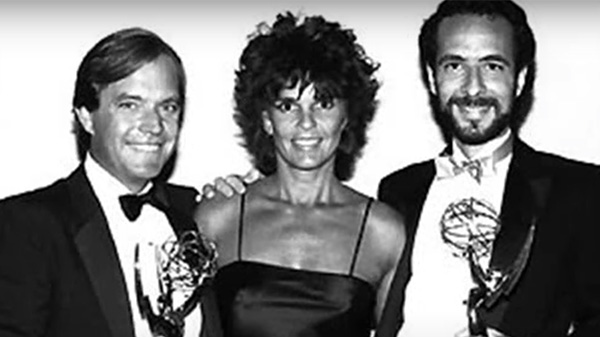
MacGraw’s performance earned widespread acclaim, including an Academy Award nomination and a Golden Globe for Best Actress in a Motion Picture – Drama.
Within a remarkably short period, she had become one of the biggest stars in Hollywood.
Marriage, Success, and Changing Priorities
During this period, MacGraw’s relationship with Robert Evans continued to deepen.
The couple married in 1969 and welcomed their son, Josh Evans, in 1971.
From the outside, her life appeared to represent the height of success.
She had achieved fame, critical recognition, financial security, and a high-profile marriage.
Yet personal fulfillment proved more complicated than public appearances suggested.
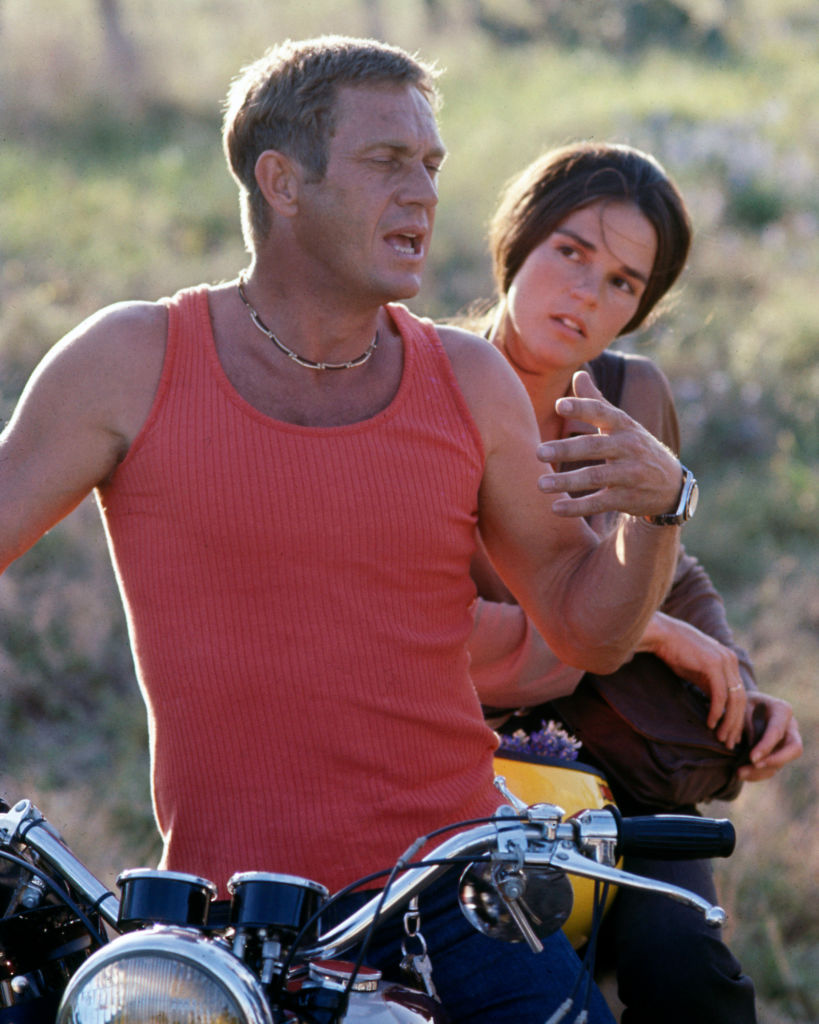
A major shift occurred when Steve McQueen entered her life.
He visited her home to discuss appearing together in The Getaway, and the encounter had an immediate impact on her.
“I looked in those blue eyes, and my knees started knocking,” she admitted. “I became obsessed.”
The relationship developed rapidly, leading her to leave Evans and begin a new chapter with McQueen.
A Complicated Marriage to Steve McQueen
MacGraw admired McQueen’s independence and admired the fact that he seemed disconnected from many aspects of Hollywood culture.
“Steve was this very original, principled guy who didn’t seem to be part of the system, and I loved that,” she said.
However, the relationship became increasingly difficult.
McQueen’s own troubled upbringing influenced many aspects of their marriage.
According to MacGraw, he expected her to place domestic responsibilities ahead of personal interests and professional ambitions.
“I couldn’t even go to art class because Steve expected his ‘old lady’ to be there every night with dinner on the table,” she said.
Jealousy also created ongoing tension between them.
“Steve’s idea of hot was not me. He liked blond bimbos, and they were always around.”
The marriage ultimately ended in divorce in 1978.
Professional Setbacks and Personal Struggles
The years following the divorce proved challenging.
Several film projects failed to achieve the success she had once enjoyed, and her career momentum slowed significantly.
At the same time, she struggled with alcohol and substance abuse.
MacGraw later spoke openly about the role alcohol played in some of the most difficult periods of her life.
“The worst stuff happened when I drank,” she said. “I lost my judgment; I fancied other women’s husbands.”
Recognizing the need for change, she entered the Betty Ford Clinic in 1986.
The decision became a major turning point.
At the time, her son Josh was 15 years old and witnessed much of what she was experiencing.
Treatment helped MacGraw regain stability and begin rebuilding her life with greater clarity and purpose.
A Wildfire Leads to a New Beginning
Another significant turning point arrived in 1993 when a wildfire destroyed her California home.
The loss was painful, but it also prompted her to reconsider the direction of her future.
Rather than rebuilding her life in Los Angeles, she chose a different path.
She relocated to northern New Mexico and settled in Tesuque, a small village near Santa Fe.
The move provided a dramatic contrast to the pace and pressure of Hollywood.
“I live in a little village north of Santa Fe, New Mexico called Tesuque,” she revealed.
There, she established a lifestyle centered on simplicity, creativity, and meaningful community involvement.
Neighbors came to know her not merely as a movie star but as an engaged member of local life.
Among her ongoing commitments has been support for the International Folk Art Market in Santa Fe.
Finding Fulfillment Beyond Acting
Although MacGraw stepped away from the spotlight, she never abandoned creativity.
She continued exploring artistic interests through various projects and causes.
In 2006, she reunited with Ryan O’Neal in a Broadway adaptation of the Danish film Festen.
She also became involved in animal rights advocacy and developed successful yoga-related projects.
Her later years demonstrated that creative fulfillment does not depend on constant public attention.
For MacGraw, curiosity remained an essential part of daily life.
“One of the lucky things for someone my age is that I’m open and curious,” she said in 2019. “There’s not just one thing I love to do and feel bereft if I can’t. But I know that I’m not happy when I’m not doing something creative.”
A Strong Relationship With Her Son
Family remains one of the most important parts of MacGraw’s life.
Her son, Josh Evans, built a career in entertainment, first appearing in films such as Born on the Fourth of July before later moving into directing.
Josh has explained that storytelling behind the camera feels more natural to him than performing in front of it.
“I am definitely more comfortable on the side of the camera that does not show myself,” Josh said.
He also reflected on the difference between acting and directing.
“As far as directing and telling my stories, I would do that for free, whereas acting is more of a job, but I enjoy it once I do it.”
The bond between mother and son has remained exceptionally close over the years.
MacGraw has frequently expressed admiration for Josh and the life he has built.
“He’s so wonderful,” Ali once said about her son. “He’s my favorite human being on the planet, and he goes out with a girl I’m nuts about. Their relationship is so much about, among other things, friendship and respect.”
A Legacy Defined by Reinvention
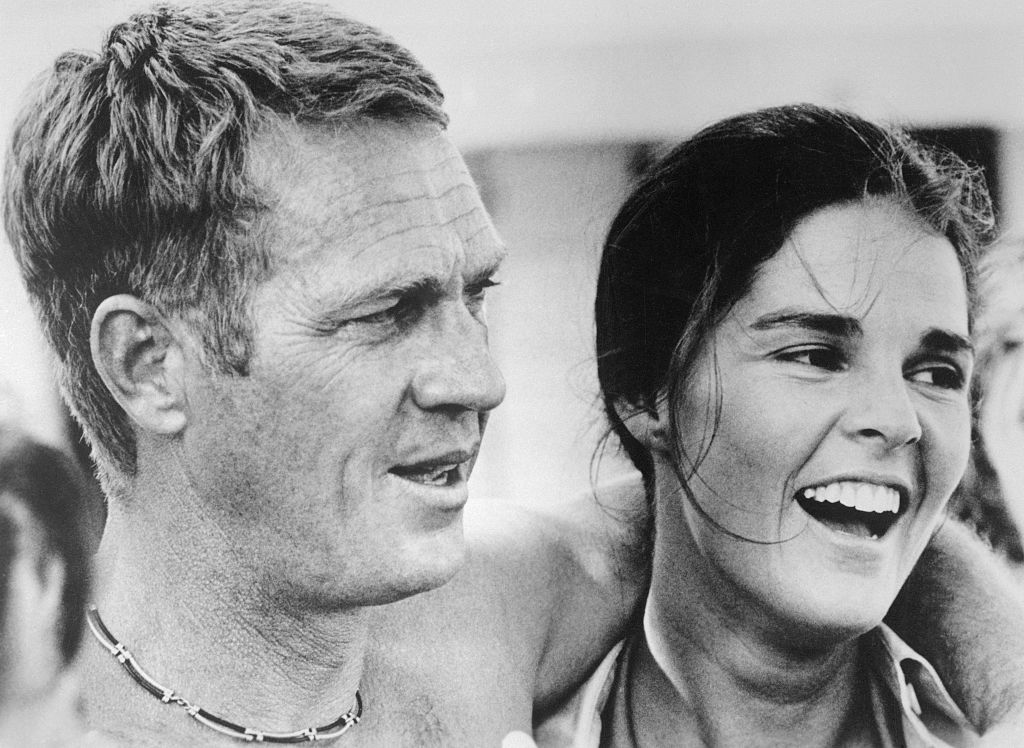
Ali MacGraw’s life story extends far beyond movie stardom.
It includes childhood adversity, artistic ambition, extraordinary success, personal heartbreak, addiction, recovery, and transformation.
She experienced the highest levels of Hollywood fame before choosing to pursue a life that felt more authentic to her values.
Rather than chasing public attention indefinitely, she embraced a different definition of success.
She exchanged red carpets for quiet community life, celebrity culture for personal freedom, and constant visibility for lasting peace.
Today, she remains admired not only for the films that made her famous but also for the choices she made afterward.
Her graceful approach to aging, her commitment to creativity, and her willingness to reinvent herself continue to resonate with many people.
For a woman whose name became linked to one of cinema’s most celebrated love stories, the most enduring chapter may be the life she built after leaving Hollywood behind.
