Understanding Breast Cancer: Types, Risks, Diagnosis, Treatment, and Life Beyond the Disease
Overview of Breast Cancer
Breast cancer remains one of the most widely studied medical conditions in modern healthcare, yet it continues to affect millions of people worldwide every year. Despite advances in research, awareness, and treatment, the disease still represents a major global health concern, making education and early detection essential components in reducing its impact.
This form of cancer develops when breast cells begin to grow and divide in an uncontrolled manner. While both men and women can be diagnosed with breast cancer, it is significantly more common in women. The disease can originate in different parts of the breast, including the milk-producing lobules, the ducts responsible for carrying milk toward the nipple, or the surrounding connective tissue.
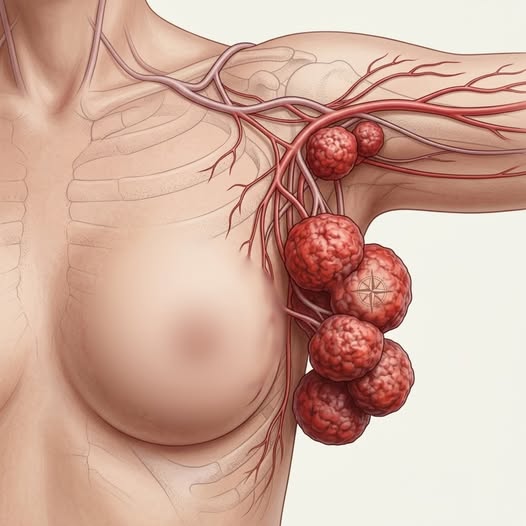
If left undetected or untreated, abnormal cancer cells may continue to spread into nearby tissues. In more advanced cases, they can also travel through the bloodstream or lymphatic system to other parts of the body, a process known as metastasis, which makes treatment more complex and urgent.
The Most Common Types of Breast Cancer
Breast cancer is not a single condition but rather a group of related diseases, each with distinct characteristics and levels of severity. One of the most common forms is ductal carcinoma in situ (DCIS), which remains confined within the milk ducts and does not spread into surrounding tissue. Although non-invasive, it requires careful monitoring and treatment to prevent progression.
Invasive ductal carcinoma is another frequently diagnosed type. It begins in the milk ducts but eventually breaks through into surrounding breast tissue, allowing it to spread further if not treated promptly. Invasive lobular carcinoma starts in the lobules, where milk is produced, and also carries the risk of spreading beyond its original site.
Inflammatory breast cancer is a rarer but more aggressive form of the disease. It often develops quickly and may cause visible changes such as redness, swelling, and warmth in the breast. Another type, known as Paget’s disease, affects the skin of the nipple and often resembles eczema in its early stages, which can delay diagnosis if not carefully evaluated.
Who Is at Risk
Breast cancer can develop in anyone, but certain factors significantly increase the likelihood of diagnosis. Age is one of the most important risk indicators, as the chances of developing the disease rise steadily as individuals grow older.
Genetic history also plays a critical role. Individuals with a family background of breast or ovarian cancer, particularly those linked to BRCA1 or BRCA2 gene mutations, face a significantly higher risk. These genetic factors can be inherited and may greatly influence a person’s susceptibility to the disease.
Other contributing factors include hormonal influences and lifestyle choices. Postmenopausal hormone therapy, obesity, physical inactivity, and excessive alcohol consumption have all been associated with increased risk. Reproductive history can also be relevant, including starting menstruation at an early age, experiencing late menopause, never giving birth, or having a first child later in life.
Recognizing the Symptoms
In its early stages, breast cancer often develops without noticeable symptoms, which makes regular screening especially important. When symptoms do appear, they can vary from person to person but often include a noticeable lump or thickening in the breast or underarm area. These lumps are typically painless, which can make them easier to overlook.
Other warning signs may include changes in the shape or size of the breast, dimpling or puckering of the skin resembling an orange peel texture, or redness and flaking around the nipple. Some individuals may also experience nipple inversion or unusual discharge.
Additional symptoms can include persistent pain in the breast or nipple, localized swelling, or ongoing sensations such as itching or burning. Any of these changes should be evaluated by a medical professional to ensure timely diagnosis and treatment.
How Breast Cancer Is Diagnosed
Early detection plays a crucial role in improving treatment outcomes and survival rates. Mammograms are the most commonly used screening tool, providing detailed X-ray images that can reveal abnormalities in breast tissue before they become physically noticeable.
Ultrasound imaging is often used alongside mammography to help distinguish between solid masses and fluid-filled cysts. In some cases, magnetic resonance imaging (MRI) may be recommended, particularly for individuals with dense breast tissue or those considered at higher risk.
A definitive diagnosis typically requires a biopsy, in which a small sample of breast tissue is removed and examined under a microscope. This procedure confirms whether cancer cells are present and helps determine the specific type and stage of the disease. For individuals with a strong family history, genetic testing may also be advised to identify inherited risk factors.
Medical Treatment Options
Breast cancer treatment is highly individualized and depends on the type, stage, and biological characteristics of the disease. Surgery is often one of the first treatment options. A lumpectomy involves removing the tumor while preserving most of the breast tissue, while a mastectomy involves partial or complete removal of one or both breasts.
In some cases, surgeons also perform a sentinel lymph node biopsy to determine whether cancer has spread beyond the breast. This helps guide further treatment decisions.
Radiation therapy uses high-energy beams to eliminate remaining cancer cells after surgery and is commonly recommended following breast-conserving procedures. Chemotherapy uses powerful medications to target cancer cells throughout the body and may be administered before surgery to shrink tumors or afterward to reduce recurrence risk.
Hormone therapy is used when cancer cells are sensitive to estrogen or progesterone. Medications such as tamoxifen and aromatase inhibitors like anastrozole and letrozole work by blocking hormones that can fuel cancer growth.
Targeted therapy focuses on specific proteins within cancer cells. One well-known example is trastuzumab, used in HER2-positive breast cancer cases. Immunotherapy, which strengthens the body’s immune response to cancer cells, is also becoming an increasingly important treatment option for certain patients.
Natural and Complementary Approaches
While alternative therapies cannot replace medical treatment, many patients use complementary methods to support overall well-being during recovery. Nutrition plays an important role, with anti-inflammatory diets often including vegetables like broccoli, kale, and cauliflower, as well as fruits rich in antioxidants such as berries and pomegranates.
Healthy fats from sources like olive oil, chia seeds, and avocados are also commonly included in supportive dietary approaches. Some individuals incorporate turmeric, often combined with black pepper to enhance absorption, as well as green tea for its antioxidant properties.
Additional supplements such as omega-3 fatty acids, vitamin D, probiotics, astragalus, and cat’s claw are sometimes explored for immune support. However, these should always be used under medical supervision, especially during active treatment.
Complementary practices such as yoga, meditation, massage therapy, acupuncture, and aromatherapy may help reduce stress, improve sleep, and support emotional well-being throughout the treatment process.
It is essential to consult healthcare professionals before starting any supplements or alternative therapies, as interactions with medical treatments can occur.
Prevention and Early Detection
Although breast cancer cannot be entirely prevented, certain lifestyle choices may help reduce risk. Maintaining a healthy body weight, engaging in regular physical activity, limiting alcohol consumption, avoiding tobacco, and breastfeeding when possible are commonly recommended preventive measures.
Medical experts also recommend routine screening practices, including monthly self-examinations, annual checkups, and mammograms beginning around age 40 or earlier for individuals with elevated risk factors.
Early detection remains one of the most effective ways to improve treatment outcomes, making awareness and proactive healthcare essential.
The Physical and Emotional Impact
Breast cancer affects more than just the body. Patients often face significant physical challenges such as fatigue, nausea, pain following surgery, hair loss, and potential fertility complications due to treatment.
Emotionally, many individuals experience anxiety, depression, changes in self-image, and fear of recurrence. The condition can also affect relationships, intimacy, and overall quality of life.
Financial strain and social isolation are also common, as long-term treatment may impact employment and create significant medical expenses, adding further stress to patients and families.
Survival, Recovery, and Life After Diagnosis
Despite its seriousness, breast cancer outcomes have improved significantly due to advancements in medical research and treatment. Early-stage breast cancer now has a five-year survival rate exceeding ninety percent in many cases.
Modern treatment approaches focus not only on eliminating cancer but also on preserving quality of life. Survivors often benefit from rehabilitation, reconstructive surgery, counseling, and strong community support systems.
Many survivors go on to become advocates, educators, and sources of inspiration for others facing similar diagnoses. Their experiences help raise awareness and encourage early screening.
The emotional reflections of survivors often capture the resilience required to face the disease:
“Cancer taught me to value life one day at a time.”
“My scar does not weaken me. It gives me strength.”
“I am not a victim. I am a warrior.”
Final Thoughts
Breast cancer remains a serious medical condition, but it is also one of the most treatable forms of cancer when detected early and managed properly. Advances in medicine, combined with emotional support and lifestyle awareness, have significantly improved outcomes for many patients.
Education, prevention, and early detection continue to be the most powerful tools in reducing the impact of the disease. Whether supporting a loved one or facing the diagnosis personally, awareness and timely action remain essential in navigating the journey of breast cancer.
