
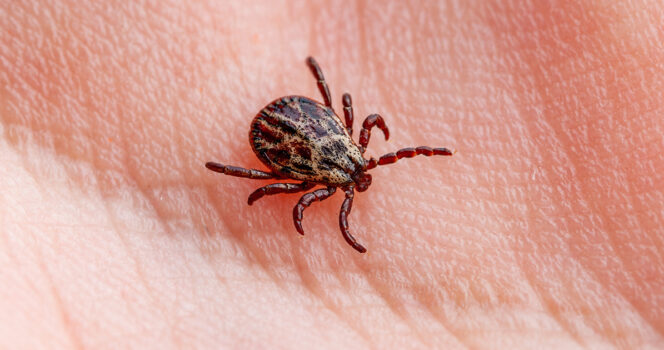
Understanding Ticks: Risks, Safe Removal, and Health Concerns Linked to Tick Bites
Ticks in Rural and Natural Environments
For people living in rural areas, near forests, fields, or other natural landscapes, encounters with ticks are a common part of outdoor life. These small arachnids are widely distributed in many parts of the world and are especially active in environments where wildlife is abundant.
Ticks survive by feeding on the blood of mammals, birds, and sometimes reptiles. Despite their tiny size, they are highly efficient at attaching themselves to hosts and remaining unnoticed for extended periods.
While a single tick bite may not cause noticeable harm at first glance, the potential health risks associated with these parasites make them a serious concern for both humans and animals.
Why Tick Bites Can Be Dangerous
The primary risk associated with ticks is not blood loss, which is minimal, but the transmission of infectious diseases. When ticks feed, they can transfer pathogens into the bloodstream of their host.
Several illnesses are known to be carried by ticks, including Lyme disease, Rocky Mountain spotted fever, and babesiosis. These conditions vary in severity but can lead to long-term health complications if not addressed promptly.
Lyme disease, for example, is one of the most widely recognized tick-borne illnesses and can cause symptoms ranging from fatigue and joint pain to neurological complications if left untreated. Other tick-borne infections may result in fever, muscle aches, and systemic illness that can worsen over time.
Because symptoms can appear gradually or mimic other common conditions, early detection is often challenging, making prevention an important part of reducing risk.
Reducing the Risk of Tick Exposure
People who spend time outdoors in wooded or grassy areas are generally more likely to encounter ticks. While complete avoidance is not always possible, several practical measures can help reduce exposure.
Wearing protective clothing that covers exposed skin can limit opportunities for ticks to attach. Staying on cleared paths and avoiding tall grass or dense vegetation may also reduce contact.
After spending time outdoors, careful inspection of clothing and skin is commonly used as a preventive habit in areas where ticks are prevalent. This includes checking less visible parts of the body where ticks may attach without immediate detection.
Although these precautions do not eliminate risk entirely, they significantly reduce the likelihood of tick bites.

How to Safely Remove a Tick
If a tick becomes attached to the skin, prompt and careful removal is considered important. The method used can influence the likelihood of complications or infection.
One of the recommended approaches involves using fine-tipped tweezers or forceps. The tick should be grasped as close to the skin’s surface as possible to ensure that the head is removed along with the body.
The removal should be performed with steady, even pressure. Pulling upward in a slow, continuous motion helps prevent parts of the tick from breaking off and remaining embedded in the skin.
It is generally advised to avoid twisting or squeezing the tick during removal, as this can increase the risk of releasing infectious material into the bite site.
Once the tick has been removed, the area should be cleaned thoroughly to reduce the chance of infection.
Proper Disposal of a Removed Tick
After removal, the tick should be disposed of in a way that prevents further contact with humans or animals. Simple disposal methods are often used, but care is taken to ensure it cannot survive or reattach to another host.
One approach involves placing the tick in a sealed container or plastic bag. This prevents escape and limits exposure.
Another method includes wrapping the tick in tissue before flushing it away, ensuring it is no longer able to pose a risk.
In some situations, particularly when pets are involved, keeping the tick for identification may be recommended. This allows for potential analysis if symptoms develop later.
Regardless of the method chosen, proper handling ensures that the tick does not continue its lifecycle or create additional exposure risks.
Ticks and Domestic Animals
Pets, especially dogs and cats, are frequently exposed to ticks during outdoor activity. Their fur provides an ideal environment for ticks to attach and remain unnoticed.
Regular inspection of pets is commonly practiced to reduce the risk of tick-borne illness. Certain areas of the body are more likely to harbor ticks, including the ears, armpits, groin, skin folds, and between the toes.
Careful checking involves both visual inspection and gentle palpation to detect small, firm bumps that may indicate the presence of a tick.
Because pets can bring ticks into the home environment, consistent monitoring is an important step in reducing household exposure as well.
Maintaining tick control for animals contributes to broader protection for all members of the household.
Signs and Symptoms Following a Tick Bite
Not all tick bites result in illness, but it is important to be aware of potential symptoms that may indicate infection.
Early signs of certain tick-borne diseases can resemble flu-like conditions. These may include fever, fatigue, headaches, and muscle or joint pain.
In some cases, a distinct rash may develop around the bite site. One well-known pattern is a circular or bullseye-shaped rash, which can be associated with Lyme disease.
Other tick-borne illnesses may produce chills, weakness, or persistent tiredness that worsens over time.
Because symptoms can vary widely depending on the disease and individual response, monitoring health after a suspected tick bite is an important precaution.

When Medical Attention May Be Needed
If symptoms appear following a tick bite, professional medical evaluation is generally considered important. Early assessment can help determine whether an infection is present and guide appropriate treatment.
Prompt attention can reduce the likelihood of complications associated with tick-borne diseases. In many cases, early intervention leads to more effective management and improved outcomes.
Even in situations where symptoms are mild or uncertain, seeking medical guidance can provide clarity and reassurance.
The Importance of Awareness and Prevention
Ticks may be small, but their impact on human and animal health can be significant. Understanding how they behave, where they are commonly found, and how they transmit disease is essential for reducing risk.
Awareness of prevention methods, combined with careful inspection after outdoor exposure, plays a key role in limiting tick-borne infections.
Safe removal techniques and proper handling after a bite further reduce potential health concerns.
While ticks are a natural part of many ecosystems, informed precautions can greatly reduce the likelihood of illness and help ensure safer interactions with the outdoors.

