
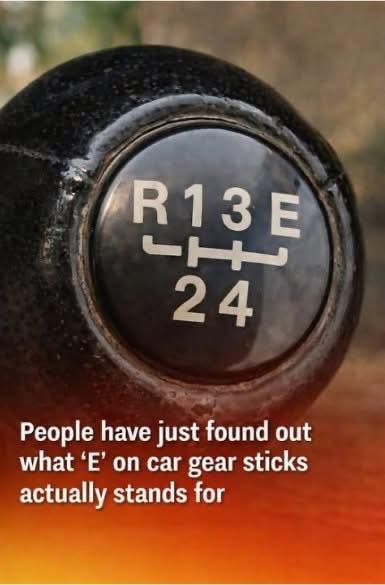
Understanding the “E” Gear in Older Automatic Cars and Its Role in Fuel Efficiency
Automatic transmissions have long been a defining feature of modern driving, offering simplicity and convenience compared to manual gear systems. For decades, drivers have relied on familiar gear selector markings such as Park (P), Reverse (R), Neutral (N), and Drive (D). These standard options provide clear and essential control over how a vehicle operates in everyday situations.
However, in some older automatic vehicles, there was an additional marking that is less commonly seen today: the letter “E.” While many modern drivers may not recognize it, this feature once played an important role in improving fuel efficiency and giving drivers more control over how their vehicles performed under different conditions.
Understanding what the “E” gear represented, how it functioned, and why it eventually disappeared provides useful insight into the evolution of automotive technology and the long-standing focus on efficiency in vehicle design.
The Meaning Behind the “E” Gear
In earlier generations of automatic cars, the letter “E” typically stood for “Economy.” This mode was designed to help drivers reduce fuel consumption during regular driving. At a time when fuel efficiency was becoming an increasing concern, manufacturers introduced this feature as a practical solution for conserving energy.
Unlike standard driving modes that prioritized performance and responsiveness, the economy setting focused on minimizing fuel usage. It allowed drivers to choose a more efficient driving style without making major adjustments to their habits.
This feature was especially relevant during periods when fuel prices were rising and drivers were looking for ways to lower their overall consumption. By selecting the “E” mode, they could make a conscious decision to prioritize efficiency over speed or acceleration.
How Economy Mode Functioned
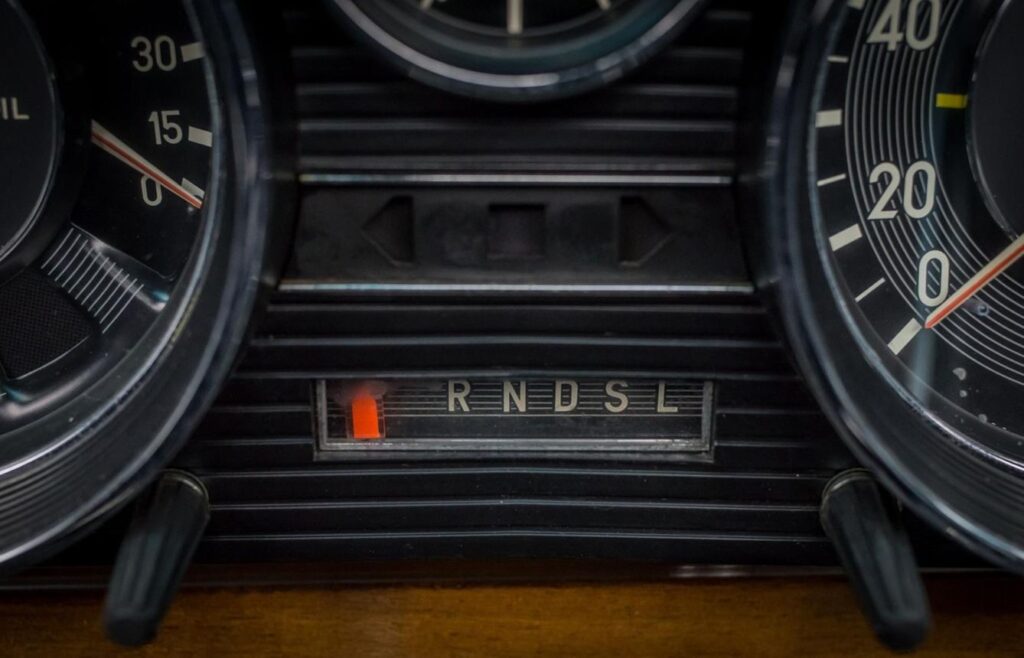
When the “E” gear was engaged, the vehicle’s transmission adjusted its shifting behavior to operate more efficiently. One of the primary changes involved shifting gears at lower engine speeds. This meant the engine would not need to work as hard, reducing the number of revolutions per minute (RPM).
Lower RPM levels generally lead to reduced fuel consumption, especially during steady driving conditions. As a result, the vehicle could maintain motion while using less energy.
Another noticeable effect of economy mode was a change in acceleration. Instead of responding quickly to pressure on the accelerator, the car would increase speed more gradually. This smoother, less aggressive acceleration helped conserve fuel and reduce strain on the engine.
This approach worked particularly well during highway driving or long-distance travel, where maintaining a consistent speed was more important than rapid changes in velocity. In such conditions, the “E” mode allowed drivers to maximize efficiency without sacrificing comfort.
A Practical Feature for Its Time
When the “E” gear was introduced, automotive systems were largely mechanical. Vehicles did not yet have the advanced computer technology that is now standard in modern cars. As a result, drivers had more direct control over how their vehicles operated.
The economy mode provided a simple but effective way to influence performance. By manually selecting this setting, drivers could adapt their vehicle’s behavior based on their needs. For example, they could use standard drive mode for city traffic and switch to economy mode for longer, steady trips.
This level of control was especially valuable in an era when fuel efficiency was becoming a growing concern but technological solutions were still limited. The “E” gear served as an early attempt to address this challenge in a practical and accessible way.
Limitations of Early Economy Systems
Despite its usefulness, the “E” gear had certain limitations. Because it relied on mechanical adjustments rather than electronic systems, it could not adapt to changing conditions in real time.
Drivers had to decide when to activate the mode, and the system itself did not account for factors such as road incline, traffic patterns, or variations in driving behavior. This meant that while it could improve efficiency under the right conditions, it was not always the optimal choice in every situation.
Additionally, the reduced acceleration associated with economy mode could feel less responsive, particularly when quick speed changes were needed. Some drivers preferred to switch back to standard drive mode in situations requiring more power, such as overtaking other vehicles or driving uphill.
Even with these limitations, the “E” gear represented an important step forward in the effort to improve fuel efficiency in everyday driving.
The Transition to Modern Automotive Technology
As automotive engineering advanced, vehicles began to incorporate electronic control units and computerized systems. These technologies allowed cars to monitor performance and make adjustments automatically, without requiring manual input from the driver.
Modern vehicles are equipped with sensors that track various factors, including engine load, speed, throttle position, and driving conditions. Using this data, the vehicle’s system can continuously optimize performance and efficiency.
This development made features like the “E” gear less necessary. Instead of relying on a fixed setting, modern transmissions can adjust dynamically, providing the benefits of economy mode without requiring the driver to select it manually.
Why the “E” Gear Disappeared
With the rise of intelligent systems, the traditional “E” marking gradually disappeared from most vehicles. Its function did not vanish, but it became integrated into more advanced and automated systems.
Today, drivers no longer need to think about when to switch between performance and efficiency. The vehicle handles these decisions automatically, balancing power and fuel consumption based on real-time conditions.
This shift has resulted in smoother driving experiences and improved overall efficiency, achieved without additional effort from the driver. The simplicity of modern systems reflects a broader trend toward automation in the automotive industry.
Modern Versions of Economy Mode
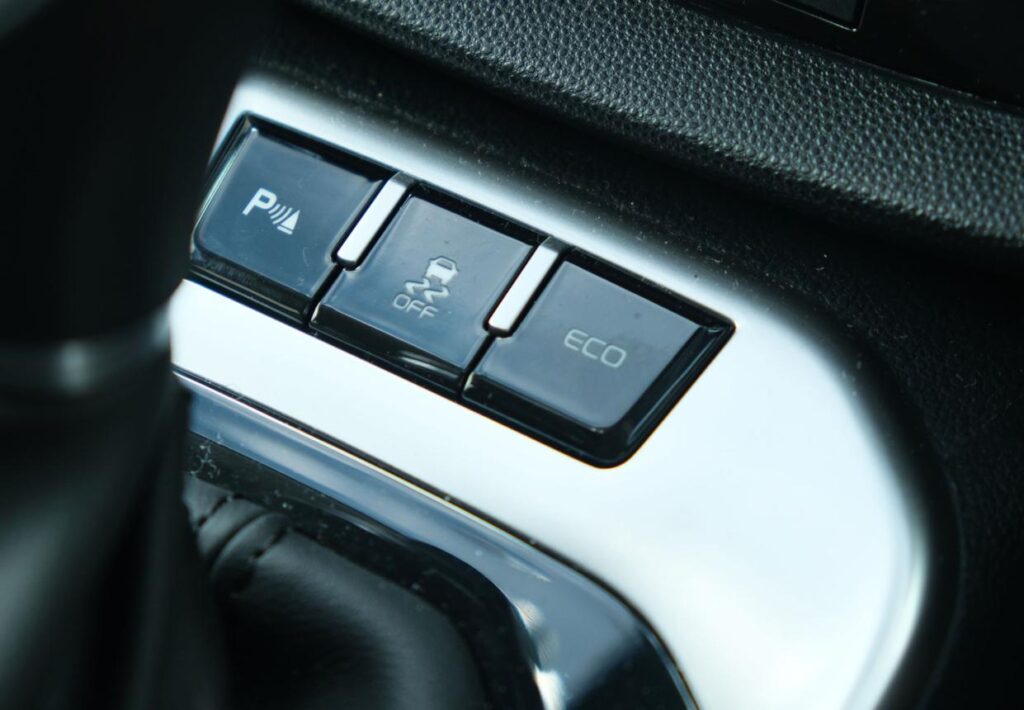
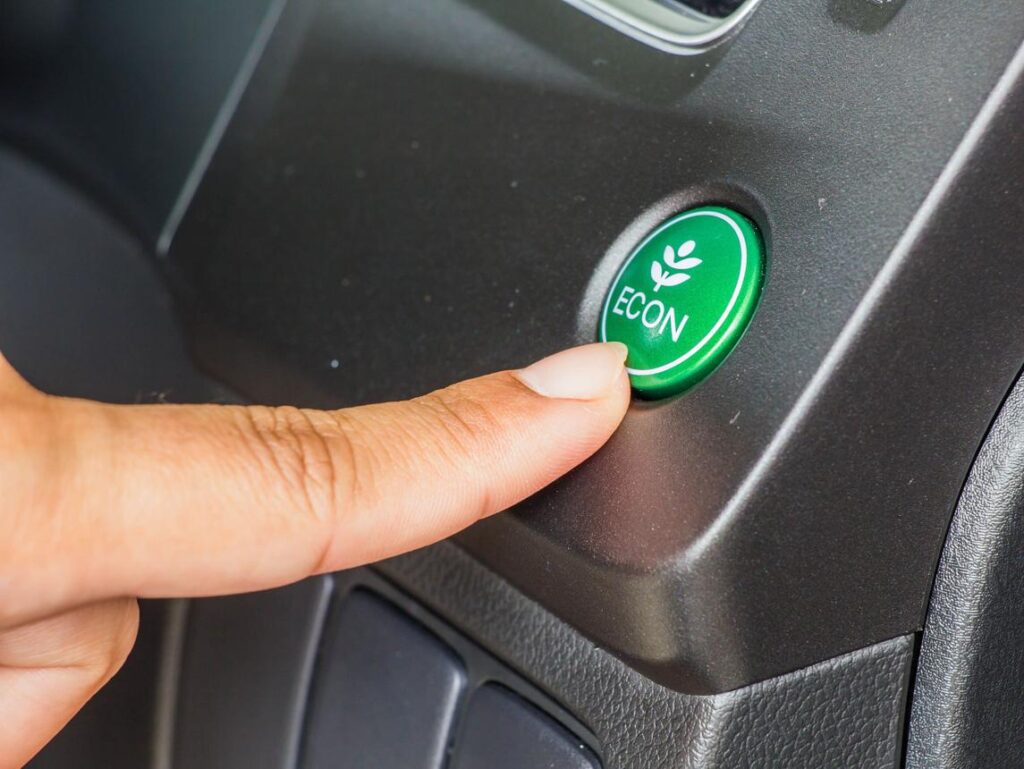
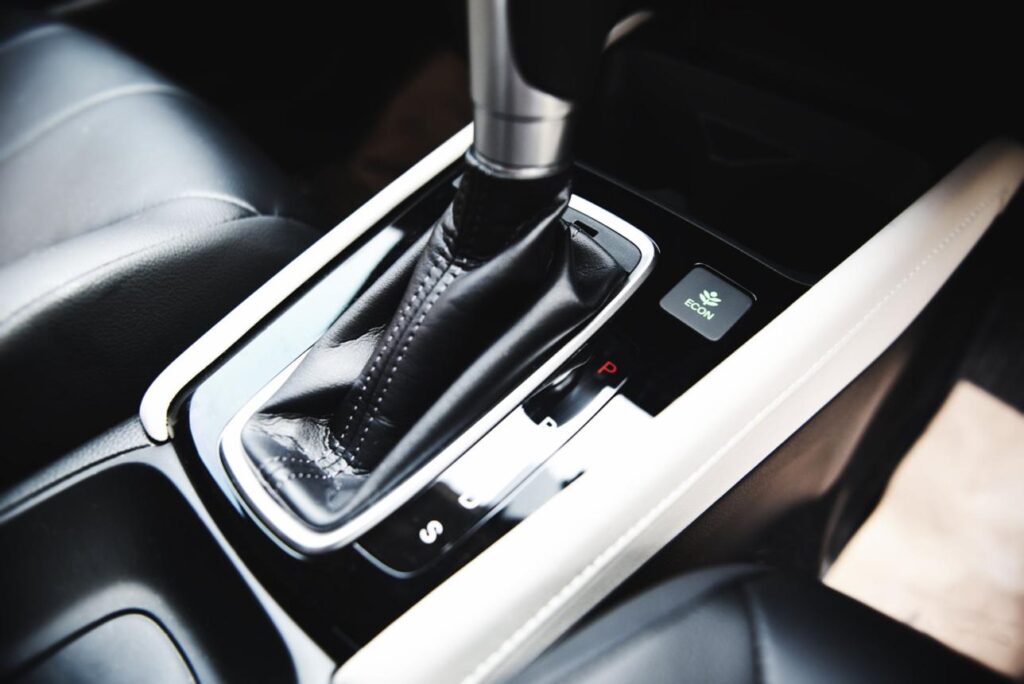
Although the original “E” gear is no longer common, the concept behind it continues to exist in modern vehicles. Many cars now include settings labeled “Eco” or similar terms, which serve a comparable purpose.
These modes adjust various aspects of vehicle performance, including throttle response, transmission behavior, and power output. In hybrid and electric vehicles, they may also influence how energy is distributed between different systems.
Unlike earlier mechanical solutions, modern eco modes rely on advanced software and algorithms. This allows for more precise control and better adaptation to changing conditions, resulting in greater efficiency and improved performance.
The Evolution of a Simple Idea
The “E” gear represents an early effort to address one of the most important challenges in automotive design: balancing performance with efficiency. While the technology behind it was relatively simple, the idea itself laid the foundation for more advanced systems that followed.
Over time, this concept has evolved from a manual setting into a fully integrated feature of modern vehicles. What once required driver input is now handled seamlessly by sophisticated onboard systems.
This transformation reflects the broader evolution of the automotive industry, from mechanical engineering to digitally controlled performance. It also highlights how even small features can play a significant role in shaping future innovations.
A Look Back at Automotive Progress
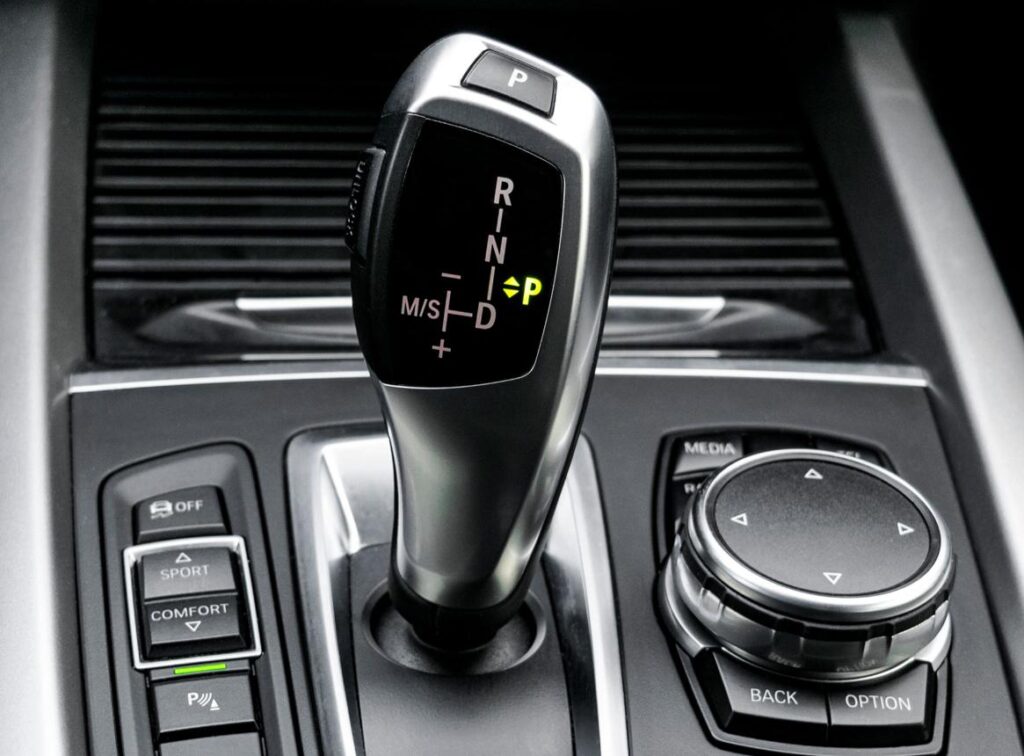
Encountering an “E” marking on an older gear selector offers a glimpse into a different era of driving. It serves as a reminder of a time when drivers were more directly involved in managing their vehicle’s efficiency.
Today’s vehicles achieve similar goals through automation, allowing drivers to focus more on the driving experience itself. The progress made over the years demonstrates how technology has improved both convenience and performance.
Understanding features like the “E” gear helps provide context for these advancements. It shows how the industry has moved from simple, manual solutions to complex, intelligent systems capable of optimizing performance in real time.
In the end, the “E” gear remains a symbol of an important idea that continues to shape modern vehicles: the pursuit of efficiency without sacrificing practicality. While the technology has evolved, the goal remains the same, reflecting a long-standing commitment to improving the driving experience for people around the world.

