

The concept that the human body operates through internal energy pathways has been a fundamental idea in traditional Chinese medicine for thousands of years. These pathways are commonly referred to as meridians, and they form the basis of a holistic system that seeks to explain how physical and emotional balance is maintained within the body.
In traditional theory, meridians are described as channels through which vital energy, often called “qi,” flows continuously. This energy is believed to support essential bodily functions, regulate internal systems, and contribute to overall well-being. Rather than focusing on isolated organs or symptoms, this framework views the body as an interconnected system where balance and harmony are key.
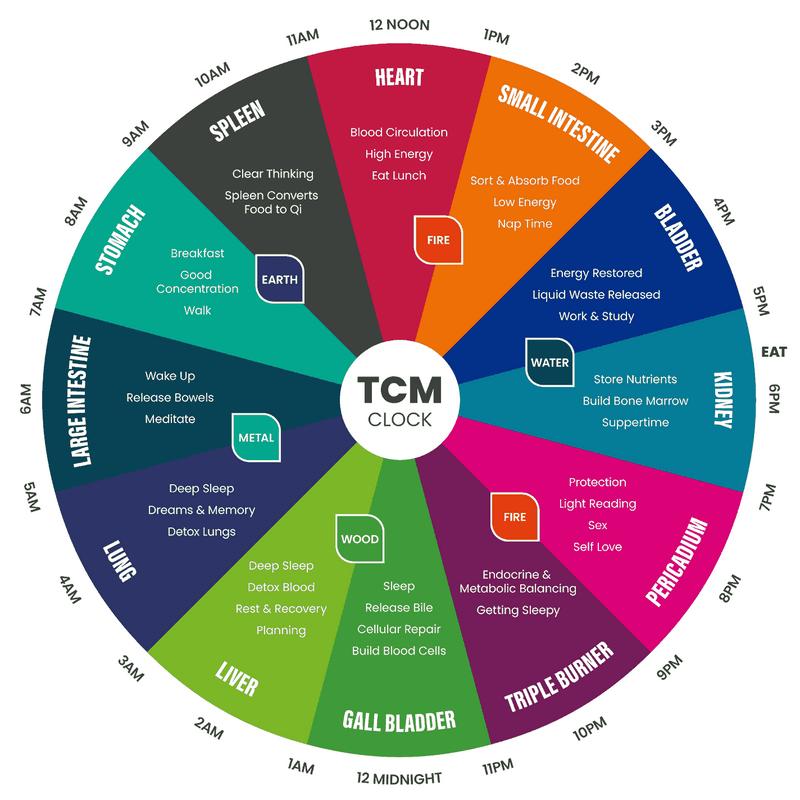
According to traditional Chinese medicine, there are twelve primary meridians, each associated with a specific organ system. These include pathways linked to organs such as the lungs, liver, heart, and stomach. In addition to these main channels, there are also secondary pathways that contribute to the circulation and balance of energy throughout the body.
A central concept connected to these meridians is the “organ clock,” a model that maps each meridian to a specific two-hour period within a 24-hour cycle. This system suggests that each organ reaches its peak level of activity during its assigned time window and then transitions into a period of rest or reduced function.
For example, the lung meridian is traditionally associated with the early morning hours, typically between 3:00 a.m. and 5:00 a.m. During this time, the system is believed to be most active in supporting respiratory function and energy distribution. Other organs, such as the liver, heart, and stomach, are each assigned their own time periods throughout the day and night.

This framework is often used to interpret patterns in sleep and energy levels. One commonly discussed observation is waking up at the same time each night. Within traditional interpretations, repeated waking during a specific time window may be seen as a sign of imbalance in the corresponding meridian.
For instance, waking between 1:00 a.m. and 3:00 a.m. is sometimes linked to the liver meridian. In traditional theory, this system is associated not only with physical detoxification processes but also with emotional regulation. Similarly, waking between 3:00 a.m. and 5:00 a.m. is often connected to the lung meridian, which is symbolically related to breathing and emotional release.
However, it is important to emphasize that these interpretations are based on traditional belief systems and are not considered diagnostic tools in modern medical practice. While they offer a cultural and historical perspective on health, they are not supported by scientific evidence as a method for identifying or diagnosing medical conditions.
In contemporary medicine, nighttime waking is typically explained through physiological and neurological factors. Sleep scientists study the body’s circadian rhythm, which is an internal biological clock that regulates sleep and wake cycles over a 24-hour period. This system is influenced by environmental cues such as light and darkness, as well as internal processes like hormone production.
Disruptions to the circadian rhythm can lead to irregular sleep patterns, including waking during the night. These disruptions may be caused by a variety of factors, including stress, inconsistent sleep schedules, exposure to artificial light before bedtime, or lifestyle habits such as caffeine consumption late in the day.
From a clinical perspective, repeated nighttime awakenings may also be associated with specific conditions such as insomnia, sleep apnea, anxiety, or hormonal changes. These factors are typically evaluated through evidence-based methods, allowing healthcare professionals to identify underlying causes and recommend appropriate treatments.
Another important aspect of sleep science is the structure of sleep cycles. During the night, the body moves through multiple stages of sleep, including light sleep, deep sleep, and rapid eye movement (REM) sleep. These cycles repeat approximately every 90 minutes.
Transitions between these stages can sometimes lead to brief awakenings. In many cases, individuals may not even remember these moments. However, if external factors such as noise, light, or stress are present, these natural transitions can result in full waking episodes.
From this perspective, waking at a specific time does not necessarily indicate a fixed or symbolic meaning. Instead, it reflects the interaction between biological rhythms and environmental influences. This understanding highlights the complexity of sleep and the many variables that can affect its quality.
Despite the differences between traditional and modern interpretations, some individuals choose to explore both perspectives as part of a broader approach to well-being. Rather than viewing them as opposing systems, they may consider traditional ideas as a way to reflect on lifestyle habits and emotional balance.
For example, someone who consistently wakes at the same time each night might use this observation as an opportunity to evaluate their daily routine. Factors such as stress levels, diet, hydration, and sleep environment can all play a role in sleep quality.
Even without relying on traditional meridian theory as a literal explanation, paying attention to sleep patterns can provide valuable insight. Keeping a sleep journal, for instance, can help track consistency, identify disruptions, and reveal connections between habits and rest.
Sleep specialists often recommend practical steps to improve sleep hygiene. These include maintaining a regular sleep schedule, limiting screen exposure before bedtime, creating a comfortable and quiet sleep environment, and managing stress through relaxation techniques.
Psychological factors also play a role in nighttime waking. The brain remains active during sleep, particularly during lighter stages, and may process thoughts, emotions, or stress accumulated during the day. This activity can make individuals more sensitive to disturbances or internal signals.
In traditional Chinese medicine, these experiences are interpreted differently. Each meridian is associated not only with physical organs but also with emotional qualities. For example, the lung meridian is sometimes linked symbolically with grief, while the liver meridian is associated with frustration or emotional tension.
These associations are used in holistic practices to guide reflection and support overall balance. Techniques such as acupuncture, herbal remedies, and breathing exercises are commonly used within this framework to promote harmony in the body.

Acupuncture, in particular, involves stimulating specific points along meridians with the goal of influencing energy flow. While it is widely practiced and has been the subject of scientific research, its mechanisms are still being studied, and interpretations vary between traditional and modern medical perspectives.
Modern healthcare systems generally focus on measurable, evidence-based outcomes when evaluating such practices. At the same time, there is growing interest in understanding how different approaches to health and well-being can complement one another.

Both traditional and modern perspectives emphasize the importance of maintaining balance in daily life. Quality sleep, stress management, and healthy routines are widely recognized as essential components of overall health.
By considering multiple viewpoints, individuals can develop a more comprehensive understanding of their own experiences. Whether viewed through traditional concepts or scientific analysis, sleep patterns can offer useful insights into physical and emotional well-being.
Ultimately, the goal remains consistent across both frameworks: achieving restful, uninterrupted sleep and maintaining a balanced, healthy lifestyle. Understanding the different ways in which these experiences are interpreted allows for a more informed and thoughtful approach to personal well-being.

