
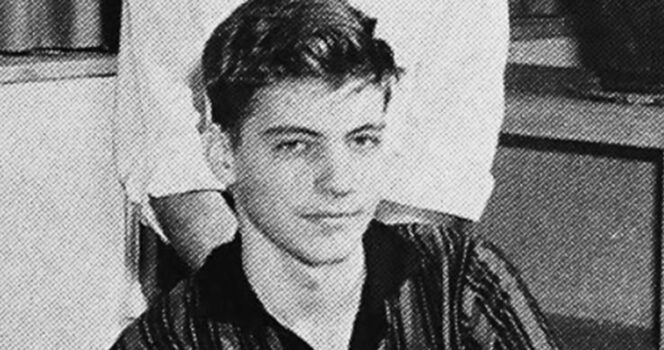
He was widely recognized for his intellectual ability, but rarely for personal warmth. Among peers, he carried a nickname that reflected how others perceived him: a “walking brain.”
From an early age, his academic path stood out. He played trombone in the school band, advanced quickly through grade levels, and entered Harvard University at the age of 16. To those around him, his upbringing appeared stable. His parents, members of a Polish-American working-class family in Chicago, were often described as deeply committed to providing opportunities for their children.
Born in 1942, he grew up in a household where his father worked in food production and his mother focused on raising the family. They were known in their community as responsible and engaged residents. He also had a younger brother, David, who would later play a decisive role in identifying him.
During his early school years, there were no clear signs of the trajectory his life would eventually take. Teachers described him as healthy and well-adjusted. However, a significant shift occurred during adolescence.
While in high school, his intelligence was formally assessed, with results placing his IQ at an exceptionally high level. This led to him skipping grades, accelerating his academic progress. According to later accounts, this transition marked a turning point. Before advancing, he had social connections and was considered relatively well-integrated among his peers. Afterward, he found himself among older students, where he struggled to fit in and became a target of bullying.
Despite participating in activities such as band and academic clubs, he remained socially isolated. Former classmates later recalled that he was often seen more as an intellect than as an individual personality. Over time, this perception contributed to his withdrawal from social interaction.

He graduated from high school at 15 and began his studies at Harvard. While academically successful, he was described by some peers as emotionally unprepared for the environment. During his time there, he also participated in a psychological study conducted by Henry Murray. The experiment involved intense and confrontational sessions designed to challenge participants’ beliefs, which some later described as highly stressful.
After completing his undergraduate degree in mathematics in 1962, he continued his academic journey at the University of Michigan, where he earned both a master’s degree and a PhD. His academic work was highly regarded, with faculty describing it as exceptional.
At the age of 25, he became the youngest assistant professor in the history of University of California Berkeley. At that stage, his future appeared firmly rooted in academia.
However, in 1969, he resigned abruptly without providing a clear explanation. Colleagues described the decision as unexpected. Following his resignation, he withdrew further from conventional society.
In the early 1970s, he relocated to a remote area near Lincoln, Montana, where he built a small cabin. Living without electricity or running water, he focused on self-sufficiency, reading extensively and minimizing contact with others. Initially, this lifestyle appeared to reflect a desire for isolation and independence.
Over time, however, his outlook evolved. Influenced in part by the ideas of Jacques Ellul, particularly the book The Technological Society, he developed a critical view of modern industrial systems. This perspective gradually shifted toward hostility.
Beginning in the mid-1970s, he engaged in acts of sabotage. These actions escalated into a prolonged series of attacks that lasted from 1978 to 1995. During this period, he carried out a bombing campaign across the United States, targeting individuals and institutions associated with technology and industry.
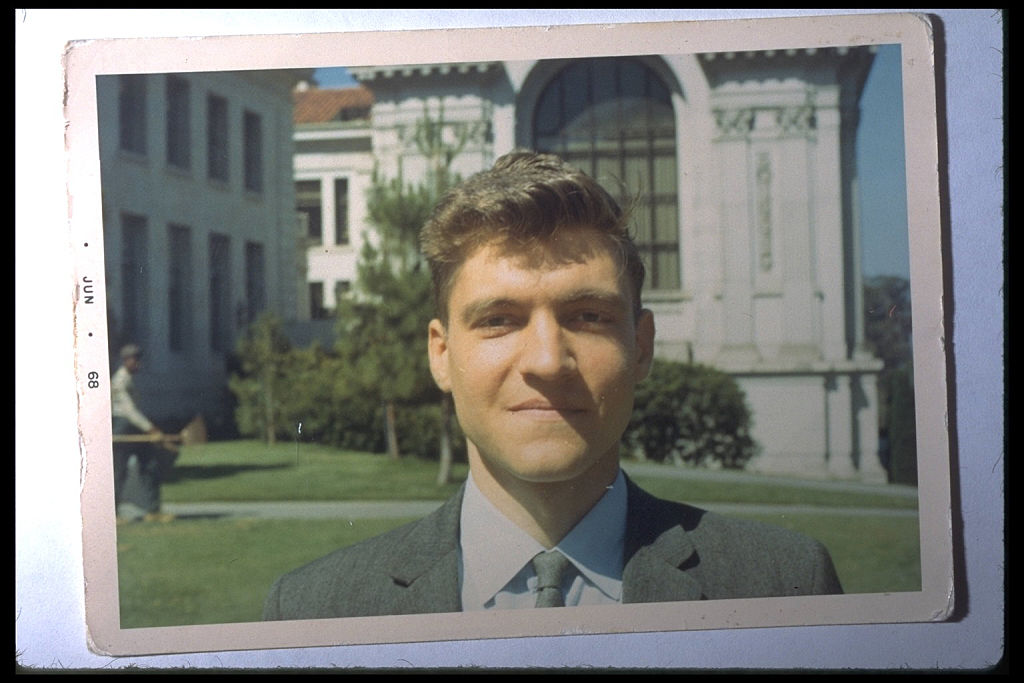
The consequences were severe. Multiple people were killed, and many others were injured, some with lasting effects. The incidents prompted a large-scale investigation by the Federal Bureau of Investigation, which spanned nearly two decades.
In 1995, he sent a manifesto titled Industrial Society and Its Future, demanding its publication. Authorities agreed, hoping it would lead to identification. The document was widely circulated.
His younger brother, David, recognized similarities between the writing style of the manifesto and personal letters he had received in the past. After consulting with legal guidance, he contacted investigators. Linguistic analysis supported the connection.
On April 3, 1996, authorities located and arrested Ted Kaczynski at his cabin in Montana. Evidence found at the site included materials related to the attacks and extensive written records documenting his actions.
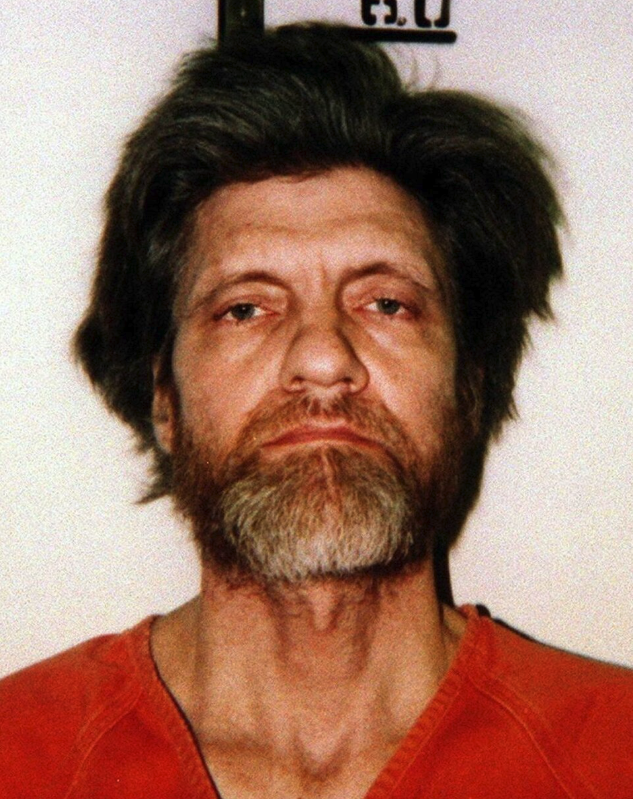
In 1998, he pleaded guilty and received a life sentence without the possibility of parole. He remained in custody for the rest of his life. In 2023, at the age of 81, he died while incarcerated after declining medical treatment.
His life has since been examined as a complex case involving exceptional intellectual ability, social isolation, and radicalization. The contrast between his early academic promise and later actions continues to be studied in discussions about psychology, environment, and the impact of isolation on human behavior.

